


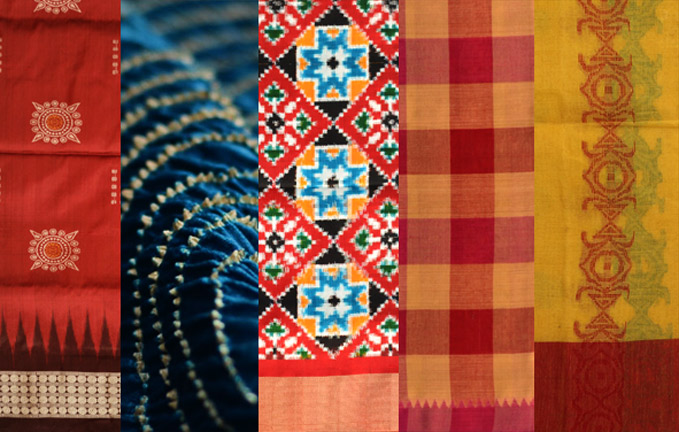
In 2025, Begumpuri weaving, a centuries-old craft from Begumpur, a small village in West Bengal’s Hooghly district, captivates India’s 547-million OTT audience and global fashion enthusiasts with its vibrant, lightweight cotton sarees. Rooted in the Chanditala II block, 30 km from Kolkata, this handloom tradition, once fading, thrives through government-led revival efforts. To preserve cultural heritage and empower 2,000 weavers. By blending traditional techniques with modern designs, Begumpuri sarees shine with bold colors and intricate borders, as celebrated on X with the #BegumpuriWeaves trend.
In this Article:
- A Craft Reborn
- The Human Touch
- Cultural and Economic Impact
- Future Outlook
A Craft Reborn
Begumpuri sarees, known for their loose weave, translucent texture, and contrasting borders in red, black, or purple, were traditionally simple Maathapaar (plain-bordered) pieces woven with coarse 40s–60s cotton yarn. Facing declining demand, the West Bengal Handloom Corporation and Weaver Service Centre intervened in the 2010s, training weavers in dyeing, drum warping, and dobby-Jacquard techniques. Today, sarees boast serrated Ganga Jamuna or Temple borders and geometric motifs, taking 1–5 days to weave on pit or frame looms. A single saree, using 40–100 count cotton, offers a balanced texture, perfect for India’s humid summers.
The Human Touch
For weavers like Shyamal Das, a 45-year-old from Begumpur, the craft is a lifeline. “My father wove Maathapaar sarees; now I create vibrant Nakshapaar designs for city buyers.” Despite the number of weavers dropping from 4,000 to 2,000 due to migration, the cluster’s revival, backed by Tantuja since 1954, has boosted incomes, with co-ops now paying lakhs in taxes. Women weavers, making up 30% of the workforce, find empowerment, but low wages and competition from power looms remain challenges.
Cultural and Economic Impact
Begumpuri weaving, part of Bengal’s famed textile heritage alongside Baluchari and Tangail, reflects resilience amid colonial disruptions that once favored British mill-made fabrics. Today, e-commerce platforms like iTokri and social media amplify its reach, with 60% of urban Gen Z favoring handlooms for sustainability, per a 2024 YouGov survey. The craft’s revival supports 32 lakh commuters in Hooghly’s weaving hubs, per Wikipedia. Yet, mechanization threatens authenticity, with only 50% of sarees bearing the Handloom Mark.
Future Outlook
As #BegumpuriWeaves trends on X, the craft’s future hinges on innovation and fair trade. Government schemes, like training in eco-friendly dyes, and platforms like GoSwadeshi ensure global visibility. Integrating augmented reality for virtual try-ons, as trialed by Tantuja, could attract younger buyers. For weavers like Shyamal, preserving Begumpuri’s soul—its vibrant stripes and airy drape—means balancing tradition with modernity, ensuring this cultural gem endures for generations.
-By Manoj H