


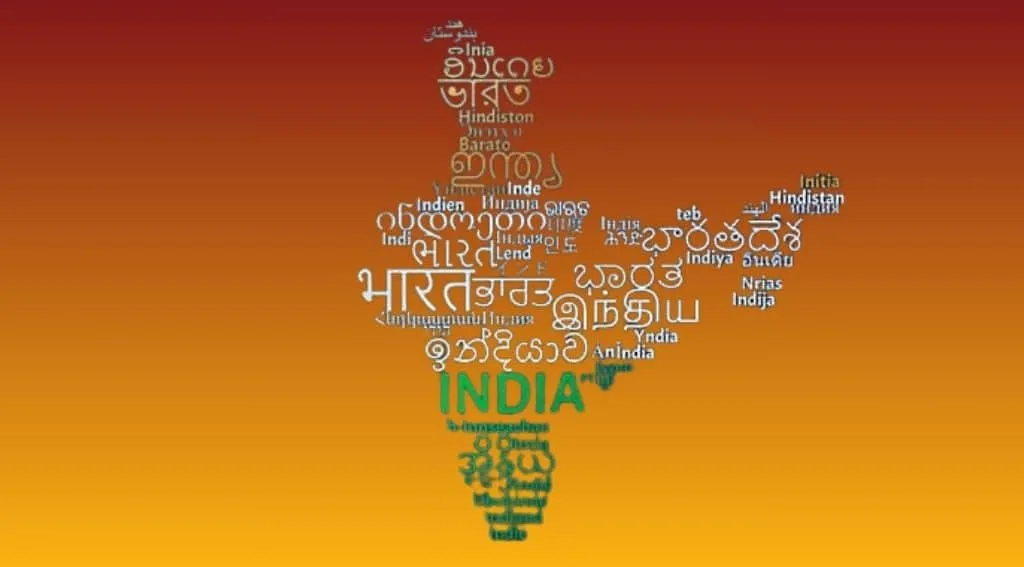
India stands as a global anomaly in its linguistic diversity, a testament to its profound historical and cultural tapestry. Far from being a monolithic entity, the nation is home to an astonishing array of languages, dialects, and linguistic nuances. While the Constitution officially recognizes 22 languages, estimates suggest a staggering 780 to over 1,600 different languages and mother tongues are spoken across the subcontinent, reflecting millennia of cultural evolution, invasions, and exchanges.
In This Article:
Unlike many nations, India does not have a single national language; Hindi is designated as the official language of the Union, with English as an associate official language, a constitutional choice that acknowledges and attempts to navigate this immense diversity. The distinction between the 22 officially recognized languages and the hundreds of spoken languages is crucial. This constitutional flexibility, while intended to manage diversity, also inherently creates a space for ongoing political debates and tensions, particularly regarding the perceived imposition of Hindi. This legal and practical distinction sets the stage for the ongoing challenges of multilingualism.
The Blessing: Multifaceted Advantages of Multilingualism
Multilingualism in India is a profound asset, offering a myriad of advantages that span cognitive, cultural, and economic domains. These benefits not only enrich individuals but also bolster the nation’s global standing and internal cohesion.
Cognitive Enrichment
This constant mental exercise required in switching between languages contributes to brain development and cognitive growth. Beyond immediate academic or professional benefits, research even suggests that multilingualism can delay the onset of neurodegenerative diseases such as Alzheimer’s and dementia by several years. These consistent findings regarding improved cognitive functions point to a robust and well-documented benefit, elevating multilingualism from a mere skill to a significant factor in human well-being.
Cultural Preservation & Identity
In India, language is intrinsically linked to identity, heritage, and a deep sense of belonging. Regional languages are not merely communication tools; they are “vessels of emotions, knowledge, and tradition,” permeating every aspect of daily life, from lullabies to eloquent speeches. They form the “soul of its diverse artistic expressions,” breathing life into literature, music, dance, and theater that have endured for centuries. This strong link implies that valuing and preserving linguistic diversity is crucial for maintaining cultural richness and individual and group identity.
Economic & Global Opportunities
In an increasingly globalized world, multilingualism is a highly valued skill, significantly enhancing career prospects across diverse industries such as corporate, media, tourism, technology, government, and finance. Studies indicate a substantial “wage premium” for bilingual individuals; for instance, men fluent in English can earn on average 34% higher hourly wages compared to those who do not speak English.
The Struggle: Navigating Complex Hurdles
Despite its numerous advantages, being multilingual in India presents significant systemic and practical challenges that often impede its full potential, turning it into a struggle for many.
Educational Disparities & Medium of Instruction
A critical struggle lies within the education system. Empirical data reveal that students not educated in their mother tongue are 20-30% more likely to drop out of school, severely impeding academic achievement and socio-economic mobility. This is not merely about learning a language; it directly impacts comprehension of all subjects and ultimately, access to education itself. Hindi and English often dominate the medium of instruction, creating a significant access gap for the vast majority of students whose home languages or regional dialects are not officially recognized or supported in schools.
Policy & Political Tensions
India’s language policies, particularly the “Three-Language Formula” (regional language, Hindi, and English), are a constant source of political contention and uneven implementation. While intended to promote multilingualism and national cohesion, the policy is often viewed by non-Hindi-speaking states, such as Tamil Nadu and Maharashtra, as a veiled attempt to impose Hindi. These states vehemently resist, asserting their constitutional rights to regional linguistic autonomy. This political manipulation of language has historically fueled regionalism, deepened divides, and even contributed to separatist tendencies, posing a direct threat to national unity.
Socio-Economic Divides & Access Barriers
The legacy of colonialism has entrenched English as a “high-status language” and a “language of elite class” in India. While English proficiency offers significant economic returns, such as higher wages, it simultaneously creates a stark socio-economic divide. With only approximately 10% of the population speaking fluent English, the dominance of English in higher education, government, business, and legal proceedings creates a “linguistic chasm”. This alienates a vast majority, severely compromising access to justice, legal literacy, and opportunities for upward mobility.
Towards a Harmonious Multilingual Future
Being multilingual in India is undeniably a complex duality, a “lived reality” deeply woven into the nation’s cultural fabric. While it offers profound cognitive advantages, enriches cultural identity, and presents significant economic opportunities on a global scale, its full potential is often constrained by persistent systemic struggles. These include deep-seated educational disparities stemming from medium-of-instruction challenges, ongoing political tensions over language policy and perceived imposition, and socio-economic divides exacerbated by the unequal value placed on English proficiency.
Moving forward, India must prioritize strategic reforms: investing heavily in comprehensive teacher training for multilingual classrooms, developing adequate learning materials in diverse languages, leveraging technology for linguistic support, and fostering genuine community engagement. A flexible, adaptive language policy that respects regional identities while ensuring equitable access to opportunities, including English proficiency, is paramount. This requires a top-down yet inclusive approach, where leadership from academic institutions, media, educationists, and policy advocates work in synergy. Only by addressing these systemic challenges can India truly transform its linguistic diversity from a source of struggle into its greatest strength, fostering national cohesion and equitable development for all.
By – Sonali