


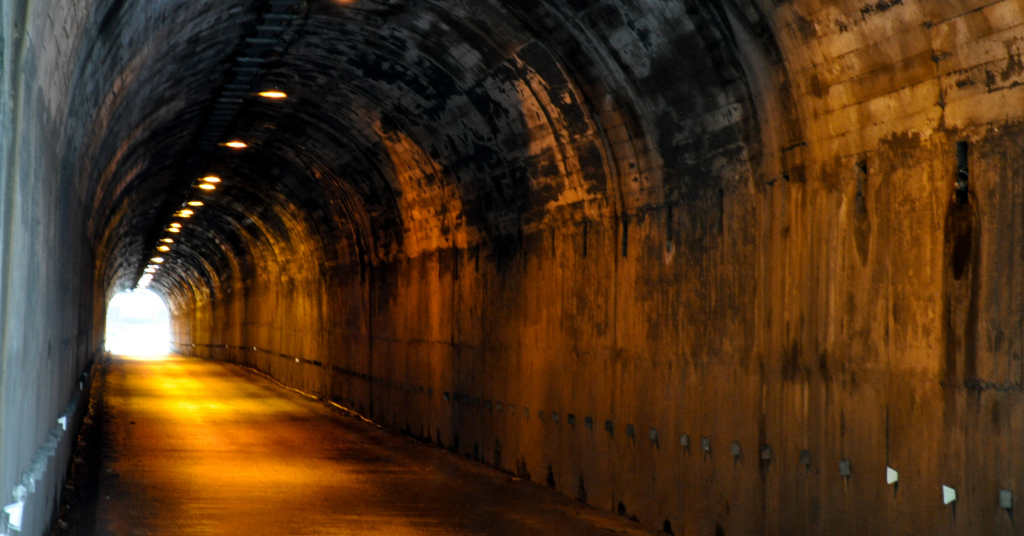
Hidden beneath India’s bustling cities lie forgotten tunnels that once served royals, revolutionaries, and mystics. These secret passages offer fascinating insights into the country’s historical, political, and architectural legacy.
In This Article:
The Purpose Behind the Passageways
Many of these ancient tunnels were designed for:
- Strategic military escapes
- Transporting royals between forts and palaces
- Hiding treasures or prisoners
- Secret diplomatic or political movements
Despite the passage of centuries, some of these tunnels remain unexplored or are only partially excavated.
Famous Cities With Secret Tunnels
1. Delhi – From Red Fort to Yamuna and Beyond
Delhi’s Red Fort is said to have tunnels connecting it to the Yamuna River and other Mughal structures. One particular tunnel, discovered in the Delhi Legislative Assembly, reportedly connected the building to the Red Fort—possibly used by the British to transport prisoners secretly during colonial times.
2. Kolkata – The Tunnels of Fort William
Fort William in Kolkata has an underground network believed to have been used by the British to move prisoners and personnel without public attention. Some reports suggest it connects to nearby barracks or even the Hooghly River.
3. Hyderabad – Golconda Fort’s Underground Pathways
The majestic Golconda Fort holds underground passages believed to link it with the Qutb Shahi Tombs and the Charminar. These tunnels likely served as royal escape routes or emergency transit lines during attacks.
4. Jaipur – Amer Fort’s Secret Exit
The Amer Fort has a confirmed secret tunnel that connects it to Jaigarh Fort, nearly 2 kilometers long. This passage was built for emergency royal escape during wars and invasions, and is now open to tourists.
5. Agra – Mughal-Era Escape Routes
Rumors abound of secret passages running beneath the Taj Mahal, linking it with Agra Fort or even the Yamuna River. While not entirely excavated, these tunnels were likely used for covert royal movement.
Other Notable Mentions
- Lucknow: Tunnels in Bara Imambara, including a “bhool bhulaiya” maze with trap doors and hidden exits.
- Gwalior Fort: Pathways said to lead to hidden chambers within the fort complex.
- Thanjavur: Tunnels beneath the Brihadeeswarar Temple, used for rituals or escape during invasions.
Myths, Facts, and Archaeology
While many tunnel stories are rooted in oral history or local lore, archaeological studies and historical documentation have confirmed the existence of several. Some tunnels remain inaccessible due to structural instability or political sensitivity.
Final Thoughts
India’s underground tunnels reflect a forgotten layer of history—one marked by power, secrecy, and survival. As technology and conservation efforts evolve, more of these mysterious passages may soon come to light, bridging the gap between myth and historical reality.
By – Nikita