


Fermentation is not just a culinary technique; in many cultures, it is a time-honored tradition, an act of preservation, and a method of enhancing flavor. Among the Bodo community of Assam, Bodo Napham is a classic example of this tradition—a fermented fish delicacy deeply embedded in their heritage, cuisine, and identity. With its bold flavors and unmistakable aroma, Bodo Napham tells a story of indigenous knowledge, resilience, and culinary brilliance.
In This Article:
What is Bodo Napham?
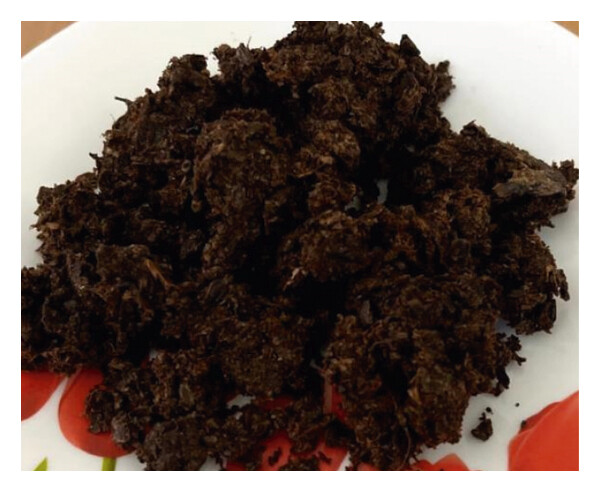
Bodo Napham is a traditional fermented fish preparation made by the Bodo tribe, one of the largest ethnic groups in Assam. The term “Napham” roughly translates to “fermented fish,” and the dish is usually made using small freshwater fish that are sun-dried, salted, and fermented in sealed containers. The fermentation process can last anywhere from a few weeks to several months, depending on the desired pungency and texture.
Once ready, the fermented fish is used as a key ingredient in several Bodo dishes. It is often cooked with rice flour, bamboo shoots, leafy greens, or vegetables to balance its intense flavor. The resulting dishes are rich, complex, and uniquely satisfying.
Traditional Process of Making Napham
The process of making Bodo Napham is an art in itself. Small fish—often varieties like puthi or mola—are first cleaned and dried in the sun. These are then mixed with salt and sometimes local herbs for added depth. The fish is tightly packed into bamboo tubes or earthen pots and sealed with banana leaves, mud, or even cow dung to create an anaerobic environment for fermentation. These containers are stored in warm, dark spaces to promote the natural breakdown of proteins, creating the distinctive umami-rich flavor of fermented fish.
This technique, passed down through generations, is not just a culinary choice but also a method of food preservation—critical in times when refrigeration was not available.
Nutritional and Cultural Importance
While the pungent aroma of Bodo Napham may seem overpowering to the uninitiated, it is packed with nutritional benefits. The fermentation process enhances the protein bioavailability, creates probiotics beneficial for gut health, and improves the shelf life of the fish. For the Bodo people, Napham is more than food—it is a cultural emblem, a dish that binds families and marks festivities.
Bodo Napham is often prepared during traditional festivals like Kherai and Bwisagu, adding authenticity and tradition to community feasts. It carries the essence of a self-reliant, agrarian lifestyle that reveres nature and sustainability.
Napham in Modern Kitchens
Today, as food enthusiasts grow increasingly curious about indigenous and fermented foods, Bodo Napham is slowly finding recognition beyond its native communities. Food researchers, chefs, and cultural documentarians are beginning to explore its unique qualities. However, despite its potential, Napham remains largely absent from mainstream markets.
There are efforts by local entrepreneurs and NGOs to package and market Napham while retaining its authenticity. With proper hygiene, branding, and awareness, this traditional ingredient could find a place in gourmet menus and global food festivals.
How to Cook with Bodo Napham
One of the popular ways to enjoy Napham is to prepare a simple curry with mustard oil, garlic, onions, and seasonal vegetables. The fermented fish is either pounded or cooked whole, depending on the texture desired. It can also be steamed with herbs or used as a chutney base.
Pairing Napham with neutral foods like rice or boiled yam helps balance its robust flavor. For the adventurous foodie, it opens up a new spectrum of taste—intensely savory, earthy, and deeply satisfying.
Preserving Indigenous Culinary Knowledge
The slow disappearance of traditional practices like Napham-making is a concern as younger generations move to urban areas. Preserving and promoting dishes like Bodo Napham is essential not just for culinary diversity but also for sustaining indigenous knowledge systems. Documenting recipes, encouraging local production, and introducing this dish through culinary tourism are viable ways forward.
The journey of Bodo Napham from village kitchens to gourmet conversations showcases the rich culinary landscape of Assam and the wisdom of its people. In an age where global food systems are becoming increasingly homogenized, Bodo Napham reminds us of the value of local, seasonal, and deeply rooted traditions.
By – Jyothi