


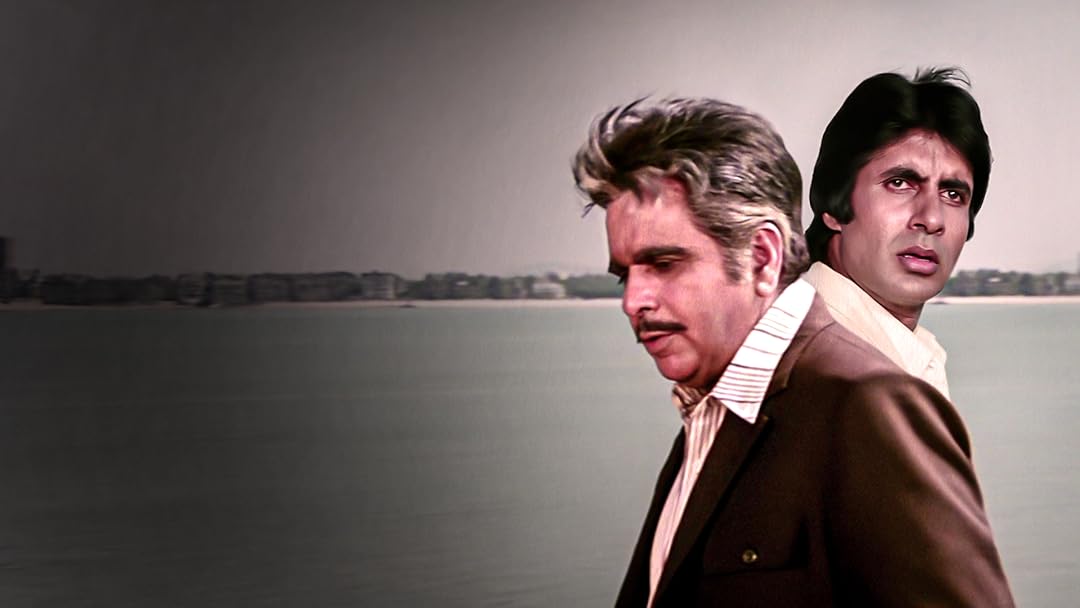
In the ever-evolving narrative of Indian cinema, few figures loom as large as the legends of Bollywood’s Golden Era and beyond. These actors not only captivated audiences with their talent but also defined the aesthetics, themes, and star culture that continue to influence the industry today. From the emotional realism and tragic depth introduced by one generation to the mass fandom mania and cinematic charisma of another, their legacies have left an indelible imprint on cinematic storytelling and Indian popular culture.
In This Article:
- Dilip Kumar
- Raj Kapoor
- Dev Anand
- Rajesh Khanna
- Dharmendra
- Amitabh Bachchan
- Industry Impact & Legacy
- In Retrospect
As Bollywood transitioned from black-and-white studio melodramas to color-soaked masala spectacles, six personalities stood at the crossroads of innovation and impact. Together, they embodied shifting sensibilities, from socially conscious narratives and poetic filmmaking to the rise of stardom as a mass phenomenon. Their collective body of work shaped not only the cinematic language but also the business of Bollywood, leading to box-office revolutions and global influence.
This article mentions six such monumental figures whose on-screen presence and off-screen influence helped redefine Bollywood from the 1940s through the 1980s, setting a standard for generations to follow.
Dilip Kumar – The Tragedy King Turns Box-Office Giant
Dilip Kumar is widely credited with pioneering naturalistic acting in Hindi cinema. From Devdas to Mughal-e-Azam and Gunga Jumna, his brooding, emotionally rich portrayals earned him the title “Tragedy King.” During his peak from the late 1940s to early 1960s, nearly every film he headlined was a blockbuster, solidifying his status as India’s foremost superstar. His approach set the standard for internalized, subtle heroism, influencing generations of performers.
Raj Kapoor – The Showman and Social Visionary
Raj Kapoor, hailed as “The Showman,” transformed Bollywood with films like Awaara, Shree 420, and Mera Naam Joker, combining melodrama, melody, and socially conscious storytelling. Founding RK Films, he pioneered the blending of entertainment with social commentary, creating cinematic classics that resonated across India and abroad. Kapoor’s portrayal of the innocent common man in an unjust society became archetypal.
Dev Anand – Bollywood’s Original Fashion Icon
Dev Anand brought effortless charm, romanticism, and style to the screen. Often compared to Hollywood icons, he starred in Guide, Jewel Thief, Johny Mera Naam, and many more. His signature puffed hair, mufflers, and urbane confidence made him the stylish prototype for heroes of the 1950s and 1960s. A founder of Navketan Films, Anand was instrumental in launching several leading lady careers and remained active both on and off screen for decades.
Rajesh Khanna – The Superstar Who Redefined Fandom
Rajesh Khanna was Bollywood’s first “Superstar,” achieving an unprecedented spree of solo hits between 1969 and 1971. He dominated the industry, becoming a cultural phenomenon with a fan fervour unseen before; female fans famously sent letters written in their own blood in devotion. With his charismatic screen presence, romantic intensity, and musical soul, Khanna elevated the concept of mass stardom in Hindi cinema.
Dharmendra – The He-Man with Mass Appeal
Dharmendra emerged in the late 1960s as Bollywood’s “He-Man” and one of its most bankable stars. From Satyakam to Sholay, his rugged charisma and screen energy struck a chord with millions. He set records—including delivering seven consecutive hit films in a single year—and earned praise from peers such as Dilip Kumar, who famously lamented not being as handsome. His style and sustained popularity made him an enduring legend.
Amitabh Bachchan – The Angry Young Man Who Became the Living Legend
While not covered above in as much depth, there is no overlooking Amitabh Bachchan. Rising in the 1970s as Bollywood’s “Angry Young Man,” he revolutionized macho masculinity with Zanjeer, Deewar, and Sholay. Across a career of over five decades, his deep baritone voice, towering presence, and ability to evolve from action hero to character actor and national icon have made him Bollywood’s enduring supreme legend.
Industry Impact & Legacy
These six actors together represent the transformational phases of Bollywood, from the golden era of naturalistic and musical cinema through the rise of stylized romance and on-screen charisma to socially charged narratives and franchise dominance.
- Acting craft: Dilip Kumar’s understated realism and Raj Kapoor’s poetic earnestness created new templates.
- Star power: Rajesh Khanna introduced mass hysteria fandom; Dharmendra brought macho aesthetics to the forefront.
- Cultural influence: Dev Anand’s sartorial style and Amitabh’s persona shaped fashion and cinematic attitude.
Many of their films remain part of Indian popular consciousness; their influence echoes in today’s Bollywood storytelling, fashion, and star culture.
In Retrospect
From tragedy-laden performances to grand musical spectacles, these legends drove the evolution of Bollywood’s star system. Their on- and off-screen legacies, emotional depth, narrative ambition, style, and sheer mass appeal helped transform Hindi cinema from studio-bound entertainment to a global cultural force. Today’s actors still draw inspiration from their craft, reinforcing that true legend is built not just by box office, but by an enduring connection with audiences.
By -Sonali