


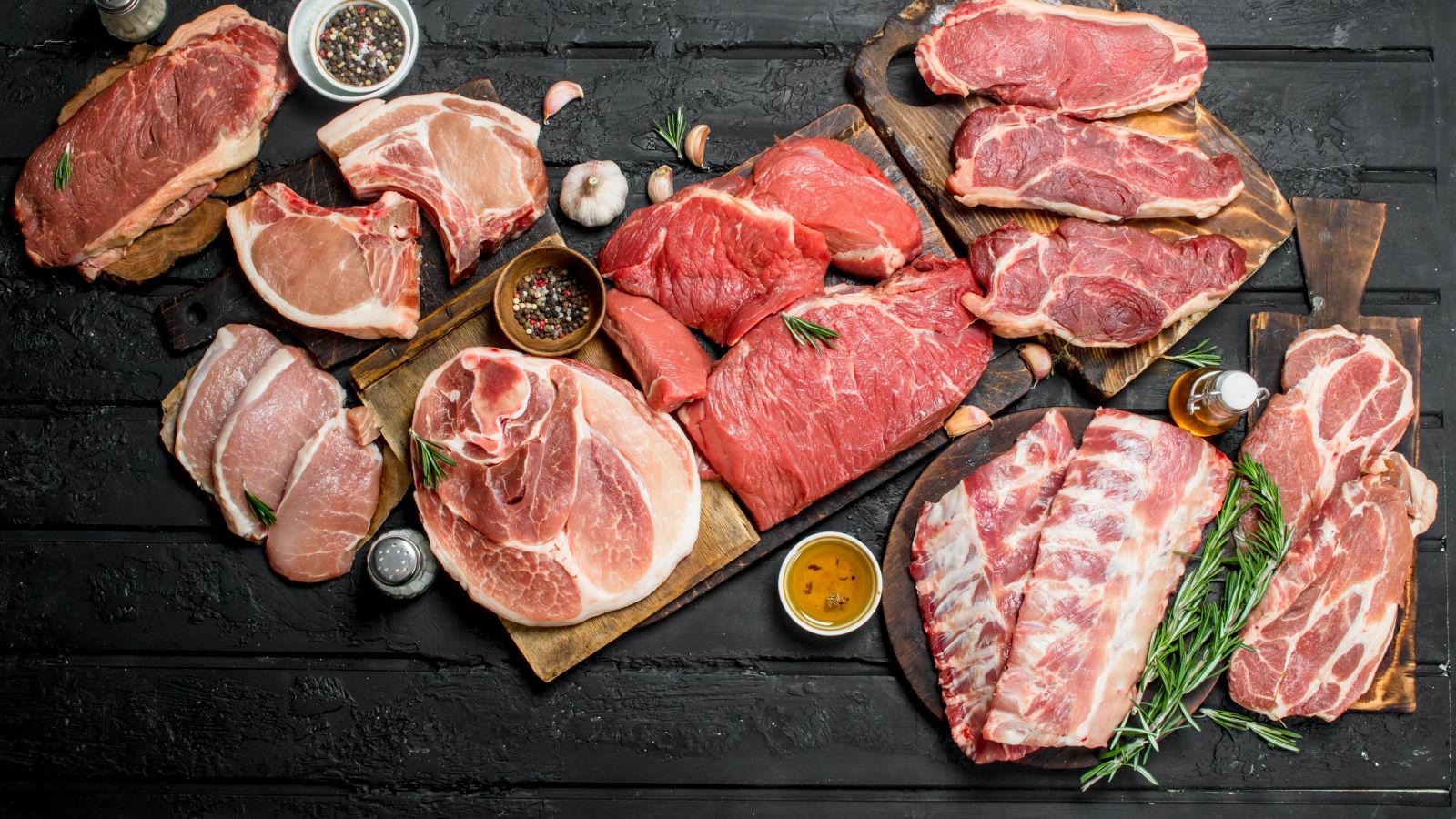
The carnivore diet—a nutritional plan that centres entirely on animal products—is the latest viral trend sweeping social media worldwide. Advocates on Instagram and TikTok tout dramatic weight loss and higher energy, but nutrition experts caution it’s far from a one-size-fits-all solution, especially in India.
What Is the Carnivore Diet?
Unlike balanced diets that include fruits, vegetables, grains and pulses, the carnivore diet restricts eating to animal-based foods only—meat, fish, eggs and some dairy (such as cheese and butter). Plant foods are excluded entirely.
Supporters argue the approach mirrors ancestral eating patterns. In the short term, a high-protein, high-fat, very low-carbohydrate intake can reduce appetite and cause quick weight changes—often driven by lower overall calories and water loss when carbohydrates drop. But experts stress that long-term clinical evidence on strict carnivore diets remains limited.
Short-Term Gains, Long-Term Concerns
Clinical nutritionists note that cutting refined carbohydrates and ultra-processed foods may ease bloating and cravings—but those benefits are not unique to a meat-only diet and can often be achieved with a balanced eating pattern.
More importantly, a strict carnivore regime may raise several health concerns:
- Fibre gap and gut issues: With no plant foods, fibre intake is typically far below recommended levels, increasing the likelihood of constipation and affecting gut health.
- Micronutrient shortfalls: Plant foods supply key vitamins, minerals and protective compounds; carnivore-style menus can fall short on nutrients such as vitamin C, folate, magnesium and potassium depending on food choices.
- Cholesterol and heart-risk markers: Heavy reliance on red meat, processed meats and high saturated-fat foods can raise LDL (“bad”) cholesterol—an established cardiovascular risk factor.
- Red/processed meat risk signals: Independent cancer-risk evaluations have classified processed meat as carcinogenic and red meat as probably carcinogenic, with the strongest evidence linked to colorectal cancer risk—relevant if the diet skews toward these foods.
- Kidney considerations (especially if you already have CKD): People with chronic kidney disease are commonly advised to limit protein and personalise intake with a clinician/dietitian; high-protein patterns may also increase kidney-stone risk in some individuals.
Cultural, Social and Economic Barriers in India
While some in Western countries experiment with carnivore diets as short-term elimination strategies, Indian nutritionists highlight added cultural and practical barriers.
India’s food culture is deeply rooted in balanced, plant-forward meals built around grains, pulses, vegetables, dairy and spices—and communal eating is central to social and religious life. In many communities, vegetarianism is a norm or preference.
Affordability is another constraint. Regular consumption of high-quality meat, fish and dairy can be expensive, making strict adherence financially unrealistic for many households.
Health authorities, including India’s nutrition guidance, emphasise a “balanced plate” built on variety across food groups—an approach linked to long-term health and disease prevention.
Who Should Consider the Diet—If at All?
Most experts agree that if someone attempts a strict carnivore diet, it should be temporary, carefully monitored, and undertaken only under professional medical supervision. Individuals with pre-existing conditions—particularly heart disease, kidney disease, gout tendencies, or complex metabolic issues—should be especially cautious and seek personalised advice.
As interest continues to grow globally, nutritionists encourage Indians to prioritise dietary patterns that are culturally appropriate, nutritionally complete and sustainable over the long run.
By – Sonali