


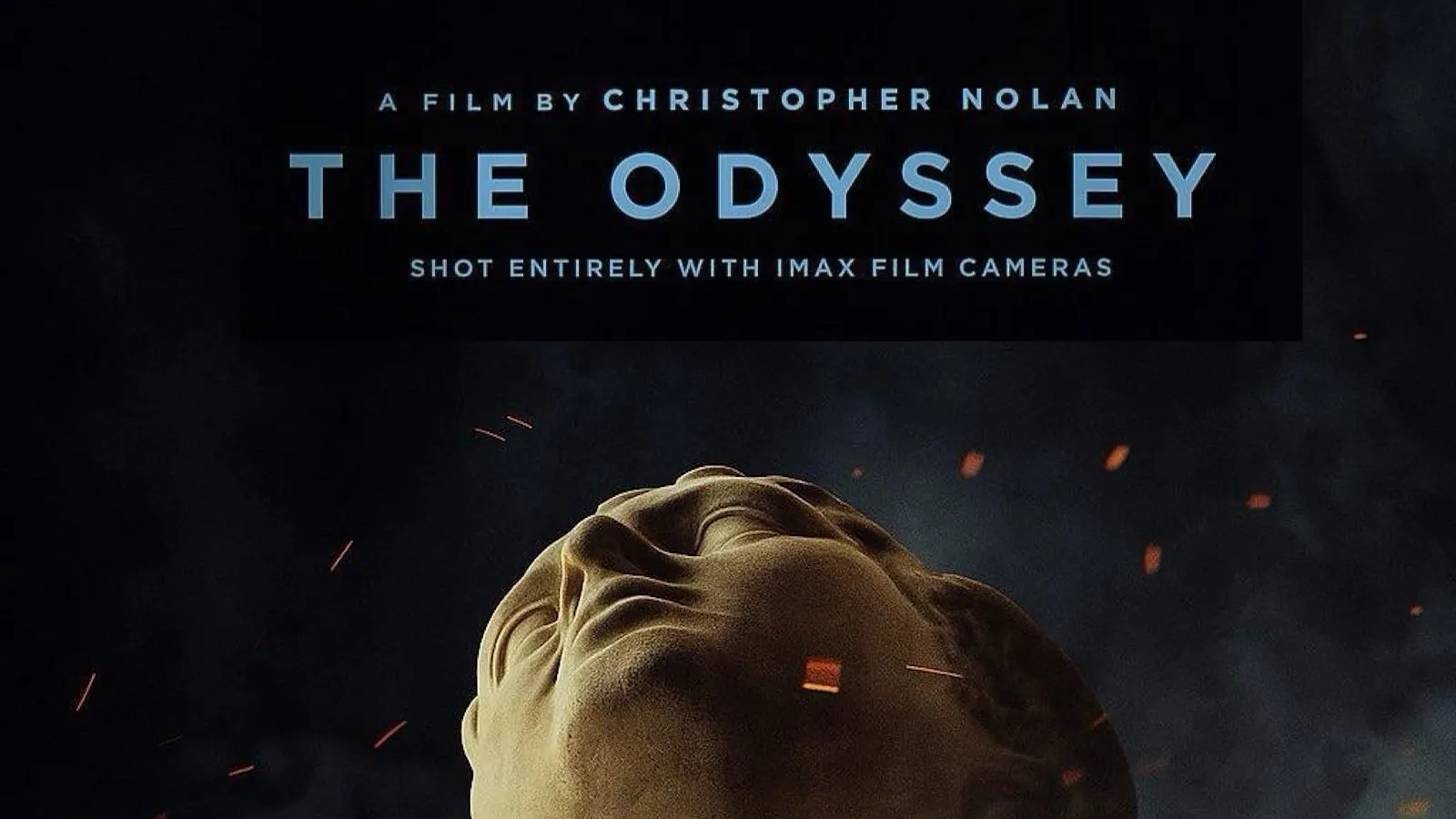
Hollywood’s visionary director Christopher Nolan is under fire — not for plot twists, but for filming his latest project, The Odyssey, in one of the most politically sensitive territories in the world: Western Sahara.
In This Article:
- The Controversy Unfolds
- Hollywood’s Deafening Silence — Where’s Accountability?
- Whitewashing Occupation? Or Ignorance?
- Morocco’s View — “This is Progress”
- The Bigger Picture — Can Art Be Apolitical Anymore?
The Controversy Unfolds
Christopher Nolan, revered for pushing cinematic boundaries, is now accused of overstepping ethical ones. His decision to shoot scenes in Dakhla — a city in Western Sahara, 70% of which is occupied by Morocco — has drawn widespread criticism from human rights groups, activists, and the Sahrawi people.
- Western Sahara is classified as a “non-self-governing territory” by the United Nations.
- Dakhla, where Nolan filmed, is heavily militarized and accused of systemic repression against its Indigenous Sahrawi population.
- The FiSahara Film Festival denounced the filming, calling it “an act of cultural normalisation with a colonial occupation.”
Hollywood’s Deafening Silence — Where’s Accountability?
A fierce statement from FiSahara tore through social media, urging Nolan to halt production immediately and condemning the use of an occupied zone as cinematic backdrop:
“Dakhla is not just a beautiful place with cinematic sand dunes. It is an occupied and militarised city whose Indigenous Sahrawi population is subjected to brutal repression.”
Prominent voices joined in. Oscar-winner Javier Bardem, a longtime supporter of the Sahrawi cause, reposted the protest statement on Instagram with a biting caption:
“Another illegal occupation, another repression… plundered with the approval of Western governments.”
Whitewashing Occupation? Or Ignorance?
This isn’t just about a movie shoot. Critics argue that by choosing Dakhla, Nolan may have unwittingly legitimized Morocco’s decades-long illegal control over the region. The Polisario Front, a Sahrawi nationalist group, called it “a dangerous form of cultural normalisation.”
Even Reporters Without Borders previously described Western Sahara as a “journalistic desert”, making the filming even more ethically fraught.
But Nolan’s team? Radio silence.
No official response. No acknowledgment of the brewing storm. Just the echoes of rolling cameras in a politically silenced land.
Morocco’s View — “This is Progress”
On the other side, Moroccan authorities are celebrating. Reda Benjelloun of the Moroccan Cinematographic Center called the production “historic” for the region:
“Dakhla will offer extraordinary opportunities in the future to foreign productions.”
Translation? Propaganda goldmine. And Nolan just handed them the reel.
The Bigger Picture — Can Art Be Apolitical Anymore?
As The Odyssey, starring Matt Damon, Tom Holland, Zendaya, and Anne Hathaway, continues filming across Greece, Italy, and Morocco, questions pile up:
- Should filmmakers be held accountable for where they shoot?
- Can blockbusters be built on the backs of oppressed people?
- And most provocatively — Is Nolan now complicit in whitewashing colonial occupation?
With a release date set for July 17, 2026, Nolan’s The Odyssey may reach theatres, but it has already collided headfirst with geopolitics. And this time, no plot twist can undo the reality of repression.
By – Nikita