


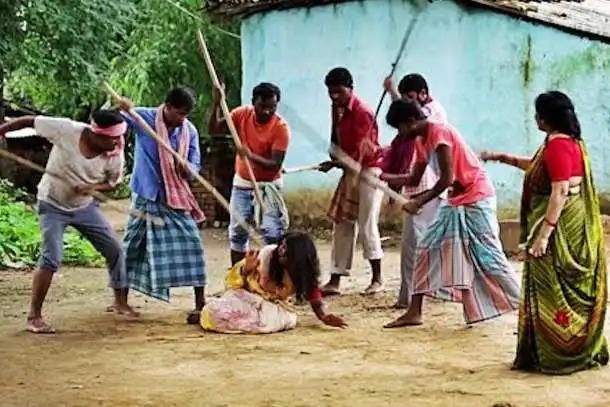
In the sunlit villages of Gujarat, amid fields and traditions, there persists a chilling word whispered with suspicion: Dakan — meaning witch. While the world moves forward, for many in rural Gujarat, accusations of witchcraft remain a dangerous reality, especially for widowed, elderly, or single women.
In This Article:
This practice is not just a superstition — it’s a social stigma that has led to violence, displacement, and in extreme cases, death.
Who Is Labeled a Dakan?
Dakan is a derogatory term used in parts of Gujarat (particularly in districts like Banaskantha, Dahod, Panchmahal, Chhota Udepur, and parts of Saurashtra) to accuse women of practicing witchcraft. This label is often thrown without evidence and is deeply rooted in patriarchy, illiteracy, and superstition.
Common Triggers Behind Accusations:
- Sudden illness or unexplained death in the village
- Crop failures or livestock disease
- Jealousy over land, property, or personal vendettas
- A woman being unmarried, widowed, or outspoken
Social Consequences of a Dakan Accusation
Being called a Dakan can destroy a woman’s life overnight. The consequences often include:
- Public shaming and physical assault
- Forced exile from the community
- Property grabs or land encroachment
- Loss of dignity and mental trauma
- Murder or mob lynching in extreme cases
In many cases, local Tantriks (black magic practitioners) are consulted, and their accusations are used to validate community action — even if it’s illegal and violent.
Is It Still Happening Today?
Unfortunately, yes. Even with increasing education, the practice continues in remote tribal belts. Reports indicate that over 500 women in Gujarat have been branded Dakan in the last decade. The situation is worse in areas where law enforcement is weak or where caste politics protect perpetrators.
However, activists and NGOs like Mahila Suraksha Samiti and Jan Sangharsh Manch have been fighting back — by spreading awareness, offering legal aid, and pressuring the state government for strict anti-witch-hunting legislation.
The Legal and Cultural Response
While India has no national law specifically criminalizing witch-hunting, Gujarat has invoked sections of the Indian Penal Code (IPC) — such as Section 323 (voluntarily causing hurt) and Section 504 (intentional insult with intent to provoke breach of peace) — to prosecute attackers.
However, activists argue that without dedicated laws like those in Jharkhand or Assam, Gujarat’s battle against witch-branding remains incomplete.
Changing the Narrative
To stop the Dakan practice, Gujarat needs more than legal reform. Grassroots education, community awareness, and the empowerment of women are key. Recognizing that superstition often thrives where healthcare and education fail is the first step in eradicating this cruel tradition.
Moving Ahead
Dakan is more than a superstition — it is a tool of gender-based violence masked as culture. For Gujarat’s women, shedding this label is not just about justice, but about reclaiming their right to live without fear. Until every woman in the remotest village feels safe from baseless blame, the fight against witch-hunting must continue — louder and stronger.
By – Nikita