


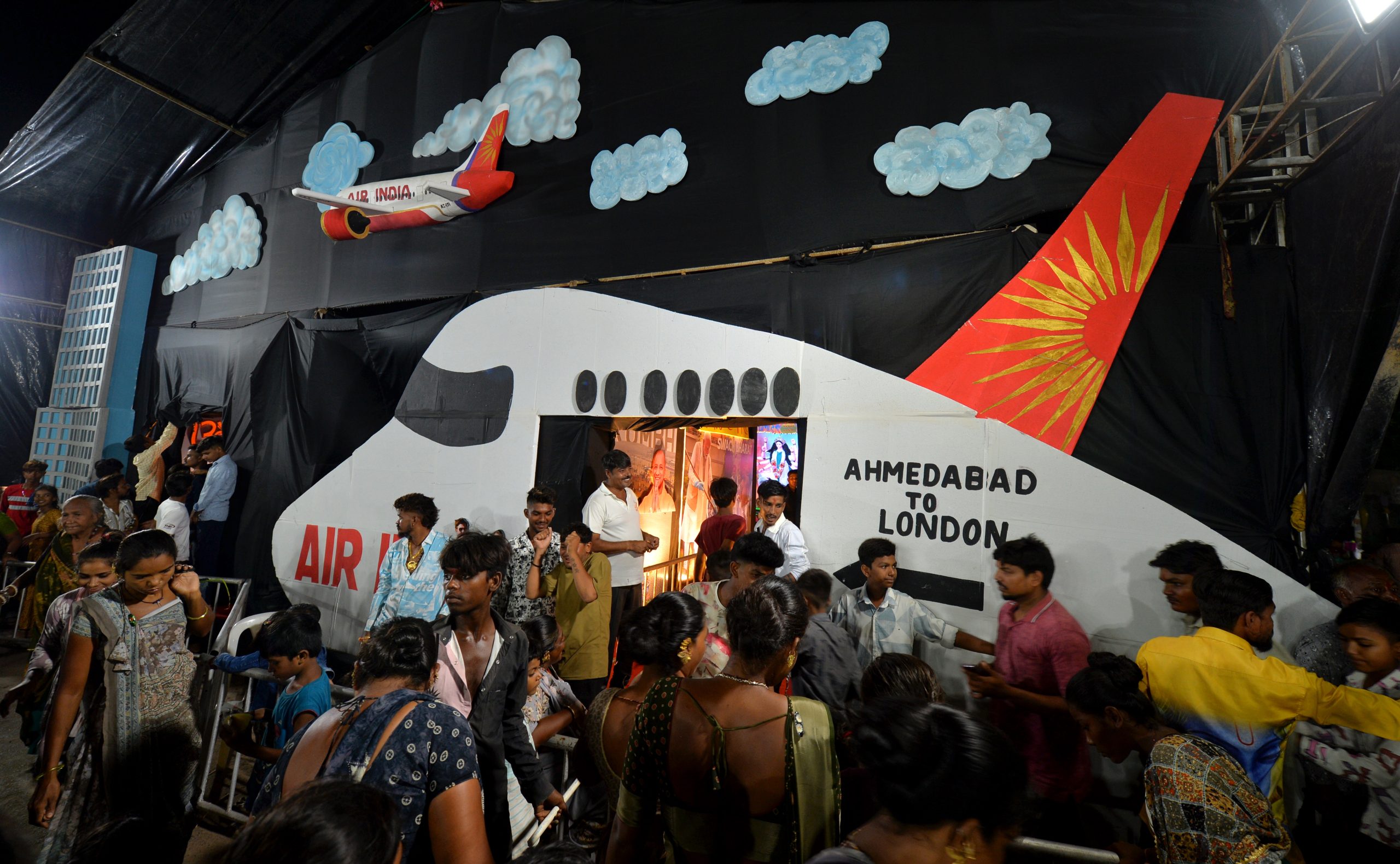
Dashama Vrat, a revered 10-day Hindu festival dedicated to Goddess Dashama, is celebrated primarily by women in Gujarat, Diu, Maharashtra, Goa, and parts of South India, seeking prosperity and protection from adversity. Held in homes, temples, and community pandals, it begins on July 24, 2025, on Ashadha Amavasya, ending August 2. Devotees undertake this vrat to invoke blessings for family well-being, observing rituals like fasting and idol immersion. The festival, rooted in Gujarati tradition, reflects cultural resilience.
In This Article:
- Origins and Significance
- Rituals and Practices
- Cultural Impact and Challenges
Origins and Significance
Dashama Vrat, also called Dashama na Naurta or “Navratri of the Goddess,” honors Dashama, a manifestation of Goddess Shakti, depicted riding a camel with four hands, symbolizing divine feminine strength, per DeshGujarat. The festival’s legend recounts King Vijay Singh of Gujarat’s Jal Mahal, who, after disrespecting Dashama, faced misfortune—withered orchards and imprisonment. His sincere observance of the vrat in jail restored his prosperity, highlighting faith’s transformative power. Devotees believe the vrat, often observed for five consecutive years, removes astrological obstacles and brings wealth, health, and peace.
Rituals and Practices
On Ashadha Amavasya, devotees install a clay Sandhani idol of Dashama alongside Lord Ganesha, tying a red Kautuka thread with 10 knots on their right wrist. The 10-day partial fast involves one wheat-based meal daily, with some opting for fruits, milk, or complete fasting. Daily pujas, bhajans, and recitations of Dashama Vrat Katha are central, culminating in an all-night Jagaran and idol immersion in rivers like the Sabarmati, symbolizing the goddess’s return. Offerings include betel leaves, coconuts, and sweets.
Cultural Impact and Challenges
Dashama Vrat unites communities through Garba, Raas, and fairs, reinforcing Gujarat’s cultural heritage. However, concerns arise over exploitation, with some claiming divine powers for financial gain, prompting rationalist groups like Bharat Jan Vigyan Jatha to advocate awareness. Environmentalists also urge designated idol immersion sites to prevent water pollution. As #DashamaVrat trends on X, the festival remains a vibrant testament to faith, blending tradition with calls for mindful celebration.
-By Manoj H