


As the first rays of the sun cut through the cool autumn breeze across Maharashtra, city lanes and village bylanes alike come alive in a kaleidoscope of oil lamps, spirit-lifting laughter and aromatic wafts of festive treats. Narak Chaturdashi, the second day of Diwali celebrations here, marks not only the triumph of light over darkness but also the triumph of communal joy and cultural continuity.
Historic Roots and Mythic Resonance
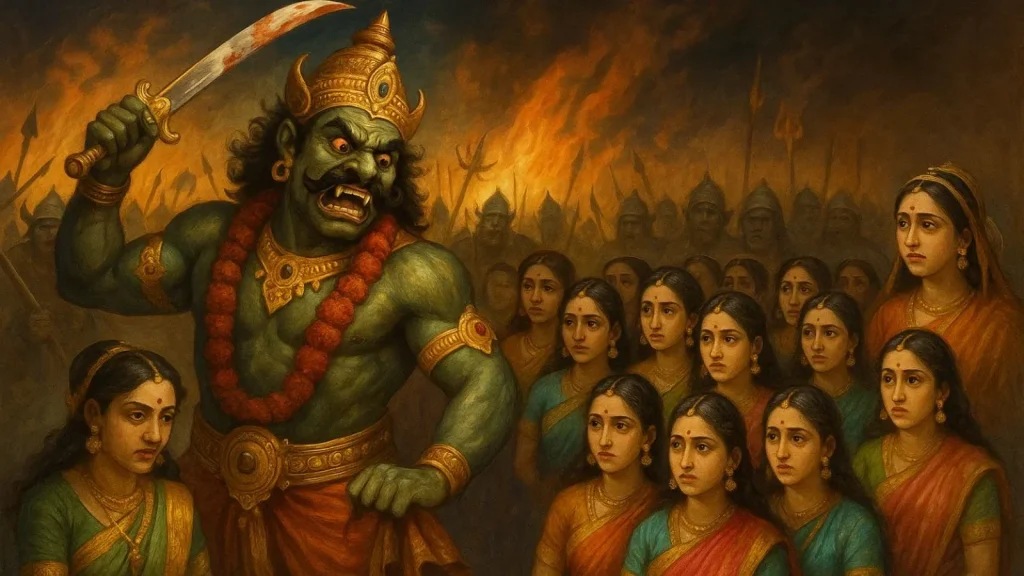
Narak Chaturdashi, also known colloquially as “Choti Diwali,” finds its origin in the tale of demon king Narakasura. Legend holds that Narakasura’s tyranny oppressed gods and humans until Lord Krishna and in some regional variations, Goddess Kali vanquished him on this auspicious lunar day. In Maharashtra, this myth is embroidered with Maharashtrian devotion: temples of Lord Krishna echo with kirtans, and local ballads recount the heroic victory that liberated the world from fear.
Dawn Rituals: The Sandalwood and Floral Reverence
Before the dawn breaks, households engage in a cleansing ritual known as “Abhyanga Snan.” Families warm sesame or coconut oil infused with turmeric and aromatic sandalwood paste. Elders gently massage the oil onto youth, symbolizing purification of both body and spirit. Following this, homes are decorated with fresh marigold garlands and rangoli patterns at doorways intricate motifs in rice flour that invite prosperity and ward off negative energies.
Lamp Lighting: Beacons of Hope
As the clock inches toward sunrise, families step outside with brass diyas (oil lamps) in hand. The gentle flicker of countless flames illuminates courtyards and pavements in a serene glow. In many Maharashtrian towns, spontaneous processions, complete with dhol-tasha troupes, crisscross neighborhoods, chanting devotional bhajans as they light lamps along narrow alleys. In the city of Kolhapur, local women dress in traditional nauvari sarees and perform the “Diwali Vandana” before lighting rows of diyas on the steps of Mahalaxmi Temple.
Culinary Traditions: A Feast for the Senses
No celebration in Maharashtra is complete without an array of festive delicacies. On Narak Chaturdashi morning, kitchens brim with the preparations of “Anarsa” (a rice-and-jaggery deep-fried sweet), “Thalipeeth” (savory multigrain flatbreads), and “Karanji” (crescent-shaped sweet dumplings filled with coconut and poppy seeds). Households often prepare “Shrikhand,” a velvety saffron-infused yogurt dessert, garnished with slivers of pistachio. These dishes, passed down through generations, kindle nostalgic memories of grandparents guiding young hands in rolling dough and tempering ingredients.
Community Bonding: Sharing the Light
Beyond family circles, Narak Chaturdashi catalyzes communal harmony. Local mandals (community groups) host “prasad” distribution stalls at neighborhood junctions, offering sweets and refreshments to all passersby. In smaller hamlets of the Konkan coast, fishermen families gather on the seashore, lighting oil lamps on banana leaves and releasing them onto the water—symbolizing the banishment of inner darkness and the arrival of hope.
Eco-Friendly Initiatives: Preserving the Earth
In recent years, environmental consciousness has spurred eco-friendly celebrations. Municipal corporations in major cities like Mumbai and Nashik encourage the use of earthen diyas and chemical-free rangoli powders. Several NGOs organize “Green Diya” drives, distributing homemade clay lamps and natural pigments, while local schools hold workshops demonstrating how to craft diyas from recycled paper and terracotta. These efforts aim to reduce the carbon footprint without dimming the festival’s radiant charm.
Safety Measures and Public Awareness
With hundreds of thousands gathering for dawn rituals, public safety takes center stage. Traffic police in urban centers enforce temporary road closures at key locations, ensuring pedestrian-only zones for lamp-lighting ceremonies. Fire and emergency teams are on standby to address any incidents arising from oil-based flames. Health departments run awareness campaigns advising residents to avoid overcrowding, keep first-aid kits handy, and supervise children during oil lamp handling.
Cultural Performances: Rhythms of Celebration
As daylight spells the official end of Narak Chaturdashi rituals, cultural programs enliven auditoriums and public squares. Folk dance troupes perform “Lavani” routines in vibrant costumes, accompanied by the rhythmic beats of the dholki. Classical music aficionados attend morning recitals of abhangs, devotional Marathi hymns, set to traditional ragas. These performances reinforce the living heritage of Maharashtra and connect modern audiences to ancestral art forms.
From Darkness to Diwali’s Climax
Narak Chaturdashi seamlessly bridges the solemnity of early dawn rituals with the high-spirited festivities of the main Diwali night. As lamps burn down and families rest, anticipation builds for Lakshmi Puja, Govardhan Puja and Bhai Dooj days ahead. Each flame lit on Chaturdashi carries a silent promise: that even the deepest darkness will bow before the collective luminance of hope, love and community.
By – Sonali