


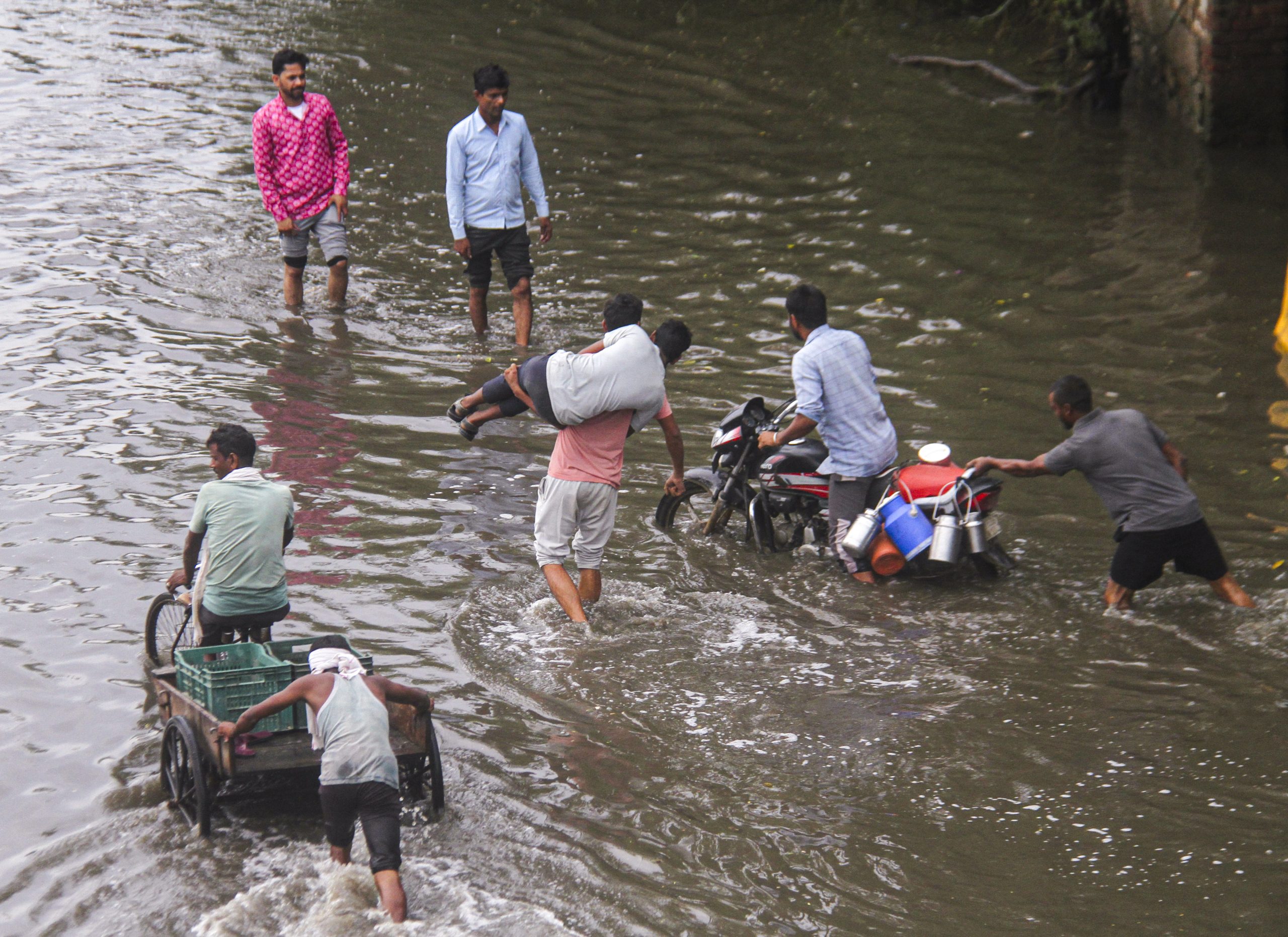
In July 2025, Delhi’s weather has been a rollercoaster, swinging from scorching heat to heavy humidity as the monsoon season unfolds. On July 6, the India Meteorological Department (IMD) reported patchy rain with temperatures hitting 37°C and humidity at 44%, while July 7 saw moderate to heavy rain with thunder, dropping to 25°C but spiking humidity to 100%. Residents across the capital, from Safdarjung to Aya Nagar, are navigating this shift, with the IMD forecasting more showers through July 31.
In This Article:
The Heatwave Legacy
Delhi’s summer was brutal, with June 2025 recording a peak of 45.5°C at Aya Nagar on June 11, and a “feels-like” temperature of 47.7°C due to low humidity. The Safdarjung observatory hit 46.8°C, marking one of the city’s hottest days. The IMD issued yellow alerts, warning of dehydration and heatstroke risks, especially for vulnerable groups. The heat, driven by Delhi’s proximity to the Thar Desert and dry “loo” winds, made outdoor activities unbearable, with energy demand soaring and water shortages reported.
Humid Embrace
The monsoon, expected by June 24–26, arrived late, hitting Delhi between June 30 and July 1. July brought high humidity (50–100%) and temperatures between 26.6°C and 35°C, with 220mm of rainfall expected, per Weather2Travel. Safdarjung recorded 3mm of rain on July 1, while Palam saw 27mm with thundershowers. The IMD predicts moderate to heavy showers peaking on July 7, cooling temperatures but making the air sticky. Humidity, combined with warm nights, has led to discomfort, with the “feels-like” temperature often exceeding 37°C, as noted by NDTV. Cloud seeding trials, scheduled for July 4–11, aim to combat air pollution but add to the wet conditions.
Impacts and Adaptation
High humidity has worsened Delhi’s air quality, with AQI levels fluctuating due to dust and moisture. Waterlogging in areas like South Gurgaon, as reported on X, disrupts daily life, while thunderstorms offer relief but risk power outages. Residents are adapting with indoor activities, visiting places like Lodhi Gardens or Qutub Minar during lighter showers, as suggested by MakeMyTrip. Health experts urge hydration and avoiding strenuous outdoor work, given the risk of heat stress at wet bulb temperatures near 31°C.
Delhi’s weather in July 2025, shifting from blistering heat to oppressive humidity, challenges its 32 million residents. While monsoon rains bring relief, they introduce new hurdles like waterlogging and poor air quality. With the IMD forecasting continued showers, Delhiites are learning to dance to the city’s unpredictable weather beat, balancing caution with resilience.
-By Manoj H