


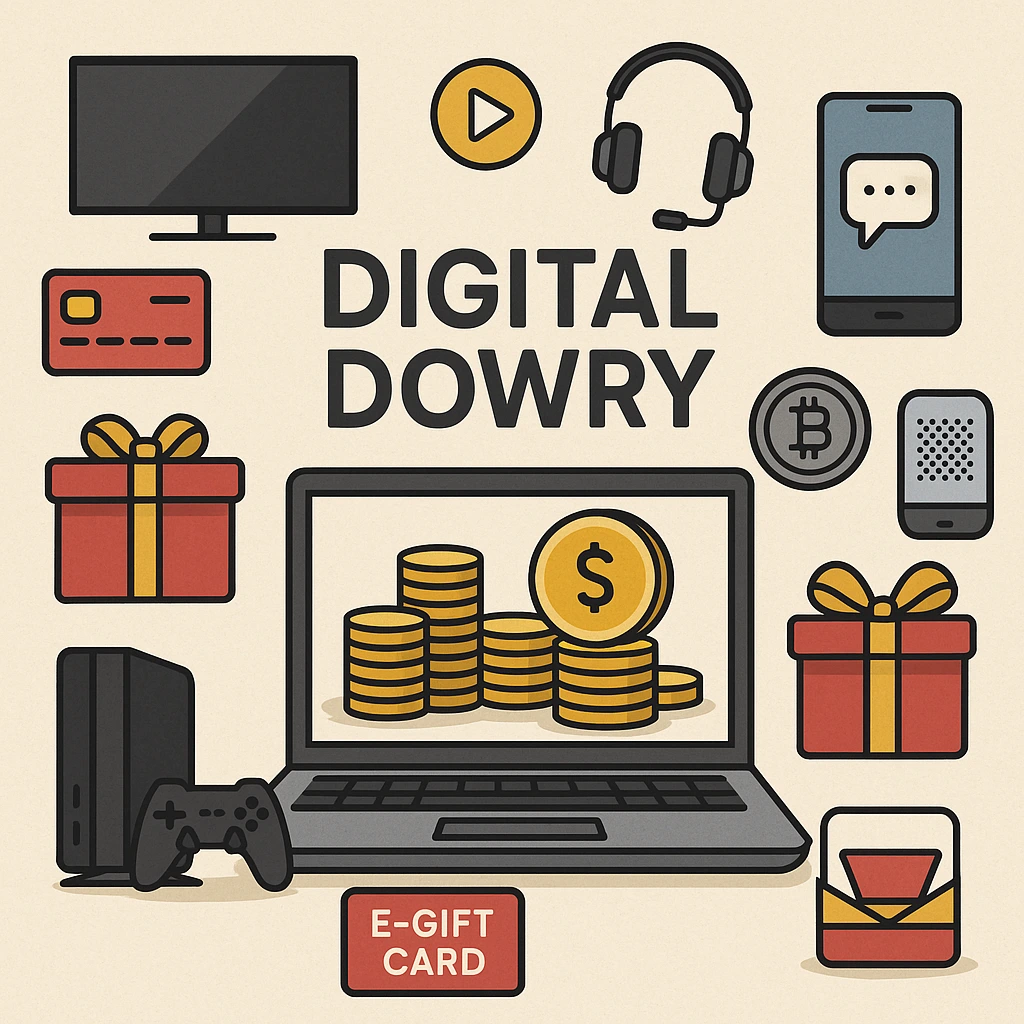
The traditional concept of dowry in Indian weddings is undergoing a dramatic transformation. While gold jewelry and property were once the preferred gifts from brides’ families, today’s marriages showcase a new phenomenon dubbed “digital dowry”—expensive gadgets, technology, and travel experiences taking center stage. This shift reflects deeper socio-economic changes reshaping Indian matrimonial customs.
The Modern Wedding Landscape: Rising Costs and Changing Priorities
Indian weddings have evolved from simple ceremonial affairs to grand spectacles. The average wedding budget in 2024 reached ₹3.5 million, representing a 14% increase from the previous year. The industry, now valued at over ₹6 trillion annually, witnesses approximately 4.8 million weddings between April 2024 and March 2025.
This growth has fundamentally altered gift-giving patterns. Where families once prioritized traditional items like gold jewelry (historically comprising 91% of wedding gifts) and kitchen utensils, today’s preferences have shifted dramatically toward high-tech alternatives.
The Rise of Digital Dowry: High-End Gadgets Replace Gold
Modern wedding gift lists increasingly feature cutting-edge technology. Smart TVs, wireless speakers, coffee makers, air purifiers, and smart home devices have become standard offerings. The trend extends beyond basic electronics to luxury items—designer watches worth ₹30 lakhs, BMW cars valued at ₹2.17 crore, and apartments worth ₹50 crore, as seen in celebrity weddings.
Popular digital dowry items now include:
Smart Home Technology: Voice-activated assistants, smart lighting systems, and security cameras that help couples establish tech-savvy households.
High-End Electronics: Premium smartphones, laptops, gaming devices, and entertainment systems are replacing traditional household items.
Experience-Based Gifts: Travel vouchers, destination honeymoon packages, and luxury experiences valued over material possessions.
Fitness and Wellness Tech: Smart fitness trackers, air purifiers, and health-monitoring devices reflecting modern lifestyle priorities.
Economic Factors Driving the Transformation
Several economic forces are reshaping wedding expenditure patterns:
Rising Disposable Income: Increasing household earnings enable families to afford premium technology gifts that were previously inaccessible.
Urbanization Impact: Urban families prioritize practical, space-efficient gifts over bulky traditional items. City dwellers favor compact, multi-functional gadgets that fit modern living spaces.
Educational Advancement: Higher education levels correlate with preference for technology-based gifts. Educated couples value functional items that enhance their professional and personal lives.
Women’s Financial Independence: A significant shift sees 60% of women planning to self-fund their weddings, moving away from traditional family-borne expenses. This autonomy influences gift preferences toward items that benefit both partners equally.
Generational and Social Dynamics
The transformation reflects broader generational changes in Indian society:
Millennial and Gen Z Influence: Younger couples increasingly self-fund weddings (42% of millennials), influencing gift preferences toward practical, modern items.
Social Media Impact: Instagram and social platforms drive demand for photogenic, shareable gifts. Couples seek items that enhance their social media presence – professional cameras, smart devices, and aesthetically pleasing gadgets.
Professional Necessities: Career-focused couples prioritize gifts supporting their professional growth – high-end laptops, smart office equipment, and productivity-enhancing technology.
Sustainability Consciousness: Environmental awareness influences preferences toward durable, energy-efficient technology over traditional resource-intensive gifts.
The Disguised Dowry Phenomenon
Despite legal prohibitions, the dowry system persists under the guise of “gifts.” Modern dowry often manifests as expensive gadgets and technology, circumventing traditional legal frameworks. Families justify these expensive items as voluntary presents rather than demanded payments, though the underlying expectations remain similar.
The Kerala High Court’s 2021 ruling acknowledged this evolution, stating that gifts given for the bride’s welfare without coercion don’t constitute dowry. However, social pressures often blur these legal distinctions.
Regional and Cultural Variations
Different regions show varying adoption rates of digital dowry:
Metropolitan Areas: Cities like Mumbai, Bangalore, and Delhi lead in tech-gift preferences, with 70% of urban weddings featuring electronic gifts.
Traditional Strongholds: Rural areas and traditional communities maintain gold preferences but increasingly supplement with basic electronics.
Destination Wedding Impact: The growing destination wedding trend (26% in 2024 versus 18% in 2022) encourages practical, travel-friendly gifts over bulky traditional items.
Economic Implications and Market Response
The digital dowry trend has created substantial market opportunities:
Electronics Retailers: Companies like Croma report significant sales increases during wedding seasons, with specialized wedding gift sections featuring everything from coffee makers to robot vacuum cleaners.
E-commerce Growth: Online platforms capitalize on this trend with curated wedding gift collections, personalization options, and bulk purchase discounts.
Financing Solutions: Banks and fintech companies now offer wedding loans specifically designed to cover modern expenses, including high-end electronics and destination celebrations.
Balancing Tradition with Modernity
The shift from traditional dowry to digital gifts represents more than changing consumer preferences – it reflects India’s socio-economic transformation. While this evolution addresses practical needs and generational preferences, it hasn’t eliminated underlying social pressures.
The digital dowry phenomenon ultimately mirrors broader societal shifts – urbanization, technological adoption, women’s empowerment, and changing family dynamics. Whether this transformation leads to more equitable marriages or perpetuates existing inequalities depends largely on how families, communities, and policymakers navigate these evolving customs.
By – Sonali