


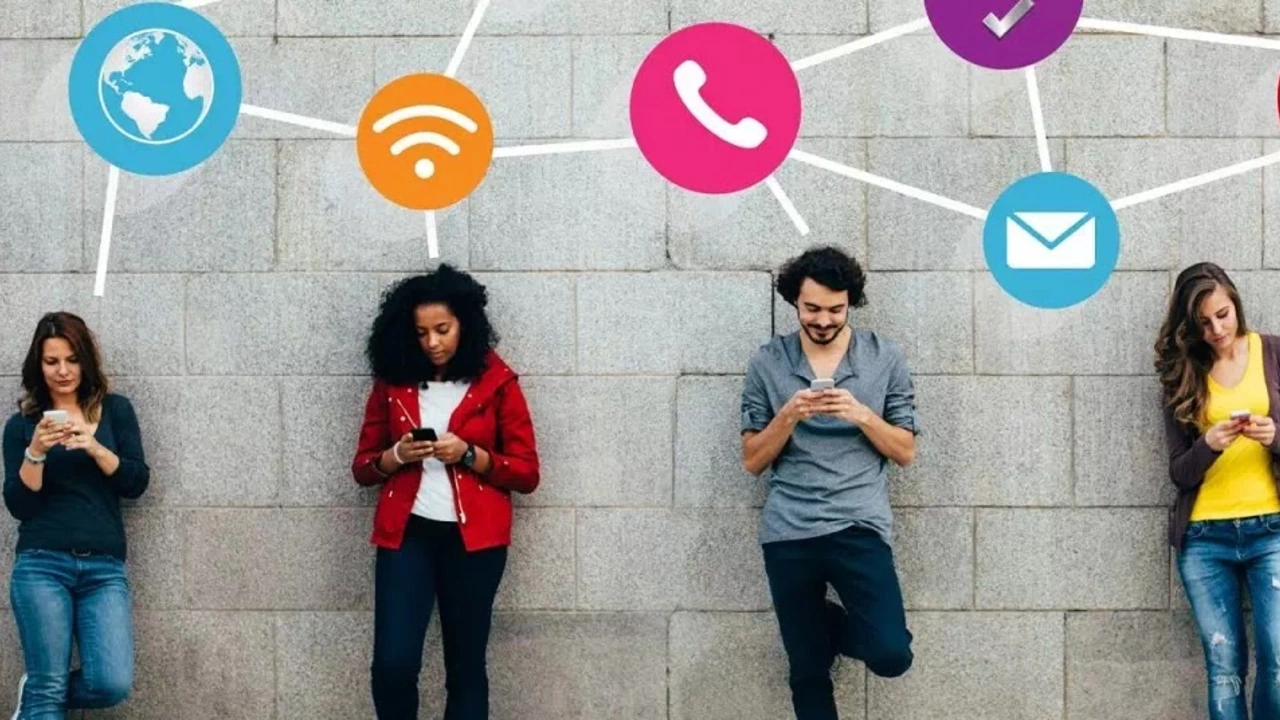
In today’s hyperconnected landscape, expressions of patriotism have transcended traditional symbols like flags and anthems to find new meaning online. Social media platforms have become a stage for cultural pride, digital activism, and identity-building, reshaping how citizens demonstrate their love for their country.
From Rituals to Hashtags
While national rituals remain, digital platforms now offer alternative modes of engagement. In the Philippines, for example, proud displays of “Pinoy pride” abound online, from food bloggers spotlighting local cuisine to creators teaching dialects and regional crafts. Hashtags such as #PinoyPride unify Filipinos worldwide in celebrating shared heritage, regardless of political or social differences.
Activism as Patriotism
Young patriots are increasingly turning to social causes as expressions of national love. In India, hashtags like #HarGharTiranga have mobilized mass participation in Independence Day initiatives, redefining patriotism as civic engagement rather than rote observance. Youth activists in environmental causes, human rights, and social justice channel digital tools to drive awareness and mobilization, infusing patriotism with purpose.
The Rise of Slacktivism and Digital Solidarity
Critics may dismiss online patriotism as slacktivism, superficial gestures like hashtagging or liking posts. Yet scholars argue that such participation often leads to meaningful action, with slacktivists engaging in more activities than non-participants and increasing influence through volume and visibility.
Risks of Polarization and Performative Patriotism
Not all digital displays of patriotism are constructive. There’s a growing trend of pseudo-patriotism, where social media becomes a venue for performative outrage, boycotting films, harassing dissenters, or policing national identity, often motivated by conformity or personal validation. Moreover, online platforms amplify polarization. Content targeting ideological opponents often garners significantly more engagement than affirmations of one’s own group, stoking division under the guise of national defense.
Cyber-Nationalism: State and Collective Identity Online
Beyond grassroots activism, countries around the world leverage digital tools to promote nationalist narratives, a phenomenon known as internet- or cyber-nationalism. Governments and organized groups use social platforms to reinforce identity, shape discourse, and sometimes conduct propaganda or cyber-interference.
Individualism and Eroding Unity
Scholars have cautioned that social media’s emphasis on personal expression and global values may inadvertently erode communal bonds. In Malaysia, for instance, researchers found that online individualism can challenge traditional notions of patriotism by prioritizing autonomy over collective unity.
Redefining What It Means to Love One’s Country
Despite the pitfalls, many young citizens continue to reframe patriotism in inclusive and action-oriented ways. Instead of mere symbolism, today’s patriotism often looks like creative storytelling, social justice campaigns, and cultural preservation, rooted in a desire to contribute meaningfully to the nation’s future.
By – Sonali