


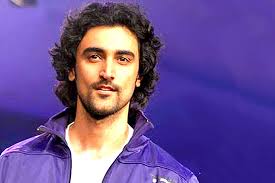
Actor-filmmaker Kunal Kapoor has sparked a sharp conversation on media bias and the global hierarchy of credibility. In a candid interview published on January 20, 2026, the Rang De Basanti star argued that Western media outlets are too often treated as the ultimate benchmark of truth and objectivity—especially when covering India or the Global South—despite their own documented flaws, selective framing, and cultural blind spots.
The Statement in Full
Speaking on a popular podcast focused on cinema, politics, and society, Kunal said: “We in India—and in much of the non-Western world—have this habit of treating BBC, The New York Times, The Guardian, CNN as the final word on objectivity. But objectivity is not a postcode. These are institutions run by human beings with their own histories, biases, funding pressures, and geopolitical lenses. When they report on India, they often miss nuance, amplify certain voices, ignore others, or frame stories through a colonial hangover. That doesn’t make them evil—it makes them human. But we should not treat them as the default arbiters of truth. We need to build and trust our own credible institutions, our own fact-checkers, our own storytellers. Otherwise we’re always playing catch-up in someone else’s narrative.”
Context of the Remark
The comment came during a discussion on how international media covered recent Indian events—from political controversies to cultural flashpoints—and how those reports were then amplified or challenged within India. Kunal pointed to specific examples where Western headlines were later corrected or contextualised by Indian fact-checkers and independent journalists, yet the initial framing continued to dominate global perception.He also referenced the growing ecosystem of Indian digital media, independent YouTube channels, and vernacular reporting platforms that are increasingly holding power to account—often faster and with more local insight than legacy Western outlets.
Industry & Public Reactions
The clip of Kunal’s statement spread rapidly on X, Instagram, and YouTube, receiving both strong support and pushback. Supporters praised him for articulating a long-standing frustration among many Indians: the lingering colonial-era deference to Western validation. One widely liked reply read: “Finally someone said it. We don’t need a foreign stamp to know our own truth.”Critics, however, accused him of “whataboutism” and downplaying the rigorous standards of some Western publications. Others argued that Indian media has its own credibility issues—paid news, sensationalism, and political capture—and that dismissing foreign reporting wholesale is dangerous.
Kunal’s Broader Point
The actor-filmmaker was careful not to dismiss Western journalism entirely. “There is excellent, fearless reporting done by many Western correspondents,” he clarified later in the conversation. “But excellence is not geography. It’s rigour, access, and honesty. We need to demand that from everyone—including our own media—and stop treating one side as automatically more credible.”
A Shifting Horizon Awaits
Kunal Kapoor’s words aren’t dismissal—they’re ignition. As narratives compete, trust is rebuilt locally, and objectivity is no longer a postcode, it affirms: Self-respect in storytelling summons a more balanced world in media’s ceaseless charge.
-By Manoj H