


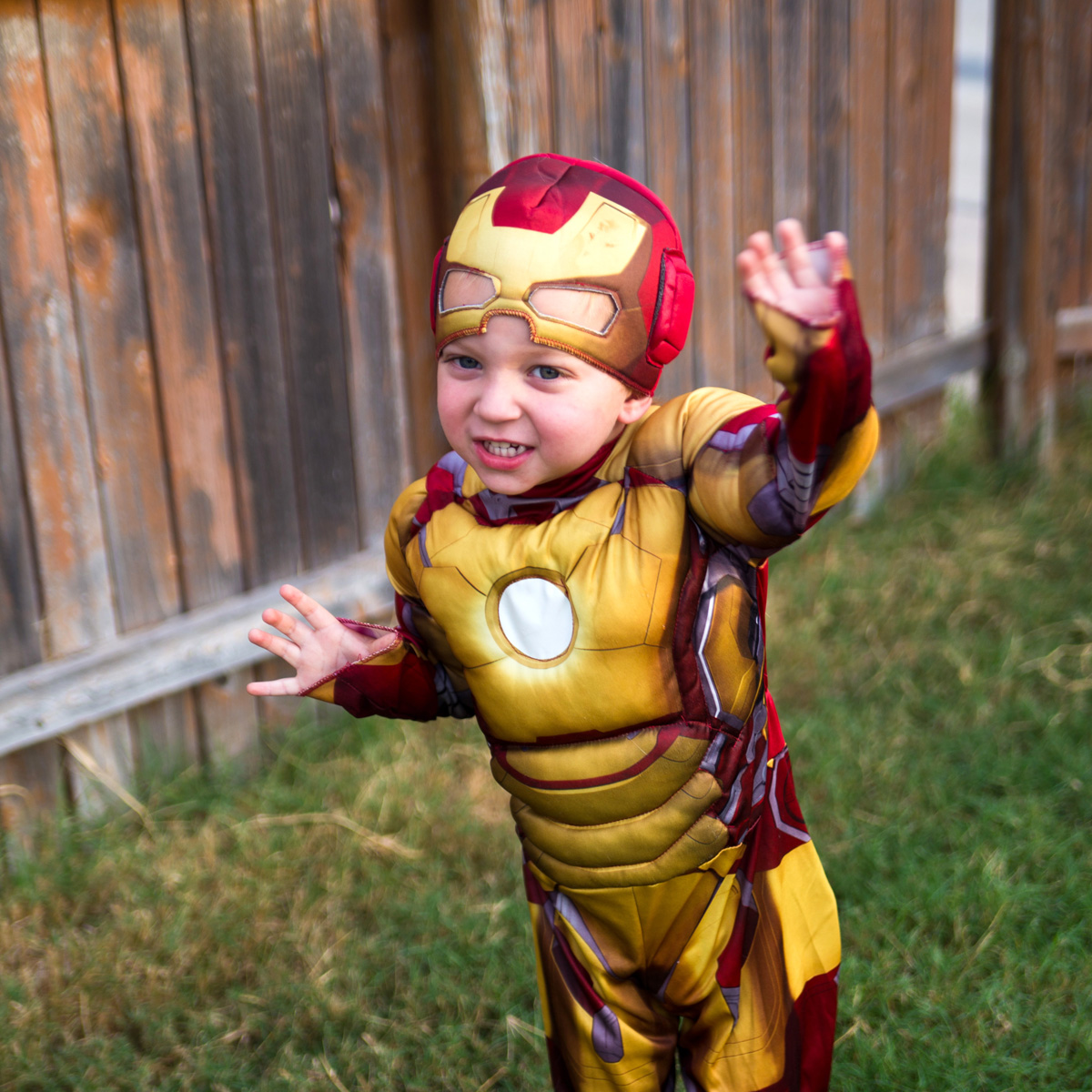
A six-year-old in a homemade cape leaping off the sofa, yelling, “I am Iron Man!” before landing with a triumphant grin. Parents smile, cameras roll, and somewhere inside that little chest, something real just grew a bit bigger: confidence. But is this just adorable play-acting, or are superhero movies actually building self-belief in kids? Let’s put on our own capes and dive in.
1. “I Can Do Hard Things” – The Power Pose Effect
Stanford research on “power posing” shows that standing like Superman for two minutes boosts testosterone and lowers stress hormones—even in adults. Now imagine a child mimicking Spider-Man’s crouch or Wonder Woman’s arms-akimbo stance after watching the latest blockbuster. Studies from the University of California (2022) found that kids aged 5-10 who regularly watched superhero media were more willing to try challenging tasks—like climbing the monkey bars or speaking in class—because they had mentally rehearsed “being brave” with their heroes.
2. Moral Muscles: Seeing Good Win Builds Hope
Superhero stories almost always end with the good guy winning, not because they’re the strongest, but because they never give up. A 2023 study in Journal of Child Psychology showed that children exposed to positive heroic narratives (think Captain America refusing to quit) scored higher on persistence tests than those who watched neutral cartoons. The message sticks: “If they can keep going after falling, so can I.”
3. “Different is My Superpower” – Representation Matters
Miles Morales, Kamala Khan, Shuri, and Blue Beetle aren’t just cool—they look like a lot of kids who never saw themselves on screen before. When a child sees a hero who shares their skin color, culture, or even braces, the brain whispers, “If they can save the world, maybe I can ace that math test.” Disney’s own research after Encanto found Latino children reported feeling “proud and capable” after watching Mirabel celebrate her ordinary-yet-extraordinary self.
4. Imaginary Play = Real Confidence
Pretend play is rocket fuel for self-esteem. Pediatric psychologists at Boston Children’s Hospital note that kids who act out superhero scenarios develop better emotional regulation and social skills. Running around as Black Panther isn’t just fun—it’s rehearsal for leadership, teamwork, and standing tall when someone says “you can’t.”
5. The Flip Side: Not All Capes Are Healthy
Let’s be honest—too much invincible-hero content can set unrealistic standards. Some kids feel disappointed when they discover they can’t actually shoot webs. Balance is key: pair the movies with conversations like “Spider-Man practiced a lot to get good” or “Even Batman gets scared sometimes—he just keeps going.”
The Verdict? Yes, with a Parent Sidekick
Superhero movies alone won’t raise a confident child, but they’re an incredible booster rocket when parents discuss the lessons: courage isn’t fearlessness, it’s action despite fear; failure is part of every hero’s origin story; and everyone—even the kid afraid of the dark—has a superpower waiting to be discovered. So the next time your little one demands the cape for grocery shopping, smile. They’re not just playing pretend. They are preparing to become the protagonists of their own narrative, taking bold steps one by one.
-By Manoj H