


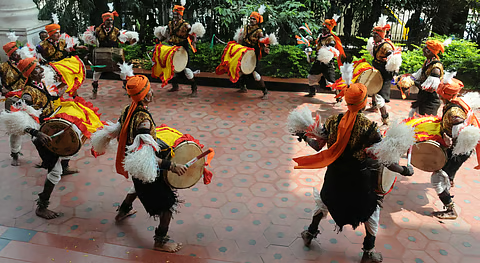
The thunderous Dollu Kunitha, Karnataka’s iconic drum dance, is capturing attention far beyond its origins in the Kuruba community. With synchronized movements, booming beats, and mythology steeped in tradition, this folk art continues to enthrall audiences across India.
A Drum with a Divine Legacy
Dollu Kunitha, literally translating to “drum dance,” is a high-energy folk performance rooted in worship of Beeralingeshwara, a form of Lord Shiva, and practiced predominantly by the Kuruba Gowda community of North Karnataka. According to legend from the Halumatha Purana, the drum (dollu) was fashioned from the hide of demon Dolla-asura by Shiva himself and gifted to the Kuruba people.
Dynamic Performances: Form and Function
The performance typically features 10 to 16 dancers, each carrying a large double-headed drum around their waist or harnessed for rigorous play. Dressed simply, often bare-chested with dhotis or black sheets tied around the waist, their costumes focus attention on the raw power of the dance rather than ornate attire. A central leader, wielding cymbals, guides the ensemble, alternating between slow and rapid rhythms that sweep the group into intricate patterns.
Performers must display exceptional stamina; the drums are hefty and require endurance to dance vigorously for extended periods. The dance is typically arranged in a circular or semicircular formation, with the group weaving dynamic choreographic movements.
Cultural Resonance and Contemporary Reach
Beyond its traditional roots, Dollu Kunitha has become a keystone of cultural events across Karnataka, from temple festivals to state celebrations. It holds a place of pride during Karnataka Rajyotsava, where it complements other folk forms like Kamsale and Veeragase in elaborate cultural tableaux. It also features prominently in grand processions such as Mangaluru Dasara, bringing dynamic folk fervor to street parades.
In recent years, women’s troupes of Dollu Kunitha have emerged, demonstrating that the form transcends traditional gender norms and continues to evolve while retaining its energetic essence.
A Living Tradition on Global Stages
While firmly grounded in rural heritage, Dollu Kunitha has journeyed beyond Indian shores. Notably, a troupe led by K. S. Haridas Bhat toured the USSR in 1987, captivating audiences across Moscow, Leningrad, and beyond with its pulsating rhythms and physical dynamism.
Why Dollu Kunitha Still Matters
Cultural Identity: Dollu Kunitha embodies Karnataka’s rural ethos, strengthening communal bonds and keeping ancient legends alive.
Performance Art: With its dramatic percussion and commanding choreography, the dance continues to enthrall both local and international audiences.
Adaptability: The inclusion of women performers and modern contexts shows the dance’s resilience and ability to thrive in changing times.
Final Notes: Tradition That Beats On
In an age where digital media often eclipses grassroots culture, Dollu Kunitha stands out as a resounding reminder of the power of embodied tradition. Its fusion of strength, rhythm, and mythology has secured its place both as a ritualistic expression and a celebrated performance art.
As festival crowds gather in Karnataka and even far beyond, they still unite in awe at the sight of powerful drummers forming human chains, weaving elaborate patterns, and making the very earth seem to vibrate with the beat. Dollu Kunitha remains a timeless echo of Karnataka’s cultural heart.
By – Sonali