


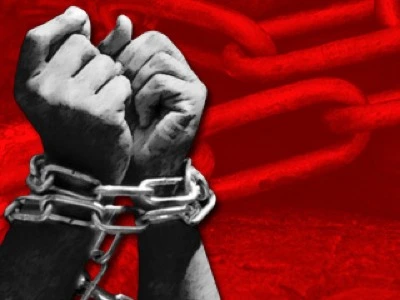
In the ruling, the Constitutional Court determined that between 1963 and 2019 workers of the Japanese company Furukawa were forced to live in dormitories without basic services at a plantation in western Ecuador, where accidents were common due to the lack of safety training.
Former employees of Furukawa attended Saturday’s ceremony along with their lawyers, who have accused the company of not paying reparations to the workers who were affected by the harsh conditions at its plantation in Santo Domingo de los Tsachilas province.
Furukawa representatives were not immediately available for comment. The company changed owners in 2014, and it has said that conditions have changed since then. Furukawa has also asked Ecuador’s government to lift a ban on the sale of its properties in Ecuador so that it can pay reparations to workers.
The abaca plant, which is also known as manila hemp, is used to make speciality papers, ropes and fishing nets. The plant resembles a banana plant, but its fruits are not edible.
Ecuador is the world’s largest exporter of bananas and is also among a handful of countries that produce large quantities of abaca. (AP) AMJ AMJ