


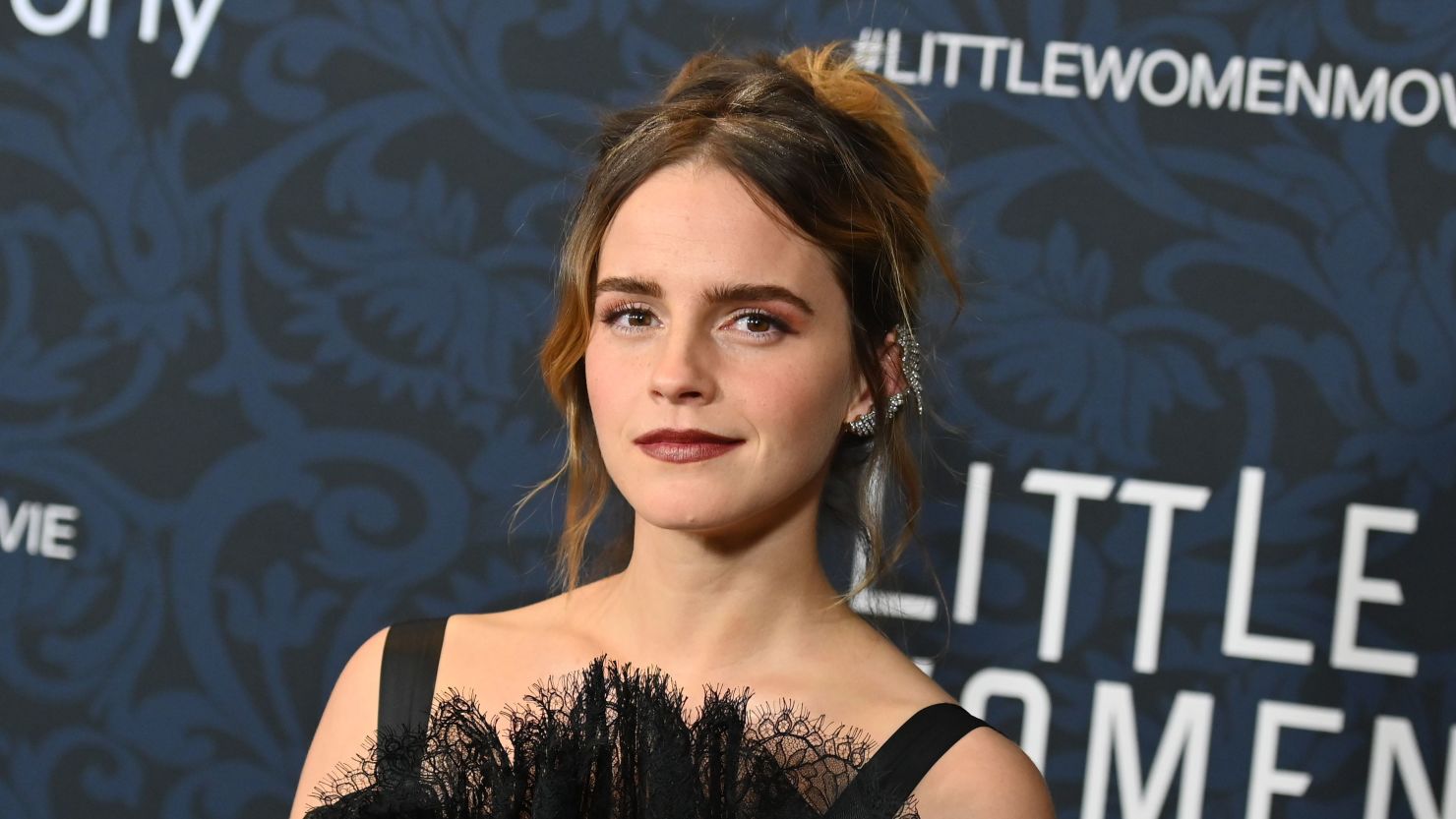
In a candid recent conversation, actress Emma Watson revealed that her decision to step away from acting stemmed from deeper emotional and psychological tolls she endured in Hollywood. Watson, best known for her role as Hermione Granger in the Harry Potter series, confessed that the film industry left her feeling disillusioned and undercut her emotional resilience.
Her remarks came during a podcast with Jay Shetty, where she recounted her struggles with the transition from Harry Potter to more mainstream Hollywood roles. Watson claimed she entered new sets expecting the same camaraderie and creative community she shared during her long tenure in Harry Potter, only to be met with a colder, more transactional environment.
From “Family” Sets to Career Isolation
Watson described the Harry Potter film experience as a unique, formative environment where she and her co-stars felt like family. She admitted she carried that expectation into her later projects, hoping to replicate that sense of support and belonging. But that, she said, was a misjudgment.
“I came to work looking for friendship … In Hollywood, like bone-breakingly painful,” Watson told Shetty.
She noted that most professionals on those sets were motivated by ambition, treating acting as a career ladder rather than a shared creative journey. Watson acknowledged she lacked the “thick skin” necessary for such high-pressure, competitive environments.
Watson went on to reflect on the “Molotov cocktail” of politics, envy, and hierarchical structures that she says pervaded her non-Harry Potter acting experiences.
The Emotional Cost of Promotion
Beyond the pressures on set, Watson also addressed the emotionally draining promotional routines that accompany film releases. She said forcing public displays of friendship with co-stars, when those relationships did not exist off camera felt “soul-crushing.”
“Having to pretend something exists that you really want but don’t have … is pretty grainy in the wound,” she remarked.
Such demands, Watson implied, compounded the emotional isolation she felt overall, making the process of being a public face for her films especially taxing.
Break from Acting and New Pursuits
Watson’s last major screen appearance was in the 2019 adaptation of Little Women. She has not taken on a major acting role since then. In the podcast, she framed her hiatus not just as retreat, but as a strategic and emotional reset.
The actor is currently enrolled in doctoral studies at the University of Oxford, a path she appears deeply committed to alongside her public speaking and activism.
She also spoke of hope: that perhaps what Hollywood “broke” in her rest now has something left to heal. “I have something left to break. I have a heart left to break,” Watson said, suggesting resilience remains.
Industry Reaction and Broader Context
Watson’s remarks resonate in a broader conversation about the emotional and mental health tolls that actors often face behind the glamour. While she did not single out individuals, her testimony underscores systemic pressures in the entertainment industry: intense competition, political dynamics, emotional labor, and the strain of public persona.
Observers note that Watson is not the first actor to speak of disillusionment or burnout. But her platform and candid framing lend fresh visibility to how even major stars are vulnerable to emotional burnout.
Whether Watson will resume acting, with a different perspective or under changed terms remains to be seen. But for now, her story invites a deeper, more humane look at what lies behind the silver screen.
By – Sonali