


2025 was a reset year for fashion—defined less by one “it” look and more by a sequence of high-stakes creative changes at legacy houses, plus a clear return to craft, texture, and personal styling. A luxury slowdown in parts of the market pushed brands to sharpen identity: the result was a year of bold debuts, heritage remixes, and trend cycles that moved from runway language into everyday wardrobes.
The Big Story: A New Guard at the Top Houses
If 2025 had a headline, it was creative direction.
- Chanel entered a new era with Matthieu Blazy’s debut in October, widely read as a confident refresh of house codes rather than a reinvention for shock value.
- Dior consolidated creative leadership under Jonathan Anderson in 2025, signalling an intentional tightening of Dior’s design language across categories.
- Tom Ford saw Haider Ackermann’s first collection in March—sleek, sensual tailoring that leaned into the brand’s DNA without imitating it.
- Givenchy began its new chapter with Sarah Burton, whose debut centred construction, atelier discipline, and a precise idea of modern femininity.
- Maison Margiela appointed Glenn Martens and quickly turned that transition into cultural currency via an Artisanal moment that dominated fashion-week conversation.
Trendlines That Defined 2025
1) Brown goes mainstream (and stays there)
From accessories to outerwear, mocha and cocoa tones read as the year’s smartest “quiet power” neutral—helped by Pantone’s Mocha Mousse as Color of the Year 2025.
2) The boho comeback—polished, not costume
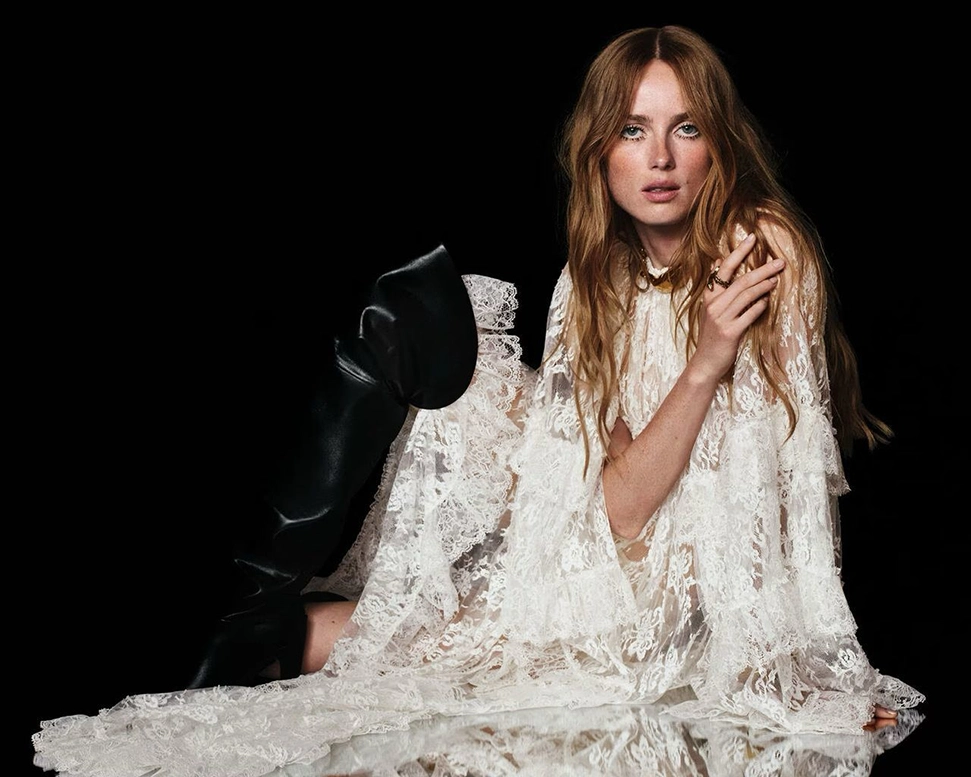
Boho returned with intention: soft volume, ruffles, lace, and a slightly undone romance, widely linked to the Chloé wave.
3) Suede as the season’s texture flex
Suede moved beyond “fall staple” into a street-style and runway-approved texture—jackets, bags, and boots becoming wardrobe anchors rather than occasional statements.
4) Stripes and nautical codes re-enter the chat
Breton stripes and maritime styling became a Spring/Summer throughline, showing up as an easy “classic, but current” shortcut.
5) Leopard print stays evergreen
Animal print remained a reliable headline-maker—less “trend” and more recurring fashion language, with styling guides and editorial coverage keeping it active.
Celebrity Style Evolution: From Safe to Signature
Celebrity dressing in 2025 leaned into narrative: archival pulls, character-led tailoring, and menswear that embraced drama without losing elegance. Zendaya’s red-carpet choices continued to signal the strength of “method dressing,” while Colman Domingo pushed modern menswear toward capes, color confidence, and statement silhouettes.
The 2025 Takeaway
2025 didn’t belong to one aesthetic—it belonged to direction. New creative leadership raised the stakes, trends became more texture-led and craft-forward, and celebrity style shifted from “looking good” to “saying something.” The net effect: fashion felt less like a single runway decree and more like a set of evolving, highly personal choices.
By – Manoj