


A decade ago, the typical cinematic father was either the angry disciplinarian shouting from the dinner table or the invisible breadwinner who appeared only to deliver a life lesson before vanishing again. Today, something remarkable is happening: global cinema is rewriting fatherhood in real time. Dads now cry in front of their children, braid hair, burn dinner, apologize, and love out loud. On International Men’s Day 2025, the big screen is quietly becoming the biggest advocate for the emotionally present father.
The Rise of the Vulnerable Dad
It started with Viggo Mortensen’s off-grid father in Captain Fantastic (2016) openly grieving with his six children, continued with Mahershala Ali’s drug-dealer-turned-mentor Juan teaching a young boy to swim and to feel in Moonlight (2016), and reached new heights with Joaquin Phoenix’s tender, anxious uncle-turned-guardian in C’mon C’mon (2021). These men are not flawless; they are fragile, and that fragility is now portrayed as strength.
Single Dads, Super Dads, Real Dads
Hollywood and beyond have embraced fathers who do the school run and the emotional heavy lifting. Ryan Gosling changing diapers under pressure in The Place Beyond the Pines (2013), Adam Sandler mastering bedtime chaos in Big Daddy (1999—still rewatched religiously), and Bob Belcher juggling a restaurant and three kids in The Bob’s Burgers Movie (2022) show that fatherhood can be messy, hilarious, and heroic all at once.
The South Asian Father’s Quiet Revolution
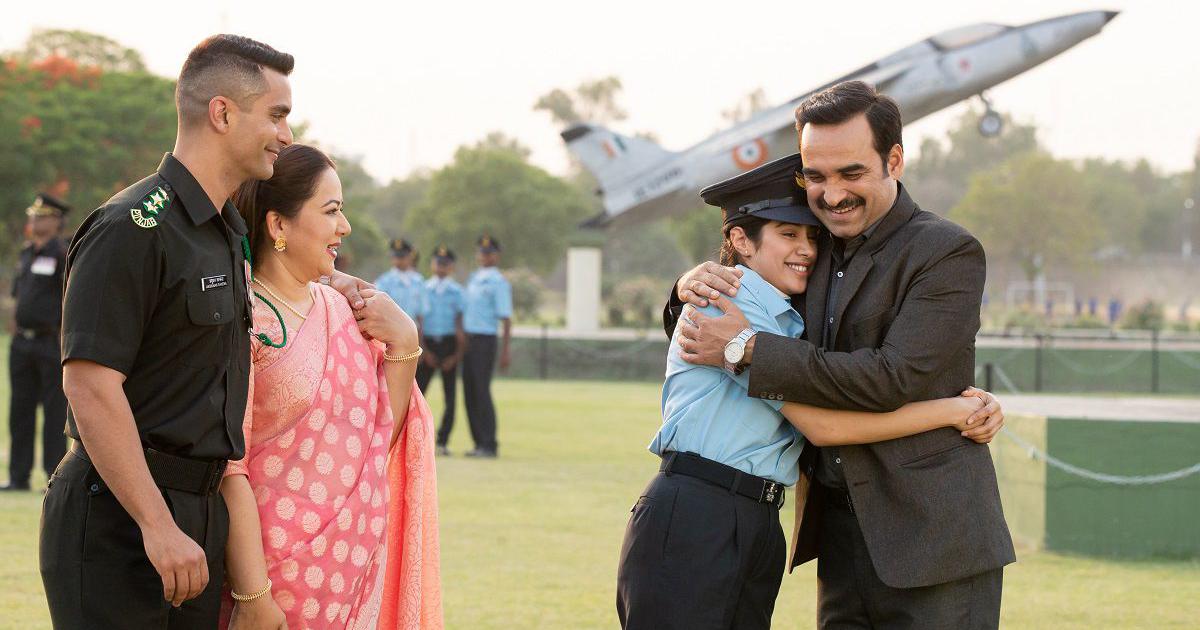
Bollywood and regional cinema have perhaps changed the most dramatically. The roaring patriarch of the 1990s has given way to Pankaj Tripathi’s gentle, progressive father proudly saluting his pilot daughter in Gunjan Saxena (2020), Ayushmann Khurrana’s late-life dad embracing embarrassment with grace in Badhaai Ho (2018), and Rajkummar Rao playing supportive, emotionally intelligent fathers in everything from Bareilly Ki Barfi to Ludo. Even the controversial Animal (2023) sparked debate precisely because its toxic father-son dynamic felt like a relic against this new wave.
Animation’s Enduring Lesson
Never underestimate the power of animated dads. Mr. Incredible learning to parent while Mom saves the world in The Incredibles 2, Marlin’s anxious devotion in Finding Nemo, and Gru’s transformation from villain to diaper-changing dad in the Despicable Me series have raised an entire generation to expect emotional availability from fathers.
A Reflection of Real Life
Filmmakers themselves admit the change is personal. Many of today’s writers and directors are young fathers who grew up with absent or angry dads on screen and are determined to show the fathers they are trying to become. The result? Cinema is no longer just entertaining us; it is actively reshaping cultural expectations of what a “good dad” looks like. This International Men’s Day, the message from our screens is clear: the modern father hugs longer, listens harder, and loves louder—and the world is better for it.
-By Manoj H