


In the glittering world of Indian cinema, some traditions transcend mere commercial strategies to become cultural phenomena. Just as festivals mark the rhythm of Indian life, certain superstars have carved out their own calendars of cinematic celebration, turning religious festivals into personal box office fiefdoms that fans eagerly anticipate each year.
The Birth of Festival Monopolies
The concept of festival releases isn’t new to Indian cinema, but the systematic monopolization by specific stars represents a relatively modern phenomenon that has reshaped the industry’s release patterns. What began as strategic timing has evolved into an almost sacred tradition, with fans expecting their favorite stars to deliver festive entertainment as reliably as the festivals themselves arrive.
Salman Khan: The Undisputed Sultan of Eid
For over a decade, Eid has become synonymous with Salman Khan’s big-screen extravaganzas, establishing him as the undisputed king of the Eid box office. Khan’s dominance began with Wanted (2009), but it was Dabangg (2010) that truly marked the beginning of his reign over the Eid release window. The film’s success, earning Rs 221.14 crore globally, set a precedent that Khan would religiously follow.
The numbers tell a compelling story of Khan’s Eid supremacy. From 2010 to 2023, his Eid releases have consistently set the box office on fire, with day-one collections ranging from Rs 14.50 crore for Dabangg to Rs 42.30 crore for Bharat in 2019. Films like Bodyguard (2011), Ek Tha Tiger (2012), and Sultan (2016) have grossed Rs 252 crore, Rs 334.39 crore, and achieved massive success respectively.
Even when his films received mixed reviews, such as Tubelight (2017) or Kisi Ka Bhai Kisi Ki Jaan (2023), they managed to recover costs and maintain Khan’s festival dominance. This year’s Sikandar, set to release ahead of Eid 2025, continues this tradition, with industry experts predicting another blockbuster despite opening day collections of Rs 30.06 crore.
Vijay: Pongal’s Perennial Champion
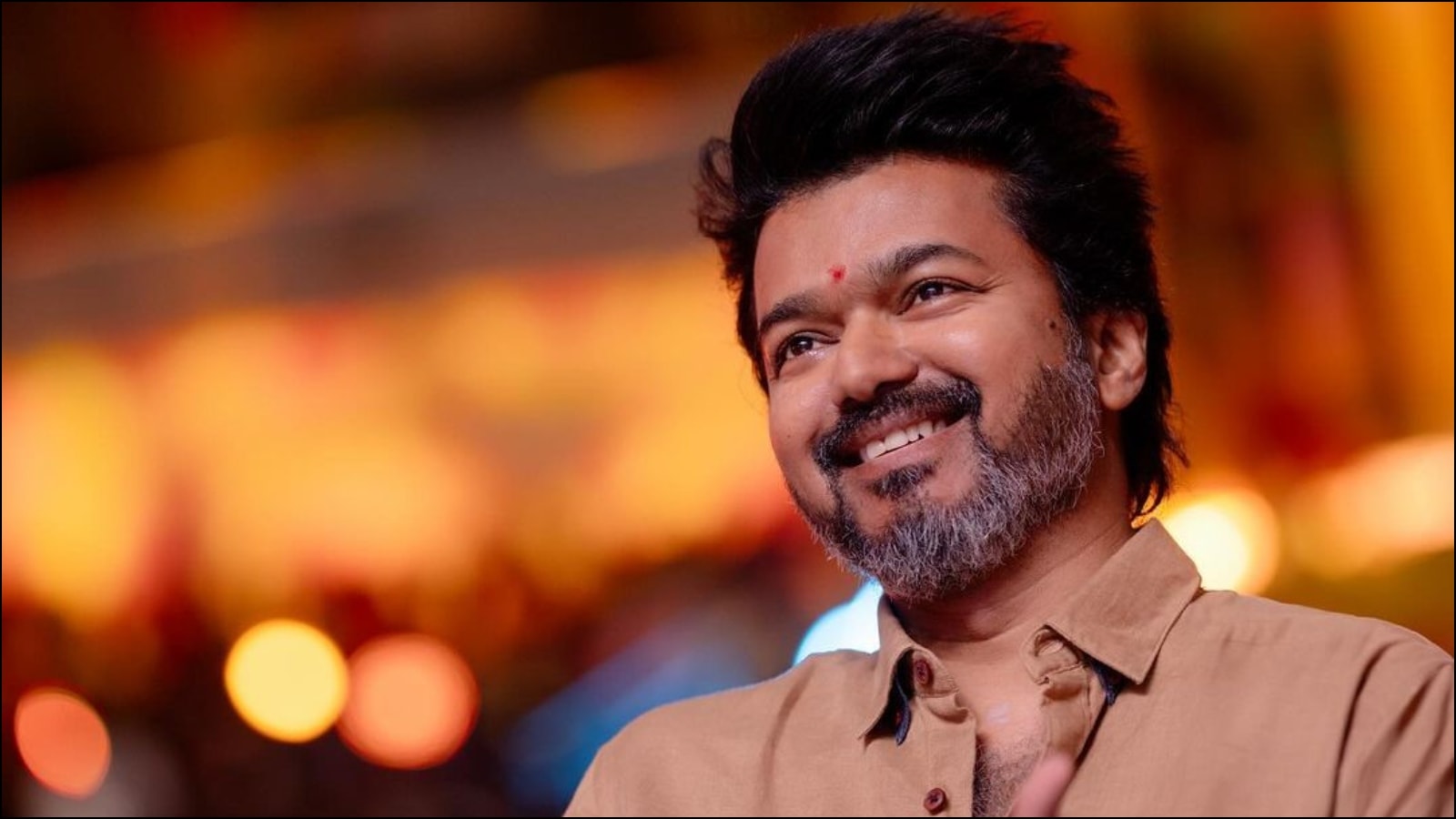
In Tamil cinema, Thalapathy Vijay has established a similarly commanding presence during Pongal celebrations. His relationship with the harvest festival dates back to 1996 with Coimbatore Mapilai, and over his career, 15 of his 66 films have been Pongal releases. This impressive track record includes memorable hits like Friends (2001), which was declared a blockbuster, Thiruppachi (2005), and the groundbreaking Pokkiri (2007), which became the first Tamil film to collect 75 crores at the box office.
Vijay’s Pongal dominance has been so consistent that Varisu marked his 15th Pongal release, demonstrating the star’s deep connection with the festival. His upcoming and final film Jana Nayagan is strategically set for Pongal 2026, promising to be a cultural milestone as he transitions from cinema to politics. The film, directed by H. Vinoth and featuring music by Anirudh Ravichander, is positioned as the most awaited release of the season.
The Business of Festival Dominance
This monopolization isn’t merely about star power, it represents a sophisticated understanding of audience psychology and market dynamics. Festivals drive families to theaters, creating a captive audience eager for entertainment. The Tamil film industry particularly recognizes this, with Diwali being the second biggest festival date after Pongal in terms of box office significance.
The financial impact is substantial. Tamil cinema’s festival releases have helped the South Indian film industry grow at 11 percent annually, with revenues approaching $600 million, according to Deloitte Touche Tohmatsu. This growth has positioned regional cinema as a formidable force, challenging Bollywood’s traditional dominance.
Industry Implications and Future Outlook
Industry veteran Ajay Devgn has acknowledged the harmful nature of festival monopolies, predicting that this dominance will eventually break as more films compete for prime dates. The monopoly forces smaller films into less favorable release windows, potentially limiting their commercial success and audience reach.
However, the tradition continues to evolve. Bengali cinema has recently mandated that 50% of prime time slots during festivals like Eid and Durga Puja be reserved for local films, indicating a growing awareness of the need for diverse representation during festival periods.
The Cultural Legacy Continues
As Sikandar prepares to grace Eid screens and Jana Nayagan awaits its Pongal debut, these festival monopolies represent more than commercial strategies, they embody the deep cultural connection between cinema and celebration in Indian society. Like modern-day rajas holding court during festivities, these superstars have transformed religious celebrations into cinematic kingdoms, where fans worship not just at temples but at movie theaters, making every festival a double celebration of faith and film.
By – Sonali