


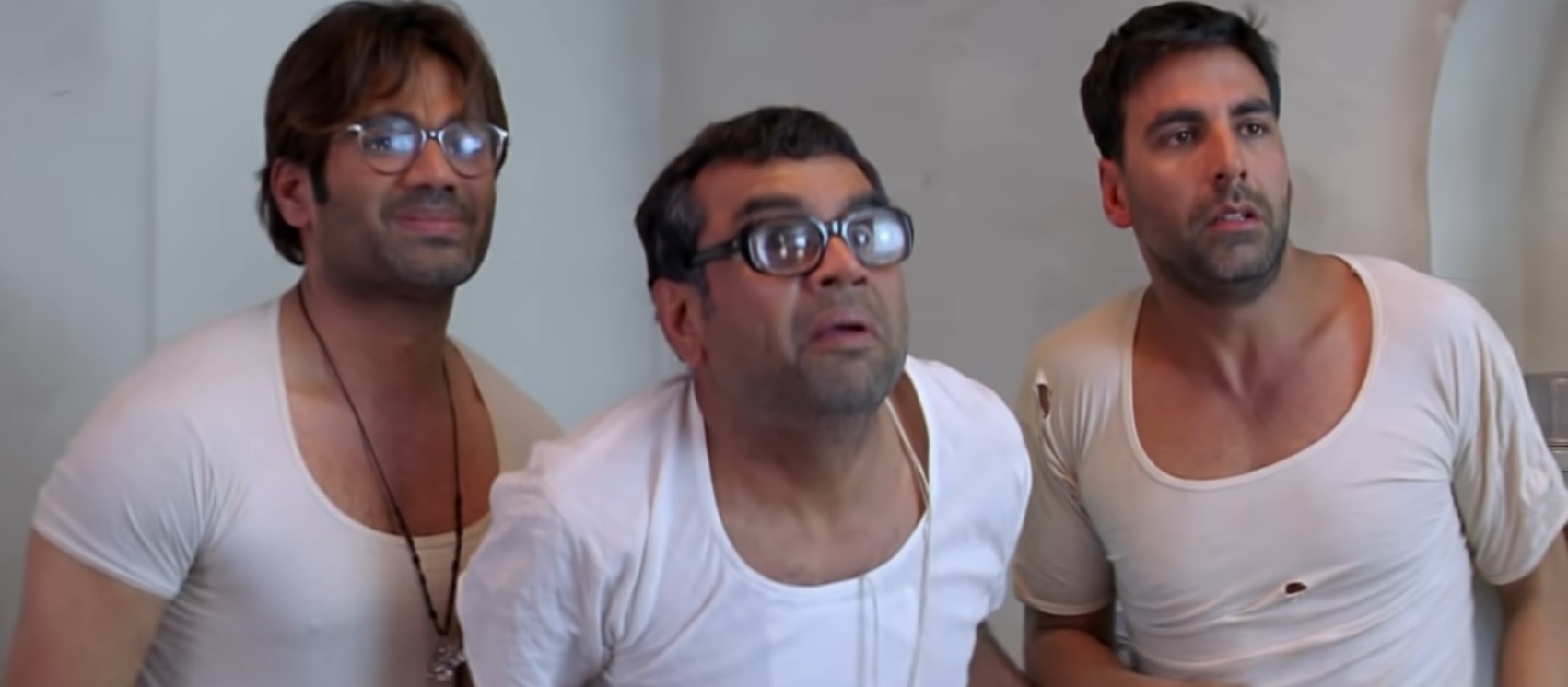
In a significant escalation over intellectual property rights, veteran Bollywood producer Firoz Nadiadwala has issued a legal notice to Netflix India, alleging the streaming giant’s unauthorised use of the beloved character Baburao Ganpatrao Apte from the iconic Hera Pheri film franchise. The action underscores ongoing tensions between content creators and digital platforms over character rights and adaptations.
Legal Notice and Key Allegations
According to Nadiadwala’s counsel, Advocate Sana Raees Khan, Netflix employed the Baburao character—originally played by Paresh Rawal without seeking or obtaining the requisite permissions. The notice accuses Netflix of “unauthorised exploitation” of the character, describing such practice as “theft in its most blatant commercial form.” Khan emphasized that intellectual property is “the lifeblood of creativity” and warned that the law would not allow any dilution of rights that have been “lawfully earned and zealously protected.”
While the exact scenes or promotional materials in which Netflix allegedly used Baburao remain undisclosed, sources indicate that a recently released Netflix comedy special and certain promotional sketches featured a character closely resembling the iconic Baburao, prompting Nadiadwala’s objection. The notice demands that Netflix cease all usage immediately, provide an undertaking against future infringement, and submit a detailed account of revenues generated through the character’s use.
Background of the Baburao Phenomenon
Baburao Ganpatrao Apte burst onto screens in 2000’s Hera Pheri, directed by Priyadarshan, and quickly became one of Bollywood’s most memorable comic personas. Rawal’s portrayal of the quirky, moustachioed plumber struck a chord with audiences, cementing Baburao’s status as a cult favorite. The sequel, Phir Hera Pheri (2006), directed by the late Neeraj Vora, continued the misadventures of Baburao alongside Akshay Kumar and Suniel Shetty, further fueling the franchise’s popularity.
Over the years, Baburao has inspired countless memes, parodies, and fan tributes across social media. His signature mannerisms, catchphrases, and comic timing remain etched in the collective memory of Indian cinema enthusiasts. Nadiadwala, who holds the rights to the franchise, has consistently defended the character’s integrity and origin.
Netflix’s Position and Industry Reactions
Representatives for Netflix India have acknowledged receipt of the notice but have yet to issue a formal public response. Industry insiders suggest that Netflix may contest certain claims, arguing that any resemblance to Baburao falls within permissible parody or fair use under Indian copyright law. However, legal experts caution that parody defenses have limitations, especially when used for commercial gain without clear attribution or licensing.
Several Bollywood producers and writers have expressed solidarity with Nadiadwala, highlighting the broader implications for creative ownership in the digital age. “Characters like Baburao are more than just fictional personas; they carry cultural significance,” noted a senior scriptwriter. “Uncontrolled appropriation by global platforms sets a worrying precedent.”
Scheduled Reprise in Hera Pheri 3
Meanwhile, fans eagerly await the upcoming Hera Pheri 3, directed once again by Priyadarshan. The trilogy’s finale will reunite Paresh Rawal as Baburao, Akshay Kumar as Raju, and Suniel Shetty as Shyam, promising to recapture the magic of the original duo of films. Production sources confirm that filming is on track for a late 2025 release, with Nadiadwala emphasizing that all character rights are fully cleared for the theatrical project.
Nadiadwala’s legal action appears partly motivated by a desire to protect the franchise’s exclusivity ahead of its third installment. By taking a stand now, he aims to ensure that Baburao’s first full-fledged return to cinemas is not overshadowed by unsanctioned digital appearances.
Implications for IP Protection in Indian Entertainment
This dispute shines a spotlight on the evolving challenges of intellectual property enforcement in India’s booming entertainment sector. With streaming platforms commissioning original content and repurposing existing IP, creators face complex negotiations over character licensing, merchandising rights, and derivative works. Legal analysts predict a surge in similar notices as rights-holders seek to safeguard their creations from inadvertent or deliberate infringement.
The outcome of Nadiadwala’s notice will likely influence future contracts between Indian producers and OTT services, prompting more stringent clauses on character usage and approval processes. “The key takeaway is that every character, no matter how beloved, needs clear legal stewardship,” said an IP specialist based in Mumbai.
What’s Next?
As Netflix reviews the notice, parties may enter negotiations to settle the matter out of court, potentially involving licensing fees or partnership terms for digital use of the Baburao persona. Should talks fail, the case could proceed to litigation, offering Indian courts an opportunity to shape jurisprudence on character rights in the streaming era.
For now, Bollywood and the streaming world watch closely as this landmark dispute unfolds, aware that its resolution could set new standards for protecting India’s creative heritage in an increasingly global media landscape.
By – Sonali