


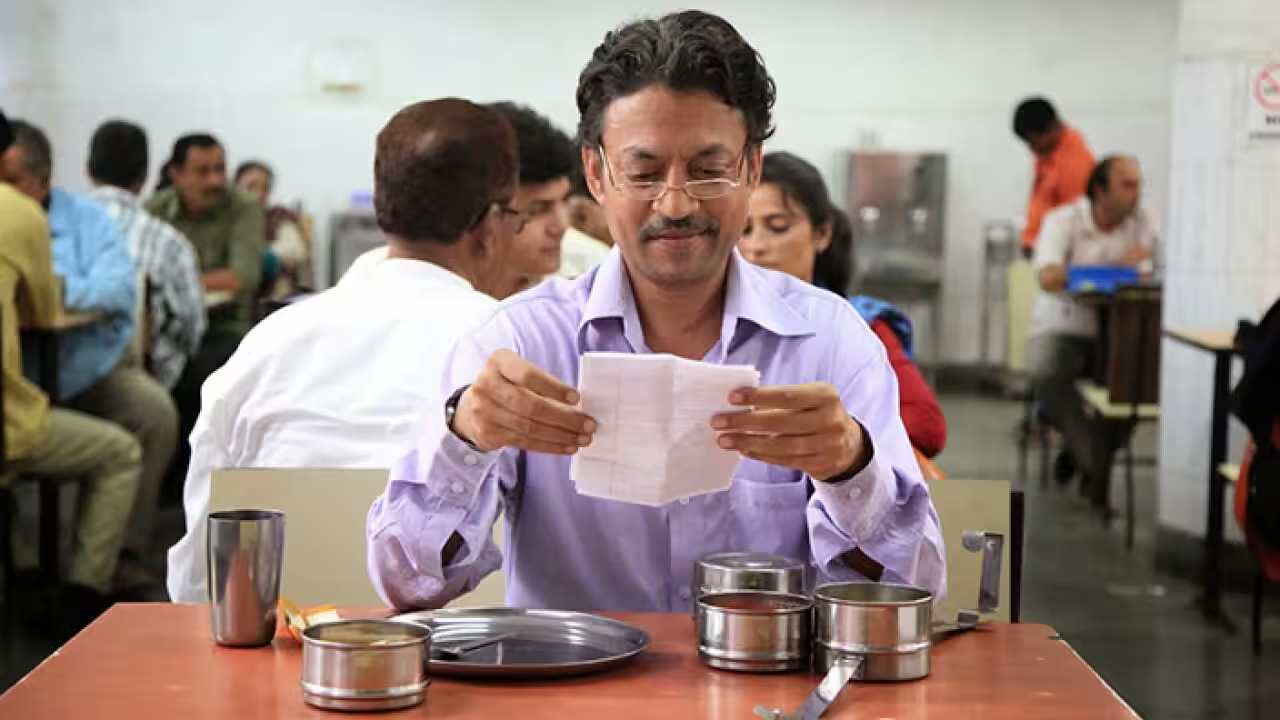
In cinema, food is no longer just a decorative element—it has evolved into a full-fledged narrative device. Whether it’s the steaming ramen in Tampopo (1985), the sumptuous feasts of Babette’s Feast (1987), or the humble parathas in The Lunchbox (2013), cuisine often carries emotional, cultural, and even political weight.
Indian cinema, too, has embraced food as a narrative engine—from the jalebis symbolising longing in Bareilly Ki Barfi to Cheeni Kum.
Food as a Cultural and Emotional Translator
Across global film industries, food bridges cultural gaps:
- In Crazy Rich Asians, dumplings become a metaphor for family tradition and generational conflict.
- In Julie & Julia, cooking isn’t just about recipes—it’s about purpose, identity, and resilience.
- In Indian films, food often reflects socio-economic divisions (Stanley Ka Dabba) or romance (Raja Hindustani’s shared ice cream).
Critics argue that while romance and action often dominate the big screen, food manages to make stories universally relatable—because we all eat, but we eat differently.
The Politics on the Plate
Food in films isn’t always innocent. The choice of cuisine, setting, and dining rituals can make strong political statements:
- Regional dishes in Indian films can signal identity pride or cultural assertion.
- The deliberate inclusion or exclusion of certain foods sometimes reflects subtle commentary on class, religion, or nationalism.
- In some cases, food scenes have been flashpoints for censorship debates, such as depictions of beef in certain regional films.
When cinema uses food politically, it doesn’t just feed characters—it feeds discourse.
Why Filmmakers Keep Returning to the Table
According to film analysts, food’s cinematic power lies in its multisensory impact:
- Visual appeal – Colours, textures, and steam make dishes visually magnetic.
- Emotional triggers – Viewers can almost “taste” nostalgia.
- Symbolism – A simple chai can stand for love, rebellion, or comfort.
Vivek Agnihotri, in his essay on iconic Indian movie foods, notes that “a plate in cinema is never just a plate—it’s a plot device, a cultural ambassador, and often, a silent but loud character.”
Final Thought
In a world obsessed with box office numbers, maybe filmmakers should worry less about CGI explosions and more about chaat masala explosions. After all, the last time a movie made audiences collectively hungry—The Lunchbox—it also made them feel something real.
Release your inner critic next time you see food on screen. Ask yourself: Is it just there to make you hungry, or is it telling you something deeper?
By – Nikita