


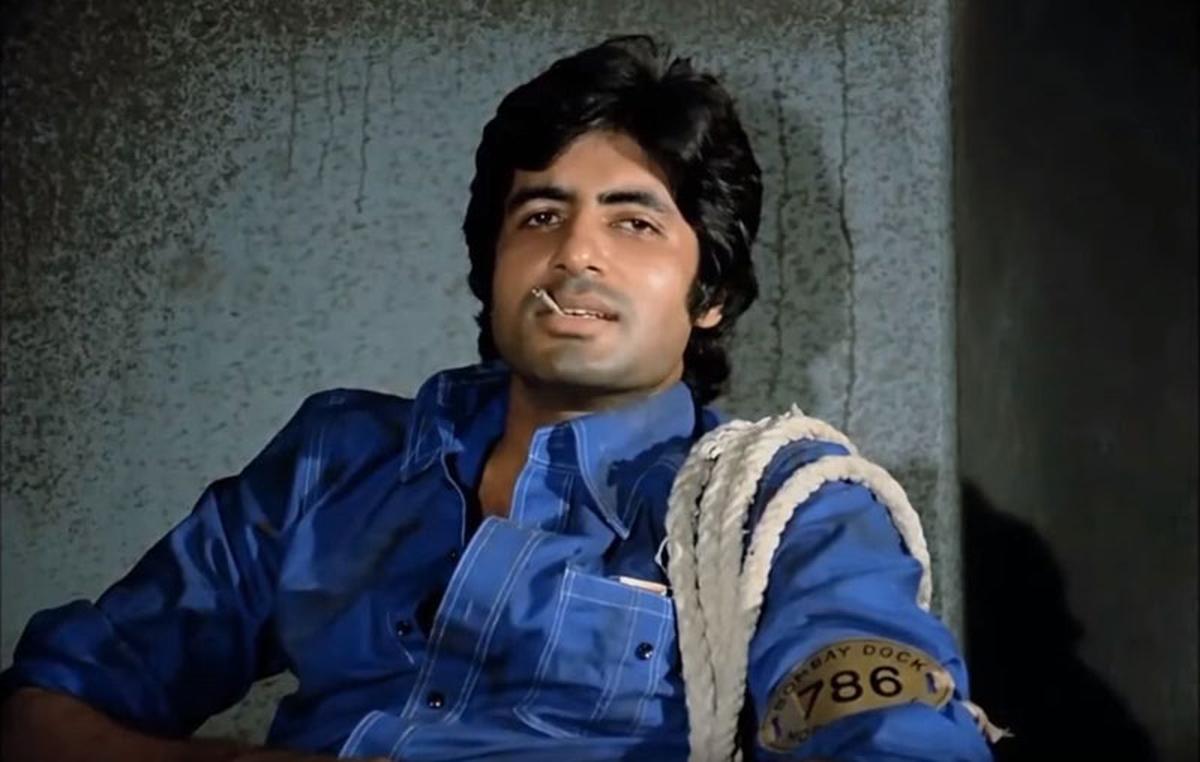
As the world observes International Men’s Day with this year’s theme “Celebrating Men and Boys,” Bollywood’s evolving portrayal of masculinity mirrors a profound societal shift. What began with the clenched fists and smoldering anger of the 1970s has transformed into nuanced portrayals of men who aren’t afraid to cry, nurture, or embrace vulnerability. This evolution reflects changing attitudes toward what it truly means to be a hero in contemporary India.
The Birth of the Angry Young Man
The foundation of modern Bollywood masculinity was laid in 1973 when Prakash Mehra’s Zanjeer shattered the romantic hero mold. Amitabh Bachchan’s portrayal of Inspector Vijay Khanna as brooding, intense, and seething with righteous fury gave voice to a generation grappling with unemployment, corruption, and disillusionment.
Behind this iconic persona were screenwriters Salim-Javed, who channeled the despair of 1970s India into powerful cinema. Their trademark character ‘Vijay’ became the “perfect representation of dissent,” as filmmaker Varun Grover noted. Films like Deewar (1975) further cemented this archetype, exploring the agony of poverty and the personal cost of injustice with unprecedented emotional depth.
The Angry Young Man wasn’t just entertainment; he was a cultural phenomenon reflecting the “angry, despairing decade” when standing in line for rations was daily reality and it took six years to get a gas connection.
The Romantic Interlude
The 1990s witnessed a dramatic shift as Shah Rukh Khan redefined the Hindi film hero. While he began with dark anti-hero roles in Baazigar (1993) and Darr (1993), it was his pivot to romance that transformed Bollywood.
Dilwale Dulhania Le Jayenge (1995) introduced a new masculine ideal: charming, respectful, and deeply emotional. SRK’s characters showcased vulnerability and sensitivity that had been absent from traditional male representations. This wasn’t weakness; it was a redefinition of strength that resonated with audiences in a rapidly liberalizing India.
“SRK’s appeal was augmented by his ability to engage in nuanced performances that blurred the lines between traditional and modern values,” observed scholars studying his impact. His willingness to portray pain and vulnerability in films like Kal Ho Naa Ho and Veer-Zaara brought emotional gravitas that paved the way for multi-dimensional masculinity.
Breaking the Macho Mold
The 2000s introduced heroes who challenged hypermasculine stereotypes even further. Films like Jaane Tu… Ya Jaane Na (2008) presented Jai Singh Rathod – non-violent, sensitive, and gentle as the perfect “green flag” before the term entered pop culture.
Imran Khan’s Jai was revolutionary: he cooked, shared household chores without spectacle, and diffused confrontations with wit rather than fists. Raised by a single mother as a pacifist, he represented a direct challenge to toxic masculinity. Similarly, Wake Up Sid (2009) showcased a male protagonist finding himself without resorting to aggression.
Rajkummar Rao emerged as the champion of understated masculinity. His performance in Newton (2017) as an idealistic government clerk offered a nuanced alternative to the Angry Young Man, showcasing high idealism and revolutionary fervor alongside the fears of an ordinary citizen. In Shahid (2012), he portrayed real-life lawyer Shahid Azmi with conviction that proved everyday heroes need no biceps to inspire.
The Modern Sensitive Hero
Today’s Bollywood increasingly celebrates male leads who embody empathy and emotional intelligence. Vicky Kaushal’s performances in Masaan (2015), Sardar Udham (2021), and Sam Bahadur (2023) blend intensity with vulnerability. His grounded personality and sincerity on-screen have made him one of the most relatable stars.
Ayushmann Khurrana has carved a niche with films exploring male insecurities and societal taboos from erectile dysfunction to baldness, normalizing conversations about men’s struggles. Ranveer Singh’s Jayeshbhai Jordaar (2022), despite its commercial failure, presented an “unlikely hero” who was “sensitive and compassionate” and believed in gender equality in a patriarchal society.
The 2023 biographical drama 12th Fail, featuring Vikrant Massey, celebrated a common man’s determination without resorting to typical heroics. His portrayal of IPS officer Manoj Kumar Sharma resonated deeply through its realistic, emotionally honest storytelling.
The Ongoing Debate
The evolution hasn’t been linear. Films like Kabir Singh (2019) and Animal (2023) sparked fierce debates about toxic masculinity. While Ranbir Kapoor defended Animal as starting “a healthy conversation about toxic masculinity,” critics argued such portrayals glorify problematic behavior.
“There is a very healthy conversation that has started about toxic masculinity,” Kapoor stated, adding that showing what’s wrong is necessary for societal progress. Yet many remain unconvinced, highlighting the responsibility actors bear in shaping cultural attitudes.
Redefining Masculinity
On this International Men’s Day, Bollywood actors are voicing support for healthier masculinity. Abhay Verma observed that today’s men show better understanding toward women, with improved comfort discussing sensitive topics. Aham Sharma emphasized that “masculinity isn’t about being unshakeable; it’s about being human.”
“Men have been conditioned to believe that showing emotions is a sign of weakness. But being honest about your feelings takes immense strength,” declared actor Rajendra Chawla, urging men to redefine masculinity as “a blend of responsibility, empathy, and openness.”
The transformation from the Angry Young Man to the Sensitive Hero isn’t about replacing one stereotype with another. It’s about expanding the definition of heroism to include emotional courage alongside physical bravery. As Bollywood continues evolving, it reflects and shapes a society learning that true strength lies not in suppressing emotions, but in embracing them.
From the rage-filled streets of 1970s Bombay to the emotionally articulate characters of today, Bollywood’s male leads have traveled a remarkable journey. As we celebrate men and boys this International Men’s Day, perhaps the greatest evolution is recognizing that heroes come in many forms, and sometimes, the bravest thing a man can do is simply be human.
By – Sonali