


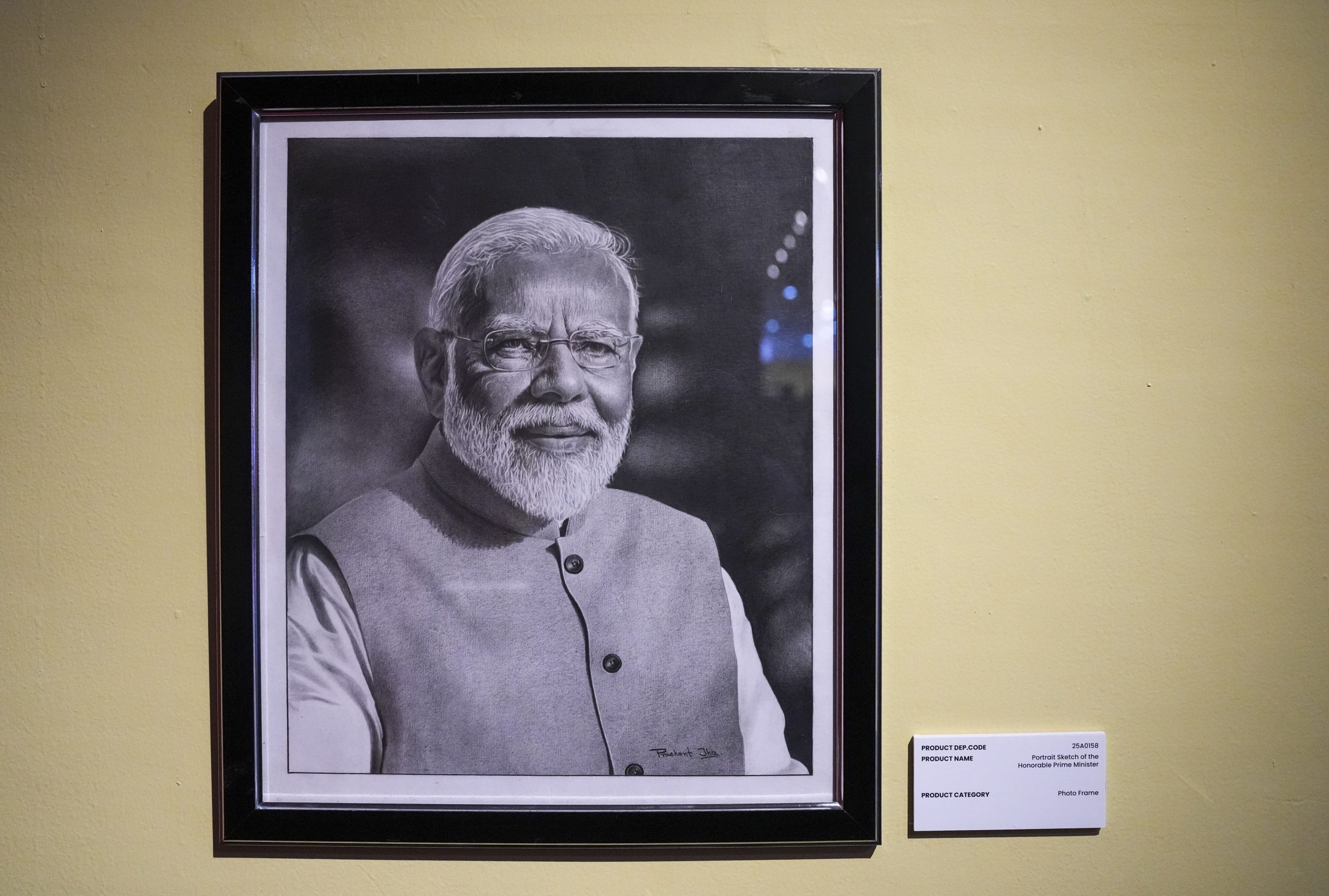
Narendra Modi’s journey from a tea seller in Vadnagar to India’s prime minister mirrors a classic Bollywood rags-to-riches saga, captivating filmmakers and audiences alike in the ₹101 billion entertainment industry. Born in 1950, Modi’s rise through RSS ranks, Gujarat’s chief ministership, and three-term premiership since 2014 has inspired biopics, documentaries, and pop culture references. From the 2019 film PM Narendra Modi to viral social media memes, his persona—bolstered by campaigns like “Chai Pe Charcha”—blends politics with cinematic flair, aligning with Bollywood’s patriotic wave and resonating with 467 million social media users across India’s 780-language diversity.
A Bollywood-Worthy Journey
Modi’s life reads like a screenplay: a boy from a modest Gujarati family, helping at his father’s tea stall, embarks on a spiritual quest, joins the RSS, and transforms into a global leader. His early years, selling tea near Vadnagar’s railway station, echo the underdog spirit of Bollywood classics like Deewar. Joining the RSS in 1971, he honed discipline and oratory, becoming Gujarat’s CM in 2001 and PM in 2014 via the “Chai Pe Charcha” campaign—a masterstroke of relatability, hosting tea stall talks nationwide. This narrative of grit, from poverty to power, fuels cinematic portrayals, with initiatives like “Make in India” and “Digital India” inspiring scripts about ambition and nation-building.
Biopics and Screen Portrayals
The 2019 biopic PM Narendra Modi, starring Vivek Oberoi and directed by Omung Kumar, captures this arc, released strategically during election fever to amplify Modi’s image. The film, which grossed ₹23 crore, traces his journey from chaiwala to Prime Minister, emphasizing his days in the RSS and Gujarat’s development; however, critics like India Today have called it “propagandistic” for glossing over controversies such as the 2002 riots. The Eros Now series Modi: Journey of a Common Man (2019, 10 episodes) delves deeper, with Ashish Sharma portraying Modi’s early struggles and “Chai Pe Charcha” as a cinematic campaign. Documentaries like Man With a Mission and short films on YouTube highlight his speeches, while animated videos, like those on BJP’s YouTube channel, stylize him as a heroic figure, embedding him in pop culture alongside stars like Shah Rukh Khan.
Patriotism and Policy in Cinema
Modi’s tenure has fueled a patriotic cinematic surge, with films like Uri (2019) and Article 370 (2024) reflecting his government’s assertive nationalism. Slogans like “Make in India” and “New India” inspire scripts, as seen in Swades 2 (2024), where a tech entrepreneur returns to empower rural India, echoing Digital India’s ethos. Modi’s speeches, with their rhythmic cadence, have been remixed into viral rap tracks on Instagram Reels, blending politics with entertainment. Parodies, like those by comedian Kunal Kamra, add humor but also critique, showing Modi’s polarizing appeal—hero to supporters, villain to detractors.
Social Media: The Hero-Villain Divide
On X and Instagram, Modi is a meme magnet, styled as a Bollywood hero in fan edits with Baahubali-esque grandeur or satirized as a villain in opposition-driven content. Posts like “Chaiwala to PM: Modi’s Blockbuster Life” trend during elections, while critics mock policies with Dabangg-style memes. “Chai Pe Charcha,” launched in 2014, felt like a movie promotion, with tea stalls doubling as campaign sets, a gimmick that fueled his relatable image but drew flak for theatricality. These digital portrayals amplify his persona, making him a cultural icon in a divided narrative.
A Cinematic Legacy
Modi’s journey, with its underdog-to-leader arc, fits Bollywood’s love for transformation tales. While biopics get right his inspirational rise, they often sideline complexities, risking hagiography. In India’s diverse cultural landscape, his cinematic depictions ask: Can films balance truth with admiration? As memes, remixes, and patriotic films thrive, Modi’s story remains a silver screen epic, proving politics and cinema are inseparable.
-BY Manoj H