


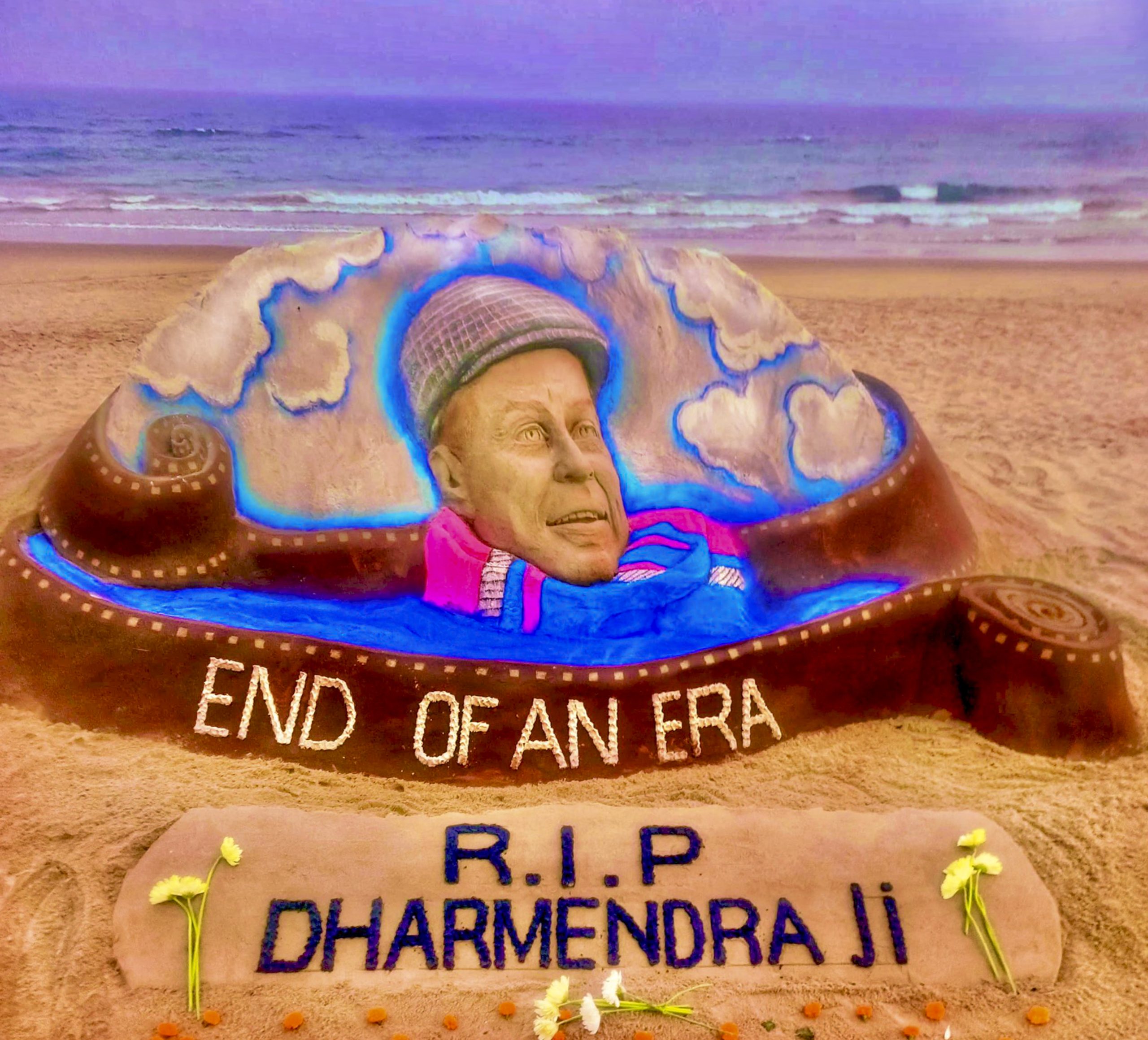
On November 24, 2025, Indian cinema paused to celebrate – and mourn – the life of Dharmendra, the man who redefined stardom across six decades. From the raw, shirt-ripping intensity of Phool Aur Patthar (1966) to the tender, teary-eyed patriarch in Rocky Aur Rani Kii Prem Kahaani (2023), Dharmendra’s screen evolution mirrors the emotional growth of the nation itself. He began as the angry young man before Amitabh Bachchan, became the romantic hero who could fight ten goons single-handed, and quietly matured into Hindi cinema’s most lovable grandfather – all while never losing the spark that made him “Garam Dharam”.
1960s-70s: The Birth of the Action-Romance Icon
When Dharmendra ripped off his shirt in Phool Aur Patthar – India’s first film to cross ₹1 crore in its opening week – he created the blueprint for the desi action hero: muscular, righteous, and irresistibly romantic. Films like Aaya Sawan Jhoom Ke (1969), Mera Gaon Mera Desh (1971), and the blockbuster Sholay (1975) cemented him as the only star who could romance Hema Malini in one reel and thrash dacoits in the next. Veeru wasn’t just a character; he was Dharmendra’s personality on steroids – loud, loyal, and larger than life.
1980s: The Reluctant Superstar Era
By the 80s, action shifted to Amitabh Bachchan, yet Dharmendra refused to fade. He pivoted to multi-starrers (Naseeb, Samraat) and rural dramas (Hukumat, Batwara), proving he could carry a film on his shoulders even at 50. Off-screen, his marriage to Hema Malini in 1980 added a real-life romantic chapter that the public devoured.
1990s-2000s: The Dignified Father Figure
As age arrived, Dharmendra embraced it with grace. In Apne (2007), he played a boxing coach living through his sons – a role that felt autobiographical. His chemistry with Sunny and Bobby Deol gave audiences tear-jerking family dramas that still trend on streaming platforms every Father’s Day.
2010s-2020s: The Grand Return and Emotional Reinvention
After a quiet phase, Dharmendra stormed back with Yamla Pagla Deewana (2011), proving he could do slapstick at 75. But the true masterstroke came in Karan Johar’s Rocky Aur Rani Kii Prem Kahaani (2023). As Kanwal Lund, a Punjabi patriarch rediscovering love after decades, Dharmendra delivered a performance of heartbreaking tenderness – sharing the screen (and a kiss) with Shabana Azmi at 87. Critics called it “the most progressive romantic role ever played by an octogenarian in Hindi cinema”.
The Common Thread: Vulnerability Beneath the Machismo
Whether lifting Meena Kumari in Phool Aur Patthar, crying over his sons in Apne, or blushing like a teenager in Rocky Aur Rani, Dharmendra’s greatest strength was never the biceps – it was the ability to cry convincingly. He was the rare Hindi film hero who made emotional openness look masculine.
A Legacy in Three Frames
- 1966: Shirt off, fists clenched – the birth of Garam Dharam
- 2007: Eyes wet, voice breaking – the father every son wishes for
- 2023: Smiling through tears opposite Shabana – the lover who never stopped believing
From Phool to Patthar, from Veeru to Kanwal Lund, Dharmendra didn’t just act – he aged with India, teaching generations that a real hero can be angry, romantic, funny, and fragile – often in the same film. Rest in glory, He-Man. The screen will never quite fill the space you left.
-By Manoj H