


Indian cinema’s visual effects journey unfolds like a time-traveling saga, from the quirky 1990s magic of Shaktimaan to the mind-bending spectacles of Brahmastra and Kalki 2898 AD. In the bustling studios of Mumbai and Hyderabad, where pioneers once stitched together rudimentary CGI, today’s filmmakers wield Oscar-winning tools to craft dystopian epics. This evolution, spanning decades, reflects a nation’s leap from modest television sets to global silver screens. A hunger for grandeur, fueled by a tech-savvy audience of 900 million internet users, has pushed boundaries. Through sheer innovation, cultural pride, and a dash of Bollywood bravado, this transformation ignites debates on X with #VFXEvolution.
The 90s: A Humble Canvas of Imagination
A young Ravi, glued to his black-and-white TV in 1997, marveling at Shaktimaan’s Mukesh Khanna soaring with blocky CGI wings, battling villains with pixelated blasts. This Doordarshan superhero, India’s answer to Superman, relied on rudimentary green screens and stop-motion tricks, costing a mere Rs 2-3 lakh per episode. Then came Koi… Mil Gaya (2003), a late-90s trailblazer, where Hrithik Roshan’s Jadoo—a clunky, hand-animated alien—stumbled into hearts with a Rs 35 crore budget, including VFX by British firm UPP. The effects, though charmingly dated, sparked awe in a pre-digital India. For Ravi, now a 35-year-old graphic designer, those moments were raw magic, unpolished but soulful.
The 2020s: A Galactic Leap Forward
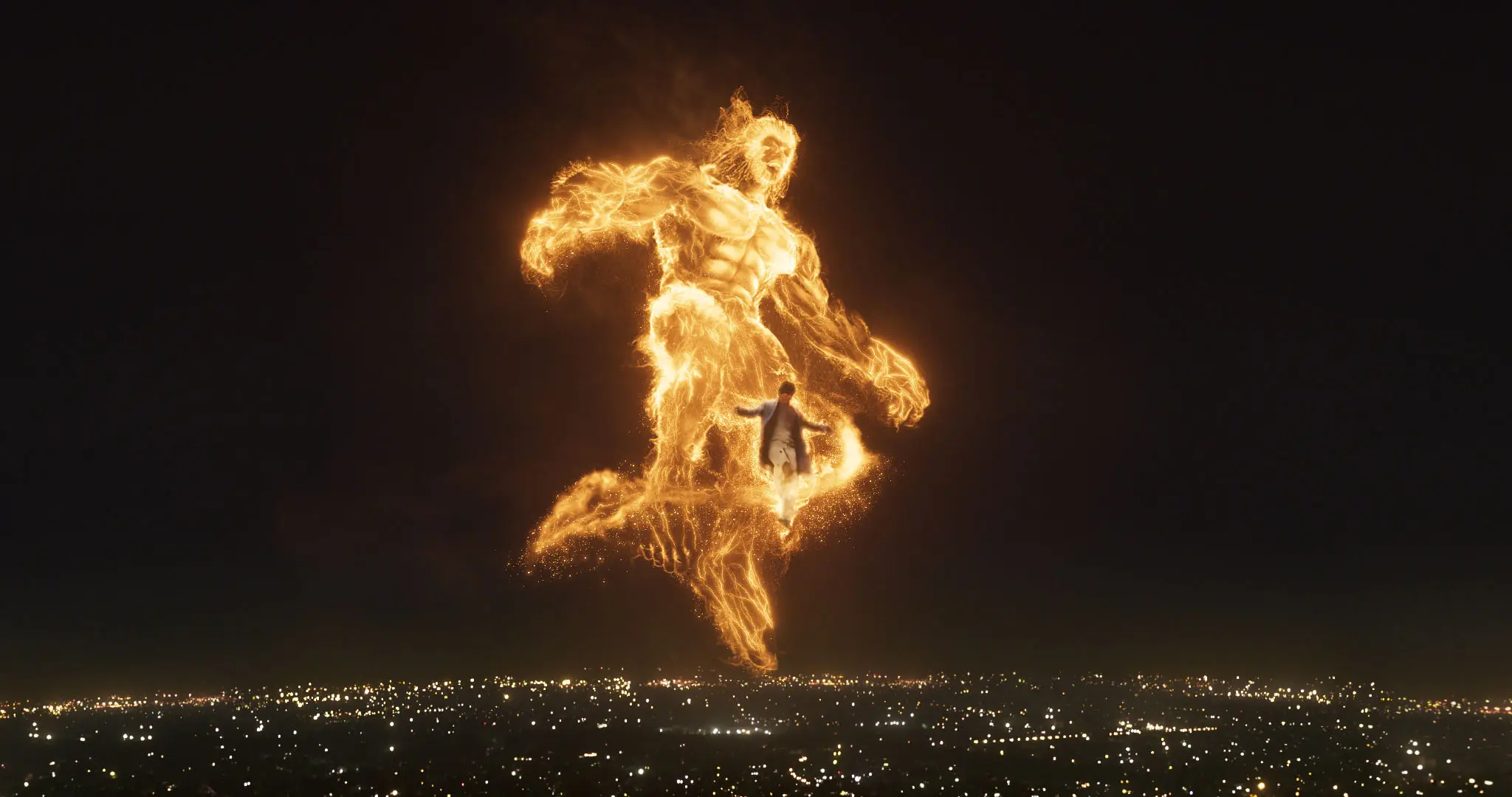
Fast forward to 2022, and Brahmastra dazzled with 4,500 VFX shots—outpacing Avengers—crafted by Ayan Mukerji’s team over eight years, costing Rs 375 crore. Ranbir Kapoor’s fiery Shiva and Alia Bhatt’s ethereal Isha danced in a fantasy world rivaling Lord of the Rings. Then, Kalki 2898 AD (2024) raised the bar, pouring Rs 150 crore of its Rs 600 crore budget into VFX, with Mahindra-built futuristic vehicles and Amitabh Bachchan’s towering Ashwatthama. Directed by Nag Ashwin, its post-apocalyptic Kashi blended Mahabharata with sci-fi, earning a 7.7 IMDB rating.
The Creative Chasm
The 90s VFX were a labor of love, constrained by budgets and technology—Shaktimaan’s jerky flights versus Koi… Mil Gaya’s pioneering motion capture. Today, DNEG’s Oscar-winning expertise in Kalki and Brahmastra delivers seamless realism, with 3D models and AI enhancements. The contrast is stark: a 1997 episode took days to render, while Kalki’s climax took months but looks like a Hollywood blockbuster. This evolution mirrors India’s tech boom, yet critics argue the 90s’ heart—its imperfections—got lost in the 2020s’ polish.
Provoking the Future
This shift reflects more than tech—it’s cultural. The 90s catered to a nation building identity, using VFX to dream locally. The 2020s chase global validation, with Kalki’s Rs 700 crore haul challenging Avatar. But the industry’s Rs 835 crore Ramayana (2025) looms, promising to outshine all, raising stakes.
-By Manoj H