


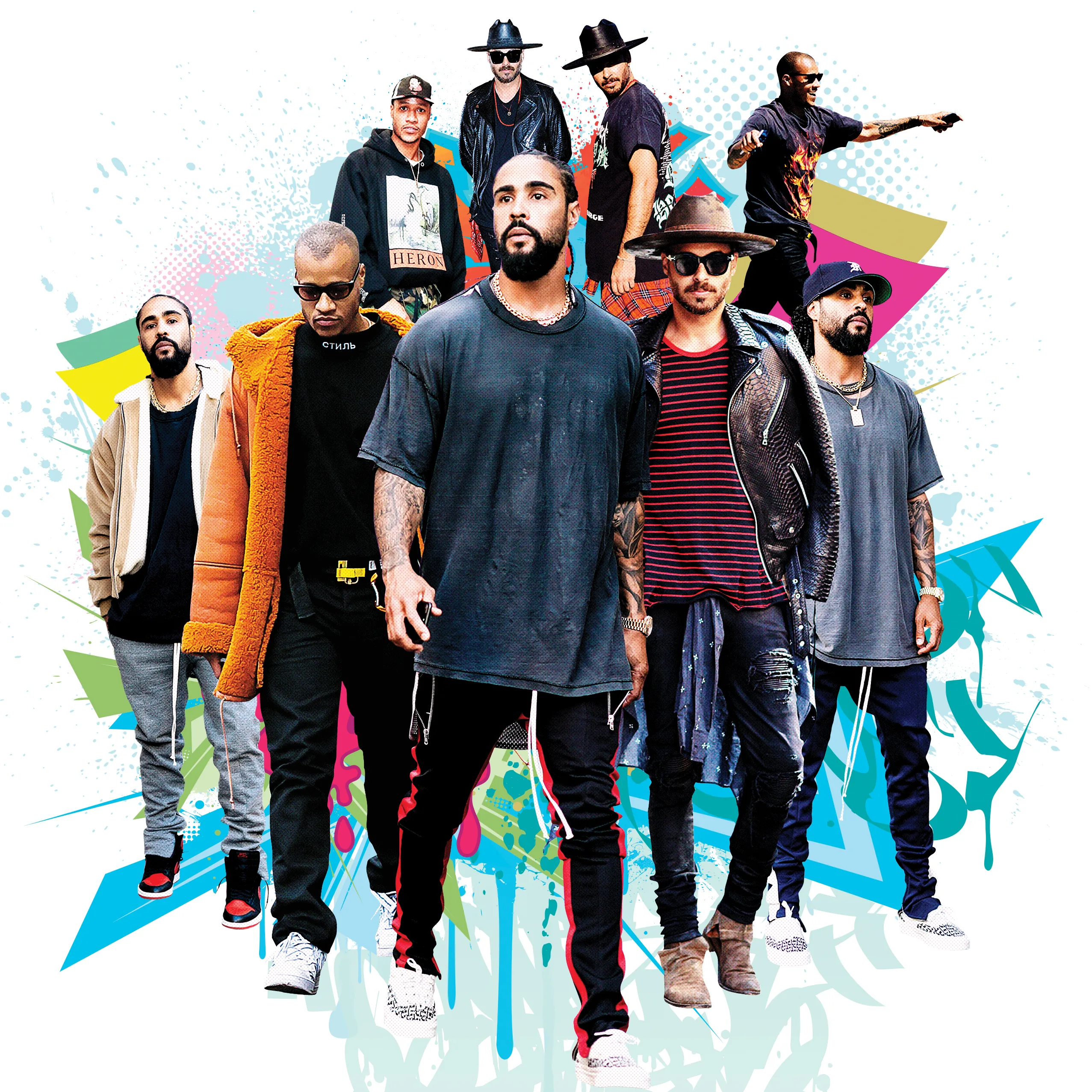
In 2025, India’s $124.4-billion apparel market is witnessing a seismic shift as streetwear, once a niche subculture, ascends to luxury status, captivating 4–5 lakh Gen Z and millennial trendsetters in cities like Mumbai, Delhi, and Bengaluru. Brands like Huemn, Almost Gods, and global giants like Supreme blur the lines between urban grit and high fashion, driven by social media and a youth craving individuality. Streetwear’s blend of comfort, rebellion, and exclusivity resonates with India’s aspirational culture. Through limited-edition drops, celebrity endorsements, and cultural fusion, it’s redefining luxury, as #StreetwearIndia trends on X.
In This Article:
- Roots of a Revolution
- The Luxury Crossover
- Human Stories and Cultural Impact
- The Future of Street-Luxe
Roots of a Revolution
Streetwear’s journey in India began in the 1980s, inspired by hip-hop’s rise, with baggy tees and sneakers emulating Western icons. By the 2010s, social media, especially Instagram, fueled its growth, with 80% of urban youth engaging with fashion content, per a 2024 IAMAI survey. Local brands like Jaywalking and Nought One infused desi elements—Hindi typography, block prints, and Bollywood-inspired graphics—into oversized hoodies and cargos, creating a unique “street-luxe” aesthetic. Ranveer Singh, spotted in Gucci x Adidas, became a hypebeast icon, amplifying streetwear’s cool factor.
The Luxury Crossover
The turning point came when global luxury houses embraced streetwear. Louis Vuitton’s 2017 Supreme collaboration and Dior’s Jordan tie-up set a precedent, with Indian designers following suit. Rare Rabbit blends premium fabrics with street style, while Almost Gods weaves mythology into bold graphics, selling at prices rivaling Chanel tees. The resale market, led by platforms like Superkicks, thrives on limited-edition Yeezys and Nike Dunks, with some sneakers fetching Rs. 1 lakh. This exclusivity, coupled with 25% growth in luxury T-shirt sales, per Bain & Company, cements streetwear’s high-end status.
Human Stories and Cultural Impact
For 22-year-old Ayesha from Bengaluru, a student and part-time influencer, streetwear is identity. “Wearing Huemn’s mud-textured jacket feels like art, not just clothes,” she told The Hindu, echoing 70% of Gen Z valuing self-expression, per YouGov 2024. Yet, challenges persist: high prices exclude rural youth, with only 24% internet access, per inc42.com, and fakes flood markets. Designers like Dhruv Khurana of Almost Gods counter this by prioritizing authenticity, using sustainable fabrics, and using small-batch production.
The Future of Street-Luxe
India’s streetwear market, projected to grow at a 10% CAGR by 2029, is poised for global impact. Brands like Vastrado, fusing traditional textiles with urban flair, and events like Sneaker Pimps in Delhi signal a maturing scene.
-By MANOJ H