


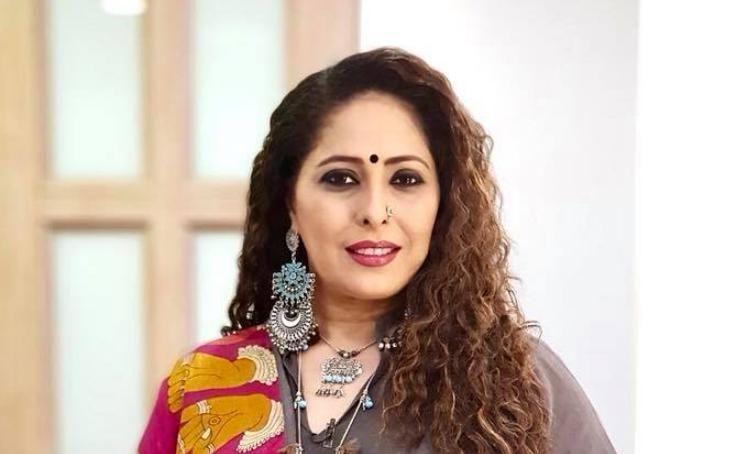
Renowned choreographer Geeta Kapoor, affectionately known as ‘Geeta Maa’ across Indian households, has announced her definitive decision to step away from Bollywood, confirming she has no plans for a comeback. This pivotal announcement marks a significant moment for an artist who has profoundly shaped dance in Indian cinema and television for decades, and it invites a deeper examination of the evolving dynamics within the entertainment industry.
In This Article:
The Rhythm of Discontent: Reasons Behind Her Departure
Kapoor’s departure is driven by a confluence of factors, primarily rooted in the changing landscape of Bollywood film production. A key reason is the noticeable decline in traditional cinematic opportunities. She has observed that contemporary films no longer feature the elaborate and numerous song-and-dance sequences that were a hallmark of earlier eras, where films often included 8-10 songs. This reduction in musical numbers has led to a “shortage of work” for choreographers specializing in this traditional format, directly impacting their professional avenues.
Beyond the scarcity of work, a strong desire for creative autonomy influences her decision. Kapoor has expressed an unwillingness to work under “restrictions,” preferring “creative work” over what she describes as “copy-paste” assignments. This indicates a growing frustration with a creative environment where artistic expression might be constrained by commercial demands or repetitive formats.
A profound source of disillusionment for Kapoor is the burgeoning trend of “follower-based casting” within the industry. She finds this practice “very screwed up” and inherently unfair, noting that social media following frequently outweighs genuine talent, skill, and professional qualifications in securing roles. She contrasts her own arduous journey of 8-10 years to build 2.3 million followers with others seemingly gaining 23 million overnight, highlighting her concern for artists who meticulously hone their craft. This shift in the industry’s business model suggests a trend where artistic integrity and traditional craft are increasingly overshadowed by commercial viability and digital metrics.
A Legacy in Motion: From Dancer to ‘Geeta Maa’
Geeta Kapoor’s illustrious journey in dance began at 17, when she joined Farah Khan’s troupe, assisting in iconic Bollywood films like Kuch Kuch Hota Hai, Dil Toh Pagal Hai, and Main Hoon Na. She also assisted on the hit song ‘Sheila Ki Jawani’. As a lead choreographer, her notable works include
Fiza (2000), Asoka (2001), Saathiya (2002), and Heyy Babyy (2007). Beyond films, she choreographed award ceremonies and the Pepsi IPL 2013 opening ceremony.
Her career trajectory vividly illustrates the evolving avenues available to dance professionals in India. A pivotal shift, which propelled her into wider public recognition, was her debut as a judge on Dance India Dance (season 1) in 2008. This role cemented her status as a household name and earned her the affectionate moniker “Geeta Maa.” Her empathetic yet discerning judging style resonated deeply with audiences. She continued to serve as a judge and mentor across multiple seasons of
Dance India Dance, DID Li’l Masters, India’s Best Dancer, and Super Dancer through 2024 , solidifying her position as a beloved and respected figure in Indian television. This successful transition from traditional film choreography to highly visible and influential roles in reality television allowed her to sustain and amplify her influence in the dance world in a different capacity.
Voice of Experience: Insights on the Dance Industry’s Evolution
Despite her current disillusionment with specific Bollywood trends, Geeta Kapoor has consistently expressed immense satisfaction and pride in the overall growth of dance as a viable career option in India. She has observed that dance, once not considered a “respectable” or “feasible” profession, has undergone a significant transformation. Today, more individuals are actively pursuing careers as choreographers, dancers, and assistants, a testament to increased training, formal learning, and societal acceptance of dance as a serious and rewarding art form.
Throughout her extensive tenure as a judge on various dance reality shows, Kapoor has consistently championed the preservation and recognition of classical Indian dance forms. She has stated her deliberate aim to “pump in classical dancing” and ensure its visibility, viewing it as a form that is regrettably “lost somewhere” amidst modern influences. Her efforts on national television underscore her commitment to keeping the charm and integrity of traditional dance alive for new generations. Her unwavering commitment to the authenticity of her craft is further highlighted by her refusal to merely lend her name as a “face” to dance academies without actively participating in the teaching process, stating that such an arrangement “felt like cheating”. This demonstrates her strong ethical principles and dedication to genuine, hands-on involvement.
A New Chapter for ‘Geeta Maa’
Geeta Kapoor’s definitive departure from Bollywood is driven by a confluence of factors: the changing landscape of film production, a profound desire for creative freedom, and a principled critique of modern casting practices that prioritize social media influence over genuine talent. This decision, however, should not be viewed as a retirement from the dance world, but rather as a strategic realignment of her career towards platforms and opportunities that align more closely with her artistic values and offer sustained creative fulfillment.
Her enduring legacy extends beyond her highly skilled choreography; she is a beloved television personality, ‘Geeta Maa,’ who has mentored countless aspiring dancers and brought the art form into millions of homes. Her current contentment and belief in making way for new talent signal a graceful and conscious transition from one significant chapter of her career to embrace new possibilities. This pivot is likely to continue within the television and broader dance education spheres, where her expertise is highly valued and her artistic integrity can be maintained and celebrated without the perceived compromises of the traditional film industry. This pattern underscores that artists, especially seasoned professionals, are increasingly empowered to select their platforms based on creative alignment and personal values, rather than being solely dictated by traditional commercial opportunities.
By – Sonali