


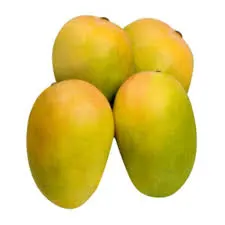
The Gir Kesar mango, often hailed as the “Queen of Mangoes,” is a prized variety cultivated in the foothills of the Girnar hills in Gujarat, India. Renowned for its vibrant saffron-colored pulp, unparalleled sweetness, and captivating aroma, this mango has not only won hearts domestically but has also carved a niche in international markets.
In This Article:
Origins and Historical Significance
A Legacy Rooted in Junagadh
The journey of the Gir Kesar mango began in 1931 when Wazir Saleh Mohammad of Vanthali, Gujarat, discovered a unique mango seedling in Mangrol, Junagadh district. Recognizing its exceptional qualities, he propagated this variety, which soon gained popularity among local farmers. The mango earned its name “Kesar” in 1934 when the Nawab of Junagadh, upon observing its deep orange pulp, exclaimed “This is Kesar,” likening it to saffron.
Geographical Indication (GI) Status
Recognition and Protection
In 2011, the Gir Kesar mango was granted the Geographical Indication (GI) tag by the Geographical Indication Registry in Chennai. This status ensures that only mangoes cultivated in the designated regions of Gujarat, particularly around the Gir forest, can be marketed as “Gir Kesar.” This not only preserves the authenticity of the mango but also protects the interests of local farmers.
Cultivation and Harvesting
Ideal Growing Conditions
The Gir Kesar mango thrives in the foothills of the Girnar hills, encompassing areas like Junagadh, Amreli, and Gir Somnath districts. The region’s unique climatic conditions, characterized by warm temperatures and well-drained soils, contribute to the mango’s distinct flavor and aroma.
Harvesting Season
The mango is typically harvested between May and July, a period eagerly awaited by mango enthusiasts. The fruit is picked at a mature green stage and then ripened naturally, ensuring optimal taste and texture.
Distinctive Features
Appearance and Taste
- Color: Bright orange to saffron-hued pulp
- Size: Small to medium, oval-shaped
- Texture: Smooth, non-fibrous flesh
- Flavor: Exceptionally sweet with a rich aroma
These characteristics make the Gir Kesar mango a preferred choice for both direct consumption and culinary applications.
Economic Impact and Exports
Boosting Local Economy
The cultivation of Gir Kesar mangoes plays a significant role in the local economy of Gujarat. With over 177,514 hectares dedicated to mango orchards, the state produced approximately 1.08 million metric tonnes of mangoes in 2024.
Global Reach
In the 2023-24 season, Gujarat exported 689.5 metric tonnes of Kesar mangoes, marking a substantial increase from previous years. The mango’s unique qualities have garnered appreciation in international markets, enhancing India’s reputation in the global fruit trade.
Health Benefits
- Rich in Vitamins: Contains vitamins A, C, E, and B6, supporting immune health and skin vitality.
- Antioxidant Properties: The mango’s vibrant color indicates the presence of beneficial antioxidants.
- Digestive Aid: High fiber content promotes healthy digestion.
Incorporating Gir Kesar mangoes into the diet offers both delightful taste and nutritional advantages.
Moving Ahead
The Gir Kesar mango stands as a testament to India’s rich agricultural heritage. Its journey from the orchards of Gujarat to international markets underscores its exceptional quality and the dedication of local farmers. As global demand continues to rise, the Gir Kesar mango not only delights taste buds but also bolsters economic growth and cultural pride.
By – Nikita