


New Delhi, Sep 2 (PTI) The Centre is likely to push for a 5 percent tax on EVs when its ambitious overhaul of the Goods and Services Tax (GST) to lower tax rates on daily use items ranging from butter to electronics is considered by the all-powerful GST Council in a two-day meeting starting Wednesday.
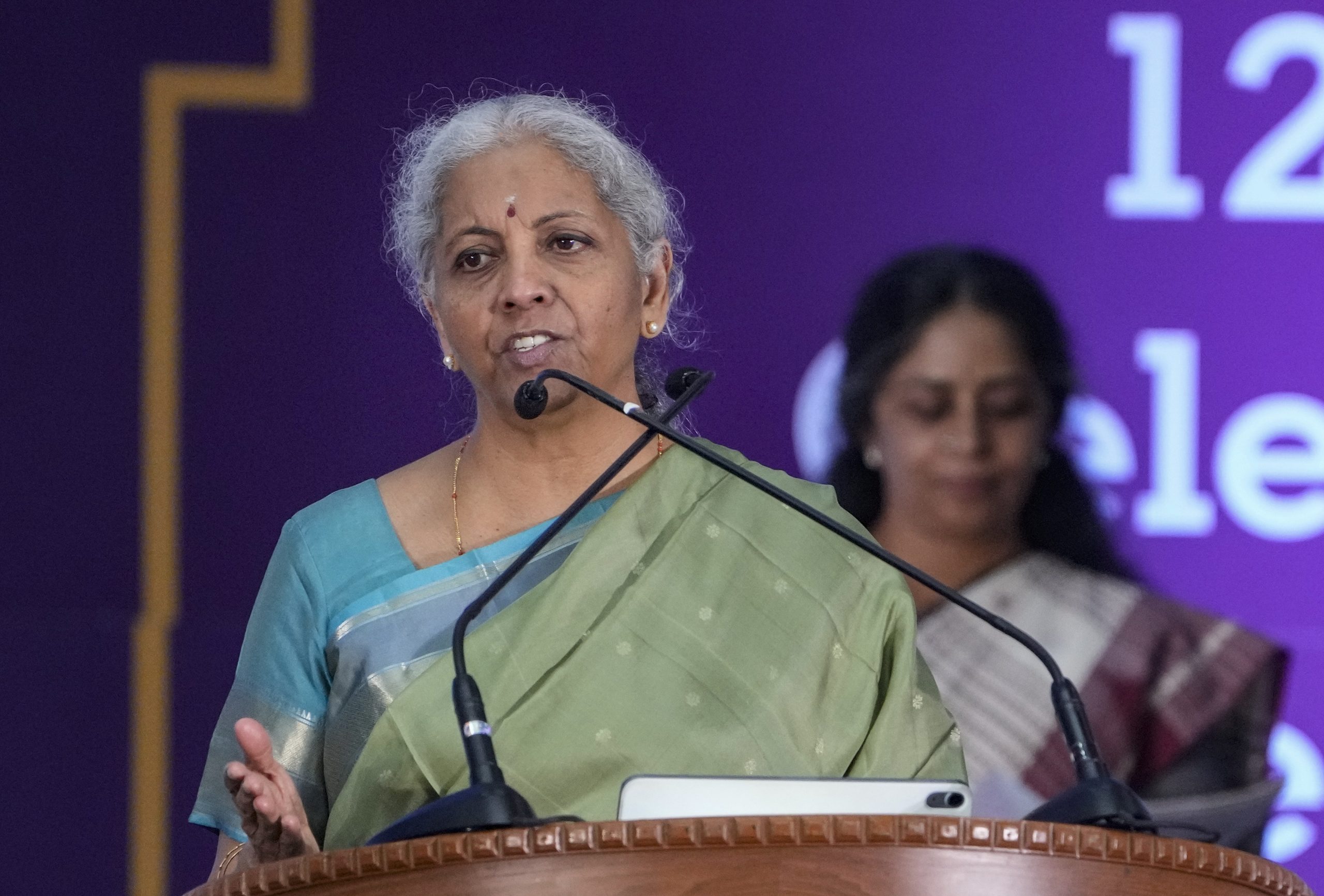
The Council, chaired by Union Finance Minister Nirmala Sitharaman and comprising ministers from all states, will discuss the Centre’s ‘next-gen’ GST reform proposal of having just two tax rates of 5 and 18 per cent by moving products from the current 12 and 28 per cent slab to lower rates. A special 40 percent rate has been proposed to be levied on a select few items.
While the pruning of the tax slabs and the resultant expected fall in prices have been welcomed, opposition-ruled states are seeking compensation for any loss of the revenue that may occur because of the rejig.
A 4-tier GST structure of 5, 12, 18, and 28 percent was implemented from July 1, 2017, when the Centre and states agreed to subsume most of their taxes, like excise duty and VAT into one uniform tax. A compensation cess in the range of 1 to 290 percent is levied on luxury and demerit goods to create a revenue pool for compensating states for the loss of revenue occurring from the exercise.
However, the compensation mechanism was for the initial 5 years ending June 2022.
Prime Minister Narendra Modi had, in his Independence Day speech on August 15, unveiled the plan for GST reforms. Shortly thereafter the central government shared a blueprint of the planned reform with a Group of Ministers (GoM) from different states for initial vetting.
The GoM has consented to the Centre’s proposal of doing away with the 12 and 28 percent slabs and reducing tax rates to benefit the common man. Its recommendations are to be considered by the Council on September 3 and 4.
While broadly agreeing with the slab changes, the GoM has favoured charging electric vehicles priced up to Rs 40 lakh with an 18 percent GST, sources aware of the matter said. The Centre, however, is keen to push EV adoption and favours a 5 percent rate, and the same stance will be pushed in the Council meeting, they said.
Most of the common-use food items like ghee, nuts, drinking water (20 litre), non-aerated drinks, namkeen; certain footwear and apparel, medicines, and medical devices are likely to move from the 12 percent to 5 percent tax slab. Common use items ranging from pencils and bicycles to umbrellas and hairpins may also move to the 5 percent slab.
Prices of electronic items like certain categories of TVs, washing machines, and refrigerators are likely to fall because they are being taxed at a lower rate of 18 percent, as opposed to 28 percent currently.
Goods like automobiles that are currently charged at the highest slab of 28 percent, plus a compensation cess, may see differential rates, with entry-level cars being charged 18 percent, while SUVs and luxury ones being put in the special 40 percent rate.
The special 40 percent rate will also be for other demerit goods like tobacco, pan masala, and cigarettes. There could also be an additional tax on top of this rate for this category.
Opposition states, like West Bengal, have demanded that any levy on top of the 40 percent rate should exclusively be for sharing with states to make up for their revenue losses.
Eight opposition-ruled states — Himachal Pradesh, Jharkhand, Karnataka, Kerala, Punjab, Tamil Nadu, Telangana, and West Bengal — have also demanded that all states be compensated for the revenue loss they incur post the implementation of the GST rejig.
These states have argued that a rejig in rates and abolition of slabs will lead to lower revenues. The Centre, however, is of the opinion that lower prices will boost consumption and mostly make up for any loss of revenue in the long run.
These states are likely to meet ahead of the GST Council meeting on September 3 to formalise their strategy on the issue.
Sources said the Centre was equally concerned about revenue implications of the GST rejig, and its GST reform proposal would ensure the least revenue disruption while easing the compliance burden for businesses.
As per the Centre’s proposal, 99 percent of the items in the current 12 percent bracket will be shifted to the proposed 5 percent slab. Besides, 90 percent of the items in the 28 percent bracket would be shifted to 18 percent. PTI JD ANZ HVA
Category: Breaking News
SEO Tags: #swadesi, #News, GST Council meets Wednesday; tax cuts on daily use items in offing