


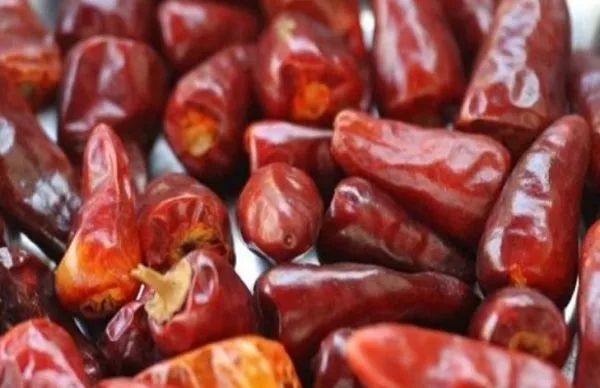
In the lateritic soils of Arambol (Harmal) in Pernem taluka, North Goa, a small but potent chilli—locally called Harmal mirsang—has long powered Goan kitchens. Its reputation was formally strengthened when Harmal Chilli received a Geographical Indication (GI) registration on 14 September 2021, legally protecting the name for chillies grown within the notified region.
Heritage and Origin
Named after its place of origin—Harmal (now Arambol)—this chilli has been cultivated in the area for over 200 years, sustained largely through household-level farming knowledge and seed preservation practices passed down across generations.
GI Recognition and What It Changes
The GI registration—granted by the Geographical Indications Registry (Chennai) under Intellectual Property India—means only chillies produced in the defined geography can be sold under the protected name “Harmal Chilli.” In practice, this helps curb mislabeling, strengthens product authenticity, and gives local growers a stronger identity in the market.
Distinctive Physical Profile
Harmal chillies are known for:
- Short length: about 2.7–3.7 cm
- Reddish-brown hue
- Thin, smooth skin (not wrinkled)
- High punch in small quantity
Heat and Nutritional Markers
On pungency, Harmal chilli averages around 28,200 Scoville Heat Units (SHU)—strong enough to deliver a sharp, lasting kick without requiring large volume in masalas.
GI-linked reports also note notable mineral presence, including potassium, iron, magnesium, calcium, and sodium.
Culinary Importance in Goan Food
In Goan gastronomy, Harmal mirsang isn’t “just heat”—it’s flavour structure. Even a small pinch can lift colour, aroma, and intensity in staples like:
- Chicken Xacuti
- Vindaloo
- Recheado masala and other masala blends
Economic and Cultural Impact
GI recognition has effectively placed Harmal chilli on the wider map of regional, origin-protected Indian spices, increasing visibility for small growers in Pernem and strengthening the cultural story around a product rooted in local soil and tradition.
Future Prospects and Challenges
Despite the GI tag, the road ahead depends on execution:
- guarding quality while scaling supply,
- improving post-harvest handling and standardised grading,
- building cooperative marketing and GI-aware buyer networks,
- and defending the GI name from misuse in wider markets.
From home gardens in Arambol to a legally protected geographical identity, Harmal chilli’s journey reflects how local agriculture, when documented and protected, can become both a cultural emblem and an economic lever for communities—without losing the taste that made it famous.
By – Sonali