


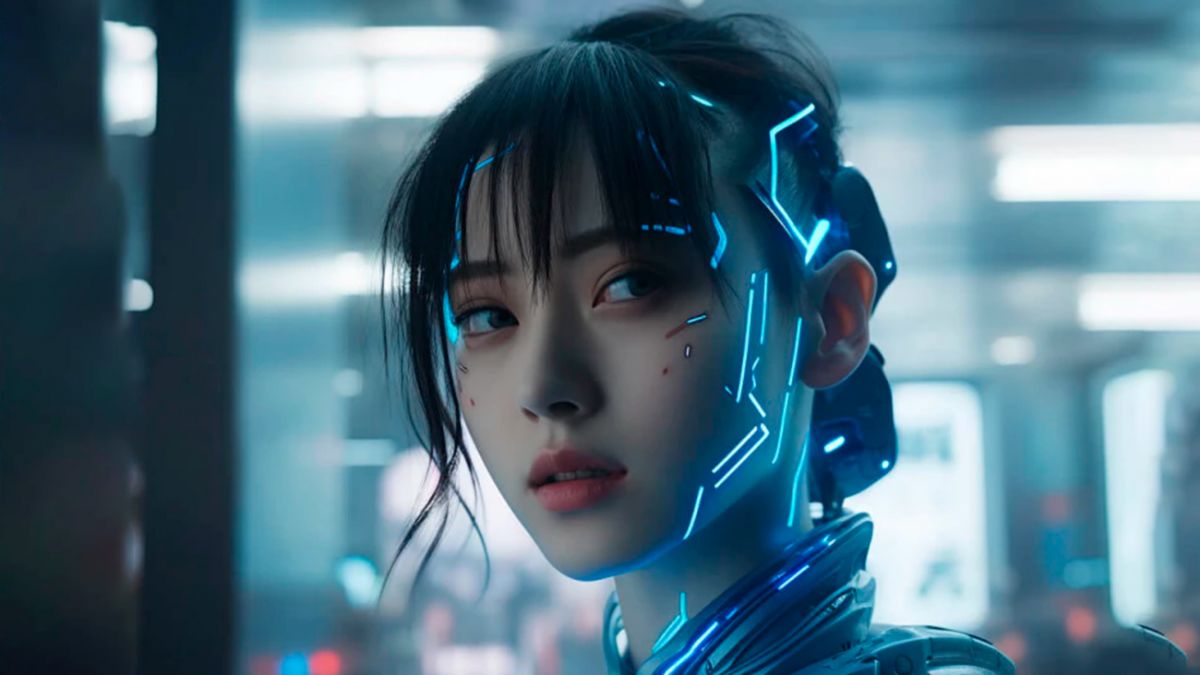
As artificial intelligence reshapes the entertainment industry, Hollywood finds itself at a crossroads. AI-generated actors, virtual performers created or enhanced by machine learning, are increasingly featured in commercials, background scenes, and even leading roles in independent productions. While proponents praise efficiency and creative flexibility, many question whether real-life stars face an existential threat.
The Rise of AI-Generated Performers
In recent years, studios and ad agencies have adopted AI tools capable of synthesizing human faces and voices. These systems can take an existing actor’s likeness, break it into digital assets, and manipulate expressions, movements, and speech electronically. Smaller companies like Synthesia and Hour One have used proprietary platforms to produce entire promotional videos without on-set filming. Meanwhile, major players are exploring AI to de-age veteran stars, resurrect late performers, or create synthetic “actors” who never existed in real life.
Efficiency and Cost Savings
Studios tout AI’s cost-effectiveness. A single AI-generated background performer can be minted for a fraction of the daily rate of a union actor. Production schedules shorten when reshoots can be managed entirely in post-production. For global brands, customizable digital avatars eliminate travel expenses and logistical hurdles when shooting in multiple languages or locations. As virtual production stages become commonplace, AI-generated actor pipelines promise to shrink budgets and streamline workflows.
Creative Control and Ethical Concerns
Beyond savings, AI offers unprecedented creative control. Directors can tweak an AI character’s facial performance frame by frame or adjust the emotional tone in voice tracks. However, this precision raises ethical questions. Without clear consent agreements, studios might reuse a star’s digital likeness indefinitely. Contracts governing residuals and performance rights have not kept pace. Actors’ guilds warn that absent robust regulations, performers could see their image and income exploited long after retirement or even death.
Cases in Point: Digital Tom Cruise and Beyond
Several high-profile examples illustrate the technology’s reach:
- Digital Tom Cruise: In 2024, a viral social media stunt featured an eerily lifelike Tom Cruise deepfake performing comedy sketches. The viral clips, created by a group of AI artists, prompted concern about brand confusion and reputational risk. Cruise’s team issued takedown notices, but the incident underscored how swiftly a studio-quality replica can spread online.
- “Project Dahling”: A UK-based startup announced in mid-2025 its plan to launch “Project Dahling,” an entirely synthetic actor for commercials, modeled on aggregated facial data rather than any individual. The company claims this approach bypasses likeness rights issues, but unions argue that even anonymized composites could undercut employment.
- Resurrected Stars in Ads: Several brands have digitally revived late icons, such as Audrey Hepburn and James Dean, in hyperrealistic commercials. Though estates license these appearances, critics highlight the potential cultural insensitivity of manipulating deceased personalities for consumer messaging.
Industry Response and Union Pushback
The Screen Actors Guild-American Federation of Television and Radio Artists (SAG-AFTRA) has led efforts to negotiate AI safeguards. In May 2025, the union secured a landmark clause requiring explicit, time-limited consent for any digital double created from a member’s likeness. Producers must disclose AI usage in casting notices and guarantee fair compensation for synthetic performances tied to real actors’ features. Studios continue to negotiate protocols for de-aging and digital stunts, balancing artistic intent with performers’ rights.
Will Real Stars Become Obsolete?
Despite rapid advances, many experts believe AI cannot fully replace genuine on-screen charisma. An actor’s spontaneity, improvisation skills, and real-time chemistry remain difficult to replicate. Directors like Taika Waititi and Greta Gerwig emphasize human collaboration, actors reacting off-camera and bringing lived experience to their roles, as central to cinematic storytelling. Audiences, too, may demand authenticity; filmgoers value knowing a performer actually inhabited a role. Yet in lower-stakes domains, background scenes, commercial spokespeople, animated shorts, and synthetic actors could become the norm.
Looking Ahead: Regulation, Innovation, and Coexistence
Hollywood stands on the brink of a new era. Regulatory frameworks will likely evolve as technology permeates every stage of production. Striking the right balance between innovation and protection of human talent is crucial. While AI-generated actors promise cost reductions and creative possibilities, robust ethical standards and contractual safeguards must ensure that digital doubles complement rather than cannibalize real performers’ livelihoods.
As AI continues its cinematic march, one certainty remains: audiences crave authentic human connection. Whether virtual actors can forge that same bond or merely augment the artistry of living stars will shape the future of the silver screen.
By – Sonali