


The horror genre has always thrived on fear—be it through literature, cinema, or urban legends. But in the digital age, the most chilling experiences are no longer passively consumed—they are played. Video games have become the new frontier for psychological horror, placing players at the heart of terrifying narratives that feel deeply personal and unnervingly real.
In This Article:
The Rise of Psychological Horror in Gaming
Gone are the days of predictable jump scares and pixelated monsters. Modern horror games explore complex emotions, mental instability, and unseen terror—pushing players to question not only what they see but also what they believe.
Popular psychological horror titles like:
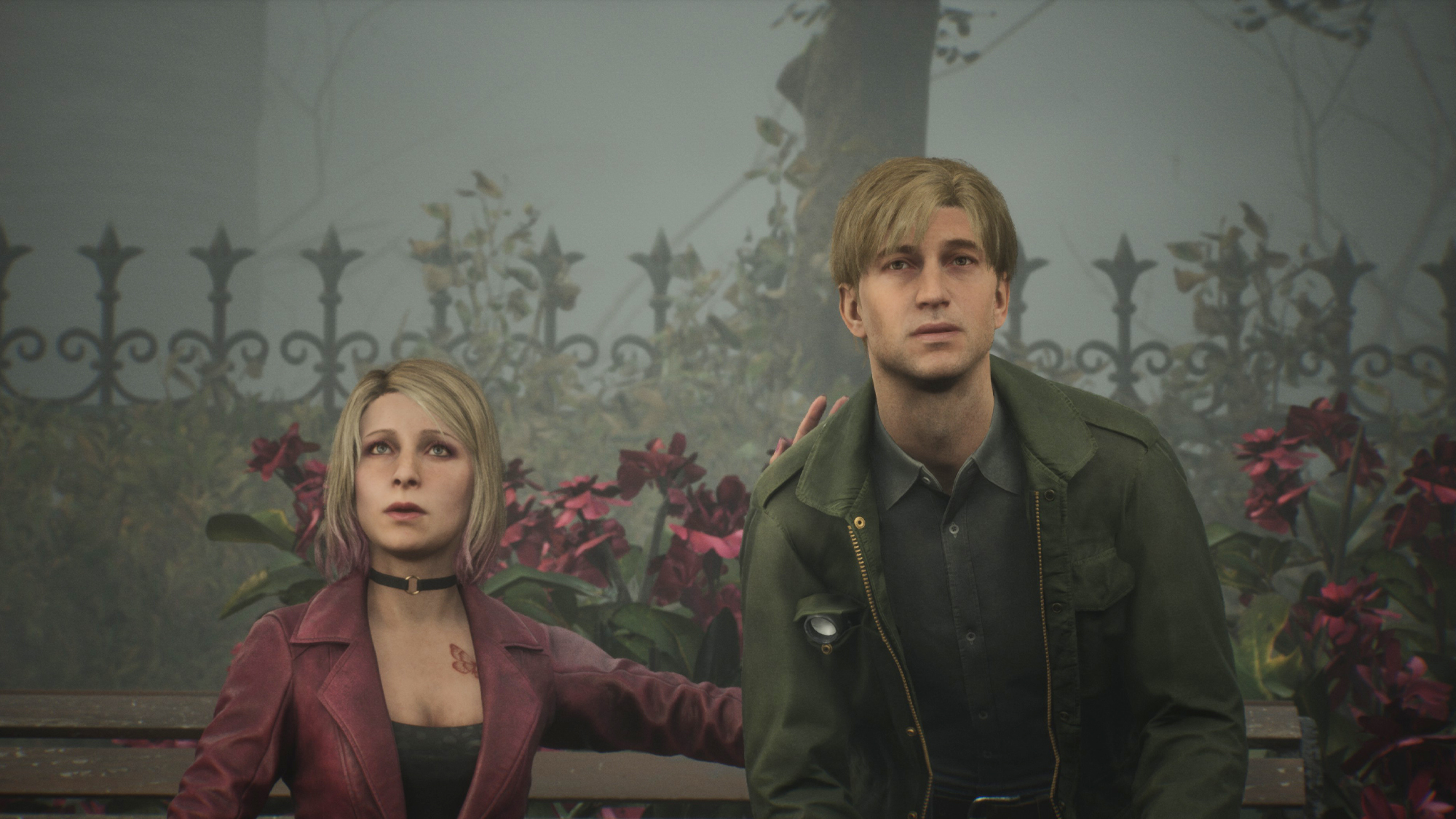
- Silent Hill 2: Delves into guilt and repressed trauma, making the town a reflection of the protagonist’s psyche.
- Amnesia: The Dark Descent: Removes combat entirely, focusing on helplessness and a decaying memory.
- Outlast: Traps players in an abandoned asylum with only a night-vision camcorder, amplifying fear through limited vision.
- Layers of Fear: Explores madness through surreal environments, shifting architecture, and an unreliable narrator.
These games don’t rely solely on gore or violence—they tap into emotional dread and mental manipulation, creating a deeply unsettling atmosphere.
Indie Developers and Experimental Horror
While big-budget studios produce cinematic horror experiences, indie developers are pushing the boundaries of the genre with minimal resources but maximum creativity.
Examples include:
- Doki Doki Literature Club! – A deceptive anime-style game that morphs into a meta-horror experience.
- INSIDE – A minimalist side-scroller that evokes anxiety through sound design and ambiguous storytelling.
- Iron Lung – A claustrophobic submarine game set on a blood ocean in an alien moon, inducing panic through isolation and limited visibility.
These titles focus on atmosphere, ambiguity, and emotional tension, making them perfect for players seeking unconventional scares.
Horror as a Tool for Empathy and Exploration
Modern horror games are not just about fear—they often expose societal anxieties. Themes like grief, depression, isolation, and guilt are interwoven with horror mechanics to create empathy-driven narratives.
Games like Hellblade: Senua’s Sacrifice were even developed in collaboration with neuroscientists and mental health experts to accurately portray psychosis, offering players an immersive way to understand complex mental conditions.
The Future of Digital Fear
As technology continues to evolve, so will the depth and intimacy of horror in video games. With the rise of virtual reality, AI-generated scenarios, and emotionally reactive environments, players will soon experience fear that is personalized and dynamic.
In the new age of fear, you don’t just watch the horror—you live it.
By – Nikita