


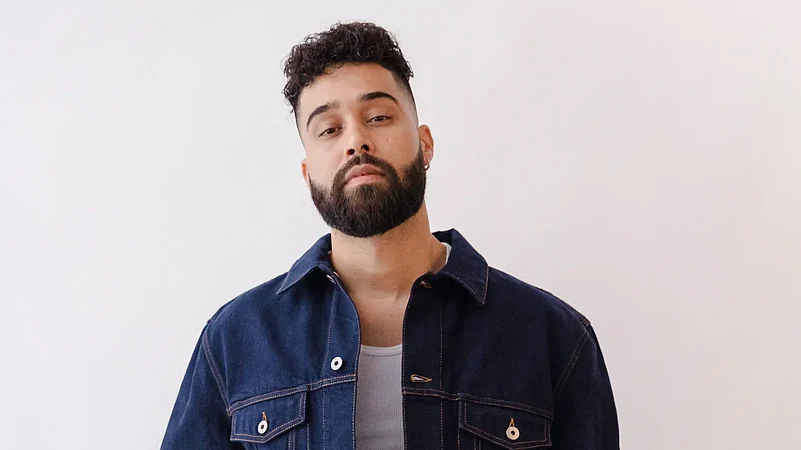
Indian artists are no longer confined to regional boundaries. The global music landscape is witnessing an unprecedented wave of collaborations between Indian performers and international stars, fundamentally transforming how the world perceives Indian culture and creativity. From AP Dhillon’s groundbreaking partnership with Republic Records to Diljit Dosanjh’s electrifying performances at Coachella, these alliances represent more than musical fusion; they signal a cultural renaissance.
The numbers speak volumes about this transformation. Spotify reports a staggering 2,000% increase in consumption of Indian artists’ music worldwide since 2019, with over 11.2 billion first-time discoveries of Indian artists in 2024 alone. This meteoric rise reflects not just growing popularity but a fundamental shift in how global audiences engage with Indian artistry.
Breaking Barriers Through Strategic Partnerships
AP Dhillon: Pioneering Punjabi on the Global Stage
AP Dhillon has emerged as a trailblazer in cross-cultural collaboration, becoming the first India-born Punjabi artist to sign with Republic Records. His upcoming EP, “The Brownprint,” showcases ambitious international partnerships, featuring Nigerian sensation Ayra Starr on the Afrobeats-Punjabi fusion track “Bora Bora” and Grammy-nominated rapper Gunna on “Losing Myself.”
These collaborations transcend mere musical experimentation. Dhillon’s partnership with Stormzy on “Problems Over Peace” and his NBA collaboration demonstrate how Indian artists are leveraging their cultural identity as a bridge to global markets. His approach illustrates what music industry insiders call “cultural “crossover”—maintaining authentic roots while embracing international influences.
Diljit Dosanjh: From Punjab to Prime Time
Diljit Dosanjh’s journey exemplifies the transformative power of strategic global partnerships. His collaborations with Australian singer Sia on “Hass Hass,” American rapper Saweetie on “Khutti,” and Colombian artist Camilo on “Palpita” showcase deliberate cultural fusion. Most significantly, his surprise duet with Ed Sheeran during concerts in Birmingham and Mumbai created viral moments that amplified both artists’ reach in each other’s markets.
Dosanjh’s success extends beyond individual songs. His 2024 Dil-Luminati tour sold 742,000 tickets worldwide, generating over $44 million and establishing him as “the biggest Punjabi performer on the planet”. His appearance on The Tonight Show Starring Jimmy Fallon and his historic Coachella performance, the first entirely in Punjabi, have redefined possibilities for non-English artists in mainstream Western entertainment.
King: Hip-Hop Diplomacy in Action
Delhi-based rapper King has strategically positioned himself at the intersection of Indian and international hip-hop culture. His collaborations span from Nick Jonas on “Maan Meri Jaan (Afterlife)” to Gucci Mane on “We Are the Ones,” and more recently with Alan Walker on “Story of a Bird.”
King’s approach exemplifies what he calls finding “Indian melodies in international soundscapes.” His partnerships with Jason Derulo on “Bumpa” and his work with various American artists demonstrate how Indian hip-hop artists can maintain cultural authenticity while achieving global relevance. The success of “Maan Meri Jaan,” which became the most streamed song of 2023 on Spotify India, proves that fusion approaches can dominate both domestic and international markets.
Cultural Representation Reimagined
Beyond Entertainment: Soft Power in Action
These collaborations represent India’s evolving soft power strategy. Cultural diplomacy experts note that music serves as a universal language transcending political and economic barriers. When Diljit Dosanjh performed at Coachella wearing traditional Punjabi attire, he wasn’t just entertaining; he was making a statement about cultural pride and global belonging.
The significance extends to identity representation for diaspora communities. Prime Minister Justin Trudeau’s recognition of Diljit’s success highlighted how these achievements validate immigrant experiences: “Canada is a great country, one where a guy from Punjab can make history and sell out stadiums.” Such recognition transforms individual success into collective cultural validation.
Authentic Fusion vs. Cultural Appropriation
The most successful collaborations maintain what researchers call “cultural integrity”—preserving essential elements of Indian traditions while embracing global influences. AP Dhillon’s integration of Punjabi vocals with trap beats, or King’s blend of Hindi rap with international production styles, demonstrates this balance. These artists avoid the pitfalls of cultural dilution by ensuring their collaborations enhance rather than overshadow their cultural identity.
Market Transformation and Industry Impact
Redefining Success Metrics
The success of these collaborations is reshaping industry understanding of market potential. Indian artists generating over INR 50 million in royalties from Spotify alone have doubled since 2022, with approximately two-thirds of royalties in India now flowing to local artists. This shift demonstrates that authentic cultural content can achieve both artistic and commercial success.
The live events sector particularly benefits from this trend. Over 30,000 concerts were held in India in 2024, with ticket revenue now outpacing sponsorships—a complete reversal of pre-pandemic models. International venues are recognizing the drawing power of Indian artists, with Diljit’s Vancouver show becoming the largest-ever concert by a Punjabi artist, with 54,000 attendees.
Platform Democratization
Streaming platforms have democratized access to global audiences, enabling artists to bypass traditional gatekeepers. Over 65% of India’s top 30 most exported songs in 2024 originated outside the film industry, signaling a shift away from Bollywood’s dominance toward independent artistry. This transformation allows for more diverse and authentic cultural representation.
The Cultural Bridge Effect
These collaborations achieve something remarkable: they make Indian culture accessible without diluting its essence. When millions of global listeners stream King’s collaborations or attend Diljit’s international concerts, they engage with authentic Indian artistry presented in familiar formats. This accessibility breaks down cultural barriers while maintaining artistic integrity. The impact extends beyond entertainment. These partnerships create what cultural theorists call “bridges of understanding,” connections that humanize different cultures and foster mutual appreciation.
The wave of Indian artists collaborating with global stars represents more than a music industry trend; it signals a fundamental shift toward multicultural creative expression that respects origins while embracing innovation. As these partnerships continue evolving, they promise to further redefine how the world understands and celebrates cultural diversity through the universal language of music.
By – Sonali