


As sports dramas remain a powerful genre in Indian cinema, films rooted in real-life struggles, national pride and personal grit continue to resonate with viewers across generations. From cricket fields to wrestling mats, Indian sports movies have not only entertained but also shaped conversations around discipline, gender equality and the spirit of competition. Here’s a look at six Indian sports films that stand tall for their storytelling, performances and lasting impact.
Chak De! India (2007): A Story of Redemption and Team Spirit
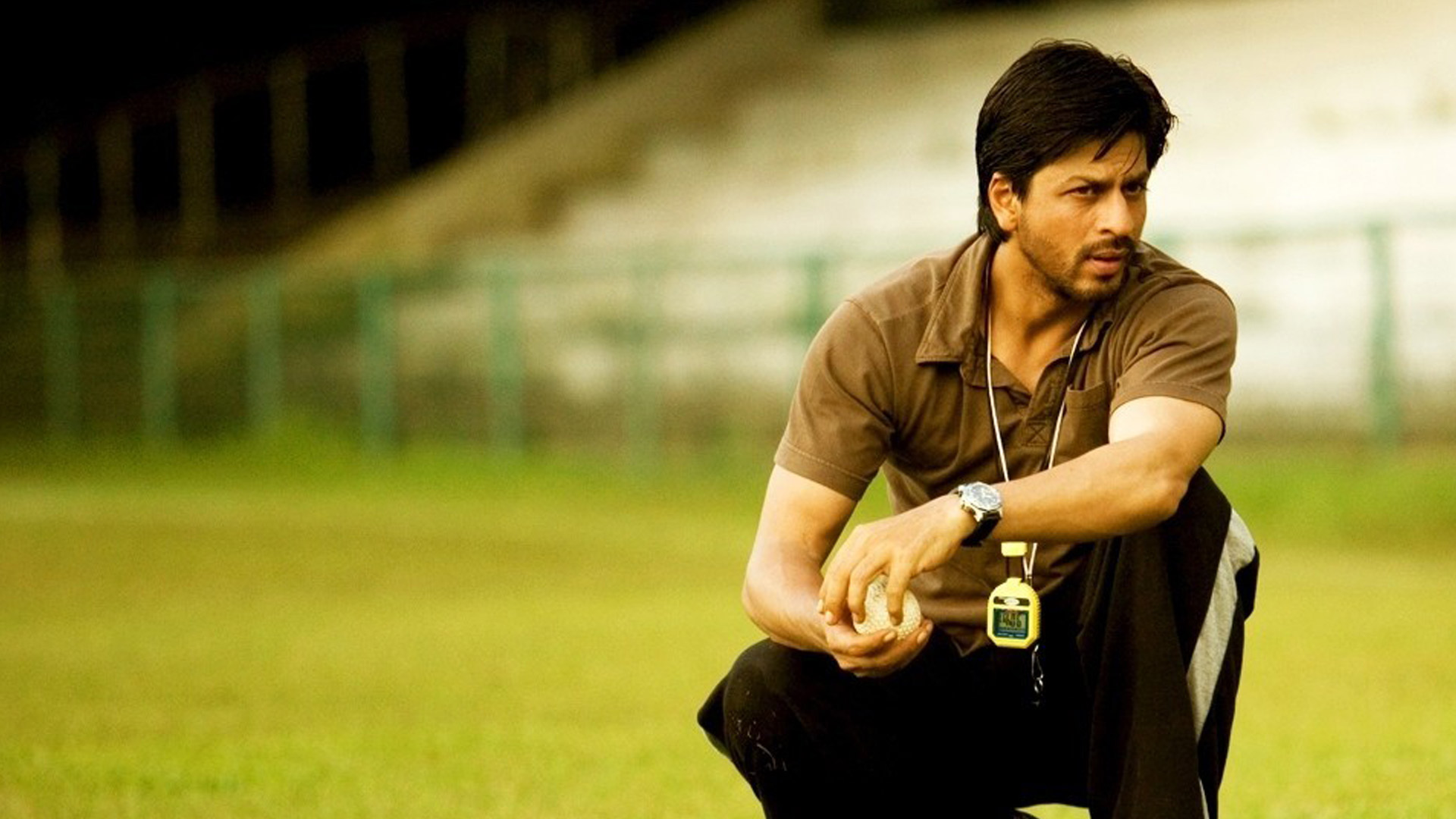
Directed by Shimit Amin, Chak De! India remains one of the most iconic sports films in Indian cinema. Shah Rukh Khan’s portrayal of Kabir Khan, a disgraced former hockey player turned coach of the Indian women’s hockey team, resonated deeply with the audience. The film goes beyond sport, addressing regionalism, sexism, and nationalism, while highlighting the power of unity. Even years after its release, Chak De! India continues to be referenced in sporting contexts and motivational discussions, especially during major international tournaments.
Lagaan (2001): Cricket as Resistance
Ashutosh Gowariker’s Lagaan blended sport with history, using cricket as a metaphor for colonial resistance. Set during British rule, the film follows villagers who challenge British officers to a cricket match to escape oppressive taxes. Aamir Khan’s performance and A.R. Rahman’s music elevated the narrative, making Lagaan a global success. The film’s Oscar nomination brought international attention to Indian sports storytelling, proving that cricket-based narratives could transcend borders.
Dangal (2016): Breaking Gender Barriers
Based on the real-life story of wrestler Mahavir Singh Phogat and his daughters Geeta and Babita Phogat, Dangal became a cultural phenomenon. Directed by Nitesh Tiwari and led by Aamir Khan, the film tackled deep-rooted gender biases while celebrating discipline and perseverance. Its massive box office success, both in India and overseas, highlighted audiences’ appetite for socially relevant sports dramas and sparked renewed interest in women’s wrestling in the country.
Bhaag Milkha Bhaag (2013): The Flying Sikh’s Legacy
Rakeysh Omprakash Mehra’s biographical sports drama chronicled the life of legendary athlete Milkha Singh. With Farhan Akhtar undergoing a remarkable physical transformation, the film captured the trauma of Partition, personal loss and the relentless pursuit of excellence. Bhaag Milkha Bhaag stood out for its emotional depth and cinematic scale, reinforcing the idea that sports films can also be powerful historical and human stories.
Mary Kom (2014): Punching Through Odds
Starring Priyanka Chopra as boxing champion Mary Kom, this biographical film focused on the challenges faced by women athletes balancing personal lives and professional ambitions. Directed by Omung Kumar, Mary Kom shed light on the lack of infrastructure and support for female boxers in India. The film played a crucial role in bringing mainstream attention to boxing and women’s sports, inspiring a new generation of athletes.
MS Dhoni: The Untold Story (2016): From Small Town to Stardom
Neeraj Pandey’s MS Dhoni: The Untold Story traced the journey of one of India’s most successful cricket captains. With Sushant Singh Rajput in the lead, the film highlighted Dhoni’s early struggles, unconventional choices and rise to international fame. Released at a time when biopics were gaining momentum, the film connected deeply with young audiences, reinforcing the belief that perseverance and self-belief can defy odds.
Why Sports Films Still Matter
Indian sports movies continue to thrive because they mirror real societal struggles – be it gender inequality, regional divides or limited resources. These films blend emotion, patriotism and personal triumph, making them relevant beyond the big screen. As India’s sporting ecosystem grows and athletes gain global recognition, the genre is expected to evolve further, bringing newer stories from diverse sports into the spotlight.
With powerful narratives and unforgettable performances, these films remain benchmarks in Indian sports cinema, reminding audiences that the spirit of the game often reflects the spirit of the nation.
By – Sonali