


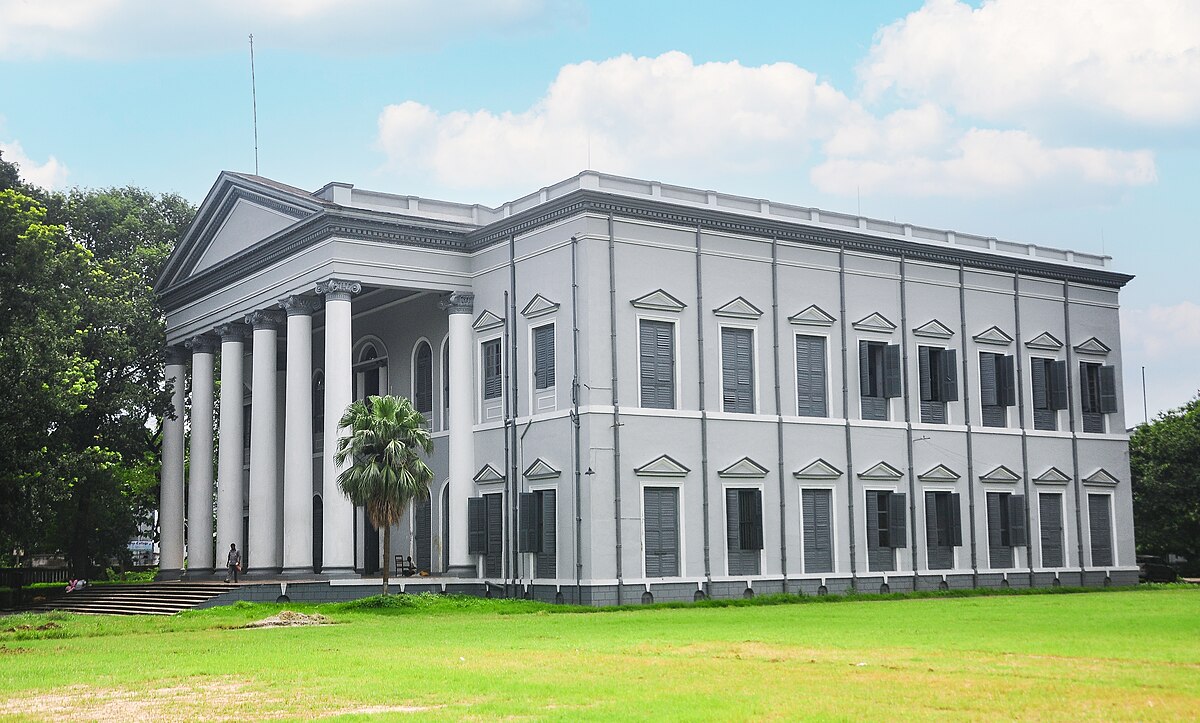
As of August 1, 2025, India’s oldest universities stand as testaments to its rich educational heritage, shaping its intellectual landscape for centuries. Institutions like the Senate of Serampore College (1818), IIT Roorkee (1847), and the University of Madras (1857) trace their origins to pre-independence eras, with roots in missionary zeal, British governance, and royal patronage. Located across West Bengal, Uttarakhand, and Tamil Nadu, these universities evolved from modest beginnings into modern hubs. They bridged ancient learning centers like Nalanda with contemporary education, adapting to global standards. Through royal charters, legislative acts, and technological upgrades, they remain relevant, as #IndiaEducationLegacy trends on X.
Historical Foundations
The Senate of Serampore College, founded by Christian missionaries in 1818 and granted university status in 1829, pioneered theological education, influencing India’s early higher learning. IIT Roorkee, initially the Thomason College of Civil Engineering in 1847, became a beacon of engineering by 2001, reflecting Britain’s industrial focus. The University of Madras, established in 1857 and modeled after the University of London, offered a secular curriculum, fostering alumni like Srinivasa Ramanujan. These institutions built on ancient legacies, like Nalanda (5th century CE), were destroyed in 1193 but revived in 2014, showcasing a continuum of knowledge despite invasions and colonial shifts.
Legacy in the Present
Today, these universities drive India’s academic and economic growth. Serampore offers specialized divinity courses, while IIT Roorkee’s 55 postgraduate disciplines lead in tech innovation. The University of Madras, with six campuses, educates thousands across diverse fields, earning a five-star NAAC rating. Their alumni—Rabindranath Tagore (Calcutta), C.V. Raman (Calcutta), and A.P.J. Abdul Kalam (Madras)—highlight global impact. Yet, critics question if their colonial frameworks limit modern adaptability, with outdated syllabi and infrastructure lagging behind Western peers.
Challenges and Evolution
Preserving heritage while modernizing poses challenges. Serampore’s focus on theology narrows its scope, while IIT Roorkee and Madras grapple with overcrowding—711 affiliated colleges for Mumbai, 109 for Madras. The revival of Nalanda as a modern university aims to reclaim ancient glory, but funding and political interference hinder progress. Skeptics argue this nostalgia risks overshadowing practical reforms, like aligning with AI-driven education, a gap evident in India’s 479 state universities per UGC data.
A Living Heritage
India’s oldest universities blend history with progress, shaping a $300 billion digital economy by 2030. Their legacy inspires, but success hinges on balancing tradition with innovation. As #AncientWisdom trends, they
remain pillars of knowledge, adapting to a globalized world while honoring their past.
-By Manoj H