


In the ever-evolving landscape of cinema, few archetypes possess the enduring power to captivate audiences like the Goddess, a symbol that transcends cultural boundaries to represent strength, justice, and the eternal triumph of good over evil. From ancient mythological tales to contemporary blockbusters, filmmakers worldwide have consistently drawn upon divine feminine imagery to craft narratives that resonate with humanity’s deepest desire for justice and moral victory.
The Goddess as Cinema’s Moral Compass
The cinematic portrayal of goddesses has become a powerful vehicle for exploring themes of justice and righteousness. In Hindu cinema, particularly, the goddess tradition offers filmmakers a rich tapestry of divine feminine figures who embody both nurturing compassion and fierce protective power. These representations serve not merely as religious iconography but as profound symbols of moral authority that transcend sectarian boundaries.
The goddess archetype in film functions as what scholars term “divine feminine mythology” stories that empower viewers to envision how they can reflect divine qualities in their own struggles against injustice. This mythological framework provides filmmakers with a potent metaphor for addressing contemporary social issues while maintaining universal appeal.
From Ancient Texts to Modern Screens
Durga: The Warrior Mother
Perhaps no goddess figure has been more extensively portrayed in cinema than Durga, the fierce protector who emerges in times of cosmic crisis. Films like Mahashakti (1987) showcase her epic battle against the demon Mahishasura, celebrating themes of female empowerment while delivering stunning visual spectacles. The narrative structure of these films closely follows the Devi-Mahatmya, the sacred Hindu text that describes how the goddess appears when cosmic moral order is threatened by demonic forces.
In contemporary Indian cinema, Durga Puja celebrations have become central to storytelling, with filmmakers using the festival as a backdrop to explore complex social dynamics. From Satyajit Ray’s Pather Panchali to Rituparno Ghosh’s Utsab, Bengali cinema has particularly embraced Durga as a symbol of cultural continuity and moral strength.
Kali: The Transformer of Injustice
The goddess Kali represents perhaps the most complex embodiment of divine justice in cinema. Her fierce iconography, wild hair, garland of skulls, and weapons that cut through illusion, symbolizes the necessity of destruction for transformation. Films featuring Kali imagery often explore themes of radical change and the courage required to face society’s shadows.
The 1962 film Devi, starring Sharmila Tagore, presents a nuanced exploration of how belief in divine incarnation can both empower and endanger women in patriarchal societies. This psychological complexity demonstrates how filmmakers use goddess symbolism to examine the gap between mythic ideals and social realities.
Western Cinema’s Divine Feminine Warriors
Wonder Woman: Bridging Ancient and Modern
DC’s Wonder Woman franchise exemplifies how Western cinema adapts goddess mythology for contemporary audiences. The character Diana draws directly from Greek goddesses Artemis and Themis, embodying both the hunt’s precision and justice’s unwavering nature. Director Patty Jenkins deliberately crafted Wonder Woman as a “divine feminine myth for our time,” filled with empowering imagery that resonates across cultural boundaries.
The film’s mythology transforms traditional Greek narratives into a Christian-influenced story of sacrificial love and redemption, demonstrating how filmmakers adapt ancient goddess archetypes to address modern moral concerns. Wonder Woman’s lasso of truth becomes a symbol of transparency and justice, while her Amazonian heritage represents an idealized feminine society free from patriarchal corruption.
Bollywood’s Revolutionary Goddess Narratives
The Avenging Mother Archetype
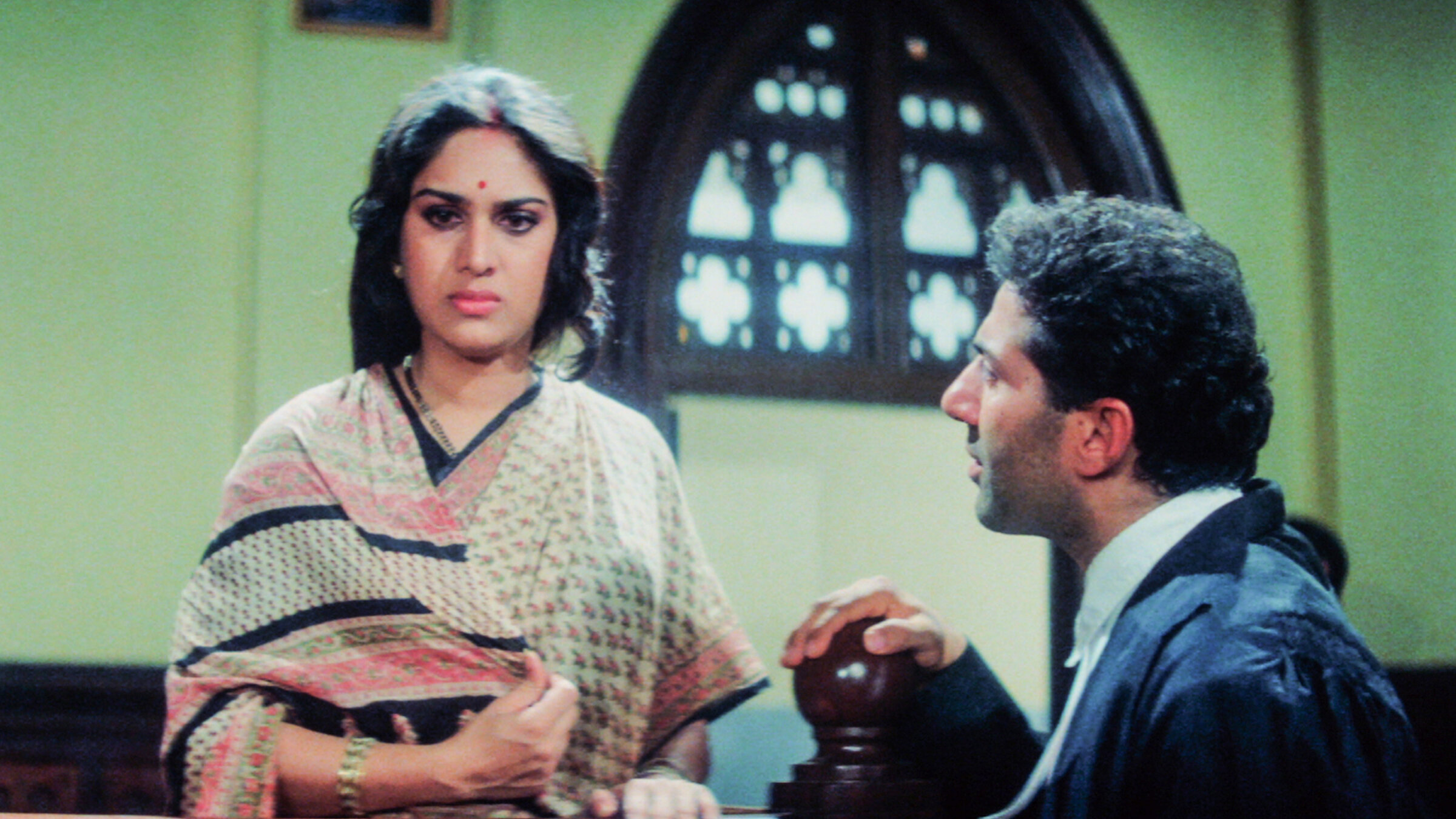
Contemporary Bollywood has developed a particularly powerful subgenre featuring women who transform into goddess-like avengers. The 1994 film Anjaam starring Madhuri Dixit and Shah Rukh Khan, exemplifies this trend through its protagonist Shivani, who evolves from victim to divine instrument of justice. The film’s climactic chant “When a woman becomes Chandika”, explicitly invokes the goddess tradition to justify female empowerment and violent resistance to oppression.
This transformation narrative reflects broader themes in Indian cinema where the goddess serves as both spiritual guide and feminist icon. Films like Mom (2017) and Damini (1993) continue this tradition, presenting mothers who channel divine fury to protect their children and uphold justice when legal systems fail.
Contemporary Global Interpretations
Horror and the Divine Feminine
Even in unexpected genres like horror, filmmakers draw upon goddess imagery to subvert traditional power dynamics. Films like Hocus Pocus present the Sanderson Sisters as powerful women who threaten patriarchal authority precisely because they operate outside male influence. This subversive use of “witch” imagery connects to broader goddess traditions where female power is both feared and revered.
Nollywood’s Justice Goddesses
African cinema, particularly Nigeria’s Nollywood industry, has embraced goddess archetypes in films like Goddess of Vengeance and Justice, where divine feminine figures serve as protectors of community moral order. These narratives demonstrate the global appeal of goddess symbolism as a vehicle for exploring themes of justice and social transformation.
Symbolism and Cinematic Techniques
Visual Language of Divine Power
Filmmakers employ specific visual techniques to convey goddess symbolism and divine authority. The use of golden lighting, flowing fabrics, and elevated camera angles creates an otherworldly presence that distinguishes divine characters from mere mortals. In Hindu mythological films, the goddess typically appears surrounded by flames or light, emphasizing her role as a cosmic force rather than a human character.
The goddess’s weapons whether Durga’s trident, Kali’s sword, or Wonder Woman’s lasso, serve as extensions of divine will, each carrying specific symbolic meaning related to the destruction of evil and the establishment of justice.
Music and Divine Invocation
Sound design plays a crucial role in goddess narratives, with filmmakers using traditional chants, drum beats, and orchestral scores to invoke religious reverence. The conch shell blowing that accompanies Shivani’s transformation in Anjaam connects her actions to ancient ritual practices, lending spiritual legitimacy to her violent revenge.
Cultural Impact and Feminist Interpretations
The cinematic goddess has become a powerful symbol for feminist filmmaking, offering alternatives to traditional feminine archetypes. Unlike passive victims or romantic interests, goddess figures embody agency, power, and moral authority. This representation provides viewers, particularly women, with empowering images that challenge patriarchal narratives.
However, these portrayals also raise complex questions about violence, justice, and gender roles. The goddess’s ability to transcend normal moral boundaries through divine authority can both liberate and constrain female characters, sometimes reinforcing the notion that women need supernatural power to achieve justice in patriarchal societies.
The Eternal Return of Divine Justice
As cinema continues to evolve, the goddess archetype remains a compelling vehicle for exploring humanity’s relationship with justice, power, and moral transformation. From Marvel’s cosmic entities to Bollywood’s avenging mothers, filmmakers continue to find new ways to adapt ancient goddess traditions for contemporary audiences seeking both entertainment and empowerment.
The enduring appeal of these divine feminine figures suggests something fundamental about human nature, our deep-seated belief that justice will ultimately triumph over evil, that the innocent will find protection, and that even in our darkest moments, divine intervention remains possible. In transforming goddesses into cinematic symbols, filmmakers tap into this primal hope, creating narratives that inspire audiences to believe in the possibility of positive change.
Through light and shadow, music and movement, contemporary cinema keeps alive the ancient promise embedded in goddess mythology: that strength, compassion, and unwavering commitment to justice can overcome even the most formidable forces of darkness. In doing so, these films ensure that the goddess remains not just a relic of ancient belief, but a living symbol of humanity’s highest aspirations for justice and moral victory.
By – Sonali