


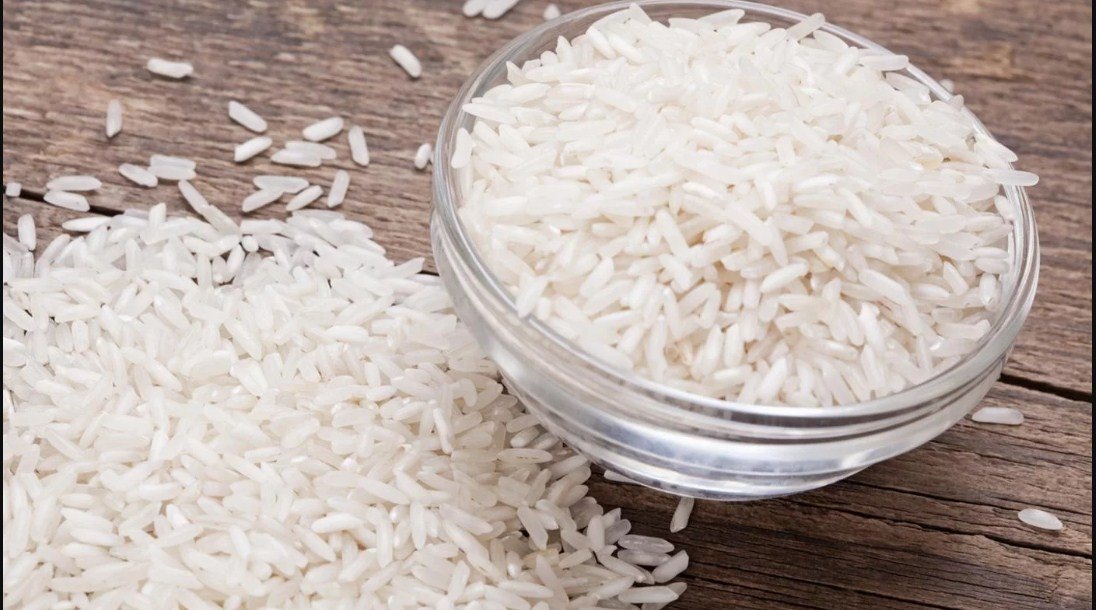
In the quiet rice fields of Upper Assam, a once-overlooked traditional grain is now commanding global attention — Kalonunia rice. Known for its distinct aroma, dark hue, and nutritional value, Kalonunia is rapidly becoming a premium grain in both domestic and international markets. From rural kitchens to five-star hotels, this indigenous variety is being rediscovered — not just as a food item, but as a symbol of cultural pride, biodiversity, and economic opportunity.
What Makes Kalonunia So Special?
Grown mainly in the districts of Tinsukia, Dibrugarh, and Sivasagar, Kalonunia is an heirloom variety of black aromatic rice that holds a legendary status among Assamese households. Despite its potential, it remained overshadowed by commercial rice varieties for decades due to limited awareness, poor marketing, and absence in state-led agri-promotion schemes.
- Aroma & Texture: Kalonunia boasts a powerful, naturally nutty fragrance that intensifies when cooked — often compared to high-grade Basmati but with more earthiness.
- Nutritional Punch: Rich in anthocyanins, antioxidants, and micronutrients, it supports heart health, diabetes control, and immunity.
- Cultural Significance: Traditionally served during Bihu feasts, marriages, and festivals, Kalonunia is part of Assamese identity — one that was slowly being lost.
The Turnaround: A Grain Reborn
The revival of Kalonunia didn’t happen overnight. In recent years, several independent farmers, agro-cooperatives, and NGOs have joined hands to protect, cultivate, and market the grain. Support from Assam Agricultural University and the Krishi Vigyan Kendras (KVKs) has also helped reintroduce scientific techniques to increase yield and shelf-life without compromising authenticity.
Interestingly, Kalonunia has caught the attention of urban food influencers and chefs, who are now experimenting with it in risottos, desserts, and fusion recipes — transforming it into a gourmet experience. The export demand, particularly from Southeast Asian and European markets, is steadily climbing.
Farmer Voices & Market Realities
Not everything, however, is celebratory.
“Middlemen still control pricing,” says Gitali Das, a second-generation Kalonunia farmer in Dibrugarh. “Even as prices go up in cities, we barely break even. Until there’s a structured supply chain, we remain at the mercy of traders.”
Moreover, large-scale paddy processors often refuse Kalonunia because of its distinct grain color and low processing volume. Experts warn that unless state policies directly incentivize indigenous crops like Kalonunia, the grain might again vanish under the weight of commercial pressure.
The Political Grain?
There’s also a brewing criticism of the Assam government’s agricultural policy, which some claim disproportionately promotes hybrid rice varieties while ignoring heritage crops. Kalonunia, despite its Geographical Indication (GI) potential, still hasn’t received the political backing or branding push that other indigenous products like Sikkim’s black cardamom or Kerala’s red rice have achieved.
With elections around the corner, farmer unions are now demanding inclusion of heirloom grains in the Minimum Support Price (MSP) regime and greater allocation for indigenous rice promotion in the agriculture budget.
Why This Story Matters
In a globalized world obsessed with quinoa, chia, and avocados, it’s easy to forget the wealth in our own backyards. Kalonunia is more than just rice — it’s a story of lost heritage, neglected farmers, and the power of culinary resurgence. Its success could trigger a broader movement to protect India’s dying native grains, from Mappilai Samba in Tamil Nadu to Navara in Kerala.
It’s not just a grain. It’s a rebellion on your plate.
By – Nikita