


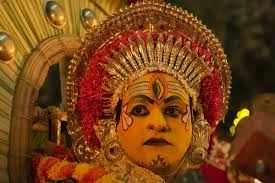
The phenomenal success of Rishab Shetty’s Kantara: Chapter 1 has taken an unexpected turn, with the film’s cultural authenticity becoming the center of a heated controversy. Since its October 2 release, enthusiastic fans have begun imitating the sacred Daiva possession scenes at cinema halls, prompting the film’s makers and the Tulu community to raise serious concerns about cultural appropriation and religious sensitivity.
Theatre Incidents Trigger Community Outrage
Multiple incidents have emerged across different states, with fans recreating the ritualistic Daiva possession sequences in cinema halls. In Tamil Nadu’s Dindigul, a fan dressed in traditional Daiva costume performed the sacred act inside Uma Rajendraa theatre’s auditorium. Another notable incident occurred outside Anjan Theatre in Bengaluru, where a fan wearing a yellow kurta and dhoti reenacted the possession sequence.
These videos quickly gained traction on social media platforms, drawing both attention and sharp criticism from the community. What fans perceived as celebrating the movie’s success, practitioners viewed as a disrespectful trivialisation of their sacred faith traditions.
Understanding the Sacred Tradition of Dhaivaradhane
The controversy centers around Dhaivaradhane, a centuries-old spiritual practice deeply revered in Karnataka’s coastal Tulunadu region. This sacred ritual holds profound religious significance for the Tulu community, representing an unbroken chain of faith and cultural identity that has been preserved for generations.
The Daiva worship tradition features spiritual performers who undergo possession as part of genuine religious ceremonies. These practices are embedded in deep spiritual meaning and cannot be reduced to mere entertainment or social media content, according to community members.
Rishab Shetty’s Emotional Appeal to Fans
In an exclusive interaction with India Today Digital, Rishab Shetty expressed his disappointment and hurt over the fan imitations. The actor-director made a heartfelt appeal, emphasizing the sacred nature of the rituals depicted in his film.
“We have treated it with deep seriousness. The Daiva nartak (spiritual performer) has been portrayed with great care; there should be no distortion in that,” Shetty explained, highlighting the meticulous approach taken during filming.
The filmmaker revealed that the production team sought Daiva’s blessings before every scene, demonstrating their respect for the tradition. “However, some people, out of excitement or in hopes of going viral on social media, do things that are inappropriate. Please don’t do that,” he pleaded.
Production House Issues Strong Statement
Hombale Films, the production house behind the film, released an official statement expressing disapproval of the imitations. The company emphasized that “Dhaivaradhane stands as a profound symbol of faith and cultural pride within Tulunadu, the coastal region of Karnataka”.
The statement clarified that the rituals were “not intended for performance or casual mimicry,” describing such acts as trivialising the belief system and deeply hurting the religious sentiments of the Tulu community.
The production house strongly appealed to audiences to “refrain from any act that involves imitating, mimicking or trivialising the daiva personas – whether in cinema halls or in public spaces”.
The Broader Cultural Sensitivity Debate
This controversy highlights the delicate balance between cinematic appreciation and cultural respect. While Kantara: Chapter 1 has been praised for its authentic portrayal of sacred traditions, the fan reactions demonstrate how popular culture can sometimes cross the line from celebration to appropriation.
The incident has sparked intense discussions on social media about the responsibility of audiences when engaging with content that depicts sacred cultural practices. Community members argue that genuine appreciation should not involve mimicking sacred rituals that hold deep spiritual significance.
A Call for Respectful Cinema Appreciation
The appeals from both Shetty and Hombale Films carry a crucial message: audiences should appreciate cinema as art while respecting the real-world traditions it portrays. The filmmaker’s request is simple yet profound – “experience the film in theatres for what it is – as cinema. But remember, what we have shown of Daiva is sacred to us”.
This controversy serves as a reminder that when films authentically portray cultural and religious practices, audiences must approach them with the same reverence and sensitivity that the filmmakers intended to convey.
By – Sonali