


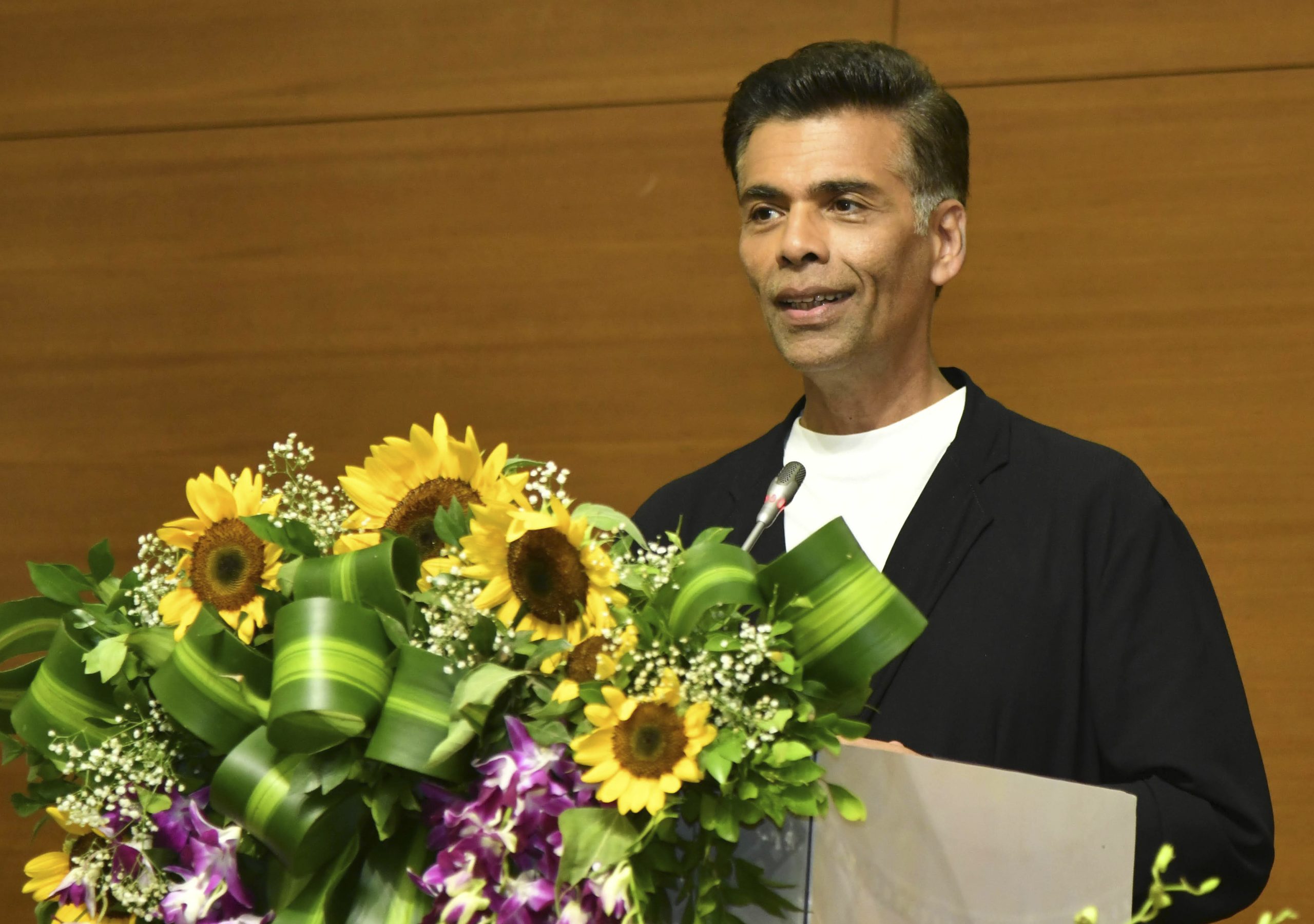
Filmmaker Karan Johar filed a petition in the Delhi High Court on September 15, 2025, seeking protection of his personality and publicity rights against unauthorized misuse of his name, image, and likeness. The plea, heard by Justice Manmeet Pritam Singh Arora, alleges that websites and platforms are illegally selling merchandise like mugs and T-shirts featuring Johar’s persona without consent. Represented by senior advocate Rajshekhar Rao, Johar demanded an injunction to halt such exploitation, emphasizing his right to control and profit from his identity. This move follows similar actions by Aishwarya Rai Bachchan and Abhishek Bachchan, who secured interim relief earlier in September, highlighting a surge in legal safeguards amid rising digital threats.
The Petition’s Core Allegations
Johar’s suit claims rampant online misuse, including fundraising scams and commercial products that dilute his reputation. Rao argued, “I have a right to ensure that no one unauthorisedly uses my persona, face, or voice,” invoking the right to publicity—the legal entitlement to protect and monetize one’s image. The court sought clarifications on specific violations, such as disparagement versus merchandise sales, before listing the matter for further hearing. Johar also urged blocking offending websites, echoing concerns over AI-generated content and deepfakes that could harm his goodwill. As a prominent producer with hits like Kuch Kuch Hota Hai, Johar stated the unauthorized use creates false endorsement perceptions, potentially causing financial and reputational damage.
Aishwarya and Abhishek’s Precedents
This isn’t isolated; Aishwarya Rai Bachchan approached the court on September 9, 2025, alleging misuse of her image in AI-generated pornographic content and fake endorsements on sites like aishwaryaworld.com. Justice Tejas Karia granted an ex-parte injunction, restraining defendants from producing or selling items like T-shirts and mugs and blocking URLs within 72 hours. The court noted, “When the identity of a famous personality is used without consent, it may lead to commercial detriment and impact their right to live with dignity.” Abhishek Bachchan filed the next day, citing AI-manipulated videos and sexually explicit material, securing similar relief on September 11. Justice Karia ruled that such infringements dilute reputation and goodwill, prohibiting unauthorized use of his name, signature, and likeness. Why Is This Happening?
The Rise of Digital Exploitation
The flurry of petitions stems from the explosion of digital misuse in 2025, fueled by AI advancements and lax online regulations. Celebrities’ personas have immense commercial value, but tools like deepfakes and AI allow easy manipulation for fraud, endorsements, or pornographic content without consent. In India, with no standalone personality rights law, courts rely on Article 21 (right to life and dignity) and the Trademarks Act, 1999, for protection. Recent cases—like Jackie Shroff’s 2024 suit against AI chatbots mimicking him, Anil Kapoor’s against deepfake videos, and Arijit Singh’s against voice cloning—show a pattern: AI’s accessibility enables rogue websites to profit from celebrities’ fame, causing financial loss and reputational harm.
Implications for Bollywood and Beyond
Johar’s case, following the Bachchans’, signals Bollywood’s proactive stance against digital threats in a ₹101 billion industry. It protects not just finances but dignity, preventing dilution of goodwill—crucial for endorsements worth crores. However, critics argue overbroad injunctions could stifle satire or fan art, balancing free speech under Article 19. As AI evolves, these petitions may set precedents, urging lawmakers for comprehensive rights. For stars like Johar, whose image fuels brands like Pepsi, the fight is existential:In a 780-language diverse nation, personality rights ensure control over one’s narrative amid unchecked online chaos.
-By Manoj H