


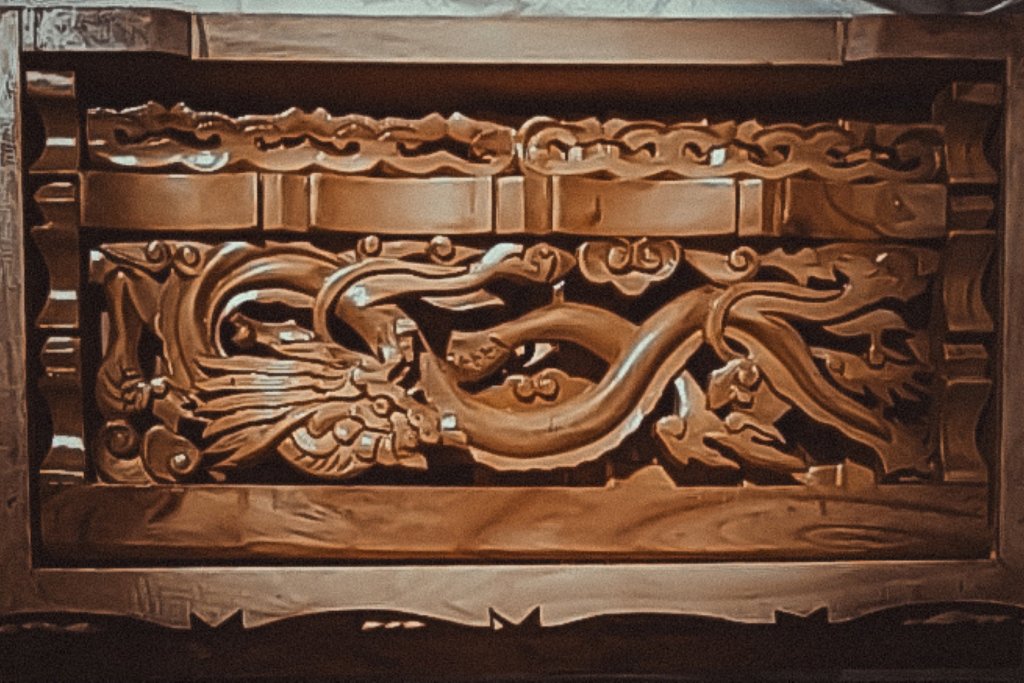
High in the cold desert of Ladakh, a centuries-old craft is gaining renewed attention for its intricate beauty and cultural depth. Known as Ladakh Shingkos, the region’s traditional wood carving art has become a symbol of Ladakhi heritage and craftsmanship. Practiced for generations by skilled artisans, this art form blends spirituality, architecture, and local traditions into delicately carved wooden objects that are admired across India and beyond.
Shingkos, which literally translates to “wood carving” in the Ladakhi language, is deeply rooted in the region’s Buddhist culture and architectural traditions. The carvings are commonly seen in monasteries, palaces, and traditional homes, where decorated doors, windows, pillars, and altars showcase the extraordinary skills of local craftsmen. The motifs often reflect religious and natural elements, making each piece both artistic and symbolic.
Recognition through GI Tag
The craft received a major boost when Ladakh’s wood carving was granted the Geographical Indication (GI) tag in 2023, making it the first handicraft from the Union Territory to receive this recognition. The GI tag, issued by India’s GI Registry, protects the authenticity of the craft and ensures that only products originating from the Ladakh region can carry the Shingkos name.
Experts say the recognition not only preserves traditional techniques but also helps local artisans gain better market opportunities. The tag also promotes Ladakh’s cultural identity globally while protecting artisans from imitation products.
Materials and Crafting Process
Shingkos artisans rely on locally available wood such as willow, walnut, and apricot trees, known for their durability and fine grain. The carving process begins with selecting and shaping the wood before intricate designs are etched using traditional tools like chisels, hammers, saws, and gouges.
Each piece requires patience and precision. After carving, artisans polish and sometimes paint the wood in bright traditional colors associated with Tibetan Buddhist culture. The process can take days or even weeks depending on the complexity of the design.
Symbolism in Design
The visual language of Shingkos reflects Ladakh’s spiritual traditions. Popular motifs include lotus flowers, dragons, mythical figures, animals, and mandalas, as well as the Eight Auspicious Symbols of Buddhism, such as the conch shell, lotus, and wheel of dharma. These designs represent prosperity, protection, and spiritual harmony.
Beyond decoration, the carvings often tell stories of Ladakh’s culture and environment, blending religious symbolism with imagery inspired by the Himalayan landscape.
Everyday Objects with Artistic Value
While Shingkos carvings appear prominently in architecture, they are also used to create furniture and household items. One of the most iconic examples is the “choktse,” a beautifully carved folding wooden table traditionally used in Ladakhi homes to serve food or tea to guests. Prayer wheels, ritual bowls, window frames, and decorative boxes are also common products made using this technique.
Preserving a Living Tradition
Today, Ladakh’s growing tourism industry and increased interest in indigenous crafts are helping revive the demand for Shingkos products. Cultural organisations and government initiatives are also encouraging younger generations to learn the craft, ensuring that the tradition continues to thrive.
More than just decorative objects, Ladakh Shingkos represents a living heritage – one that preserves the artistic identity, spirituality, and resilience of the Himalayan region. As global audiences discover the beauty of this craft, the wooden carvings of Ladakh continue to carry centuries of tradition into the modern world.
By – Sonali