


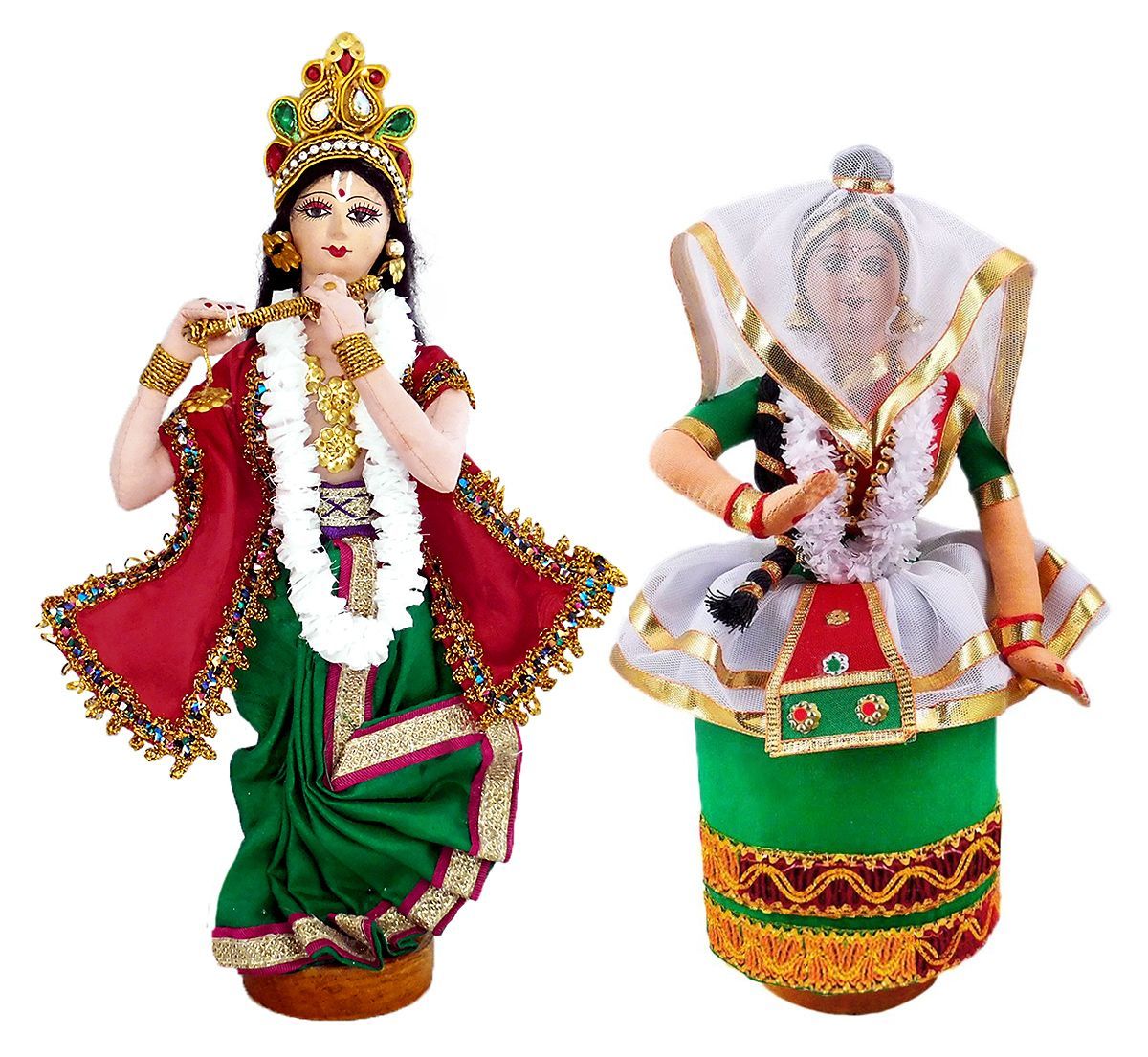
Laiphadibi, the traditional handmade dolls of the Meitei people, continue to attract attention as vibrant symbols of cultural identity and timeless artistry. Originating centuries ago in the northeastern Indian state of Manipur, these dolls, called Laiphadibi or Laidhibi, are more than children’s toys; they occupy a special place in the social, ritualistic and economic life of the Meitei community.
Origins and Cultural Significance
The word Laiphadibi combines three Meitei terms – lai meaning “god”, phadi meaning “shabby cloth”, and bi indicating feminine gender, reflecting that these are “female images of the divine” crafted from humble cloth materials. Traditionally, these dolls are treated as ita, or female companions with emotions and spirits.
Originally handcrafted at home by women using old clothes, straw and simple materials, Laiphadibis were everyday playthings for young girls. Elders insisted on respect for them; children were often warned that if the dolls weren’t properly put away after play, they would cry under banana trees at night.
Role in Rituals and Beliefs
Beyond play, Laiphadibis are used in various sociocultural rituals. In Meitei tradition, if someone dies on inauspicious days such as Thursday or nongmapanba (the first day of the month as per the lunar calendar) or tatnaba, two dolls are placed on the grave after the funeral, one to open the door for the living and the other to shut the door for the dead, ensuring no further deaths follow closely. Dolls are also involved in rituals like ushin-touba and chabanthaba, where spirits are appeased to end disease or misfortune.
In households, the dolls are thought to guard homes. Placing them at doorways or hanging them on vehicles is believed to protect against evil spirits and accidents, a belief tied to the ancient myth of Goddess Panthoibi, whose household Laiphadibis once guarded from spiritual harm.
Transformation and Market Presence
Over time, Laiphadibis have evolved in form. Whereas traditional dolls had plain features and simple cloth attire, contemporary versions feature detailed facial stitches, ornate costumes inspired by Manipuri dance attire such as potloi, and even stylized elements reminiscent of popular global characters.
Today, both cloth and plastic forms are sold widely in markets across Manipur, particularly in Ima Keithel, the renowned all-women’s market in Imphal. Traditional hand-stitched dolls command a higher price due to craftsmanship, while decorated plastic dolls are more affordable and durable.
Craftsmanship, Livelihoods and Challenges
For many local women artisans, Laiphadibi is not only a cultural emblem but a source of livelihood. The craft of Laiphadibi doll making has been passed down through generations, and sellers often balance domestic chores with production and sales.
However, the sector faces challenges. A research study on the impact of the COVID-19 pandemic highlighted prolonged market closures hurting doll sellers whose income depends on the craft. Shortages of raw materials and shifts in demand have also affected this niche economy.
Preserving Tradition in the Modern Era
Despite changes, there are ongoing efforts to sustain Laiphadibi as a cultural heritage. Craft festivals, exhibitions and cultural showcases help bring these traditional dolls to wider audiences, fostering appreciation among younger generations and tourists alike.
As both a symbol of faith and a living tradition, Laiphadibi stands resilient—bridging Manipur’s past with its evolving present.
By – Sonali