


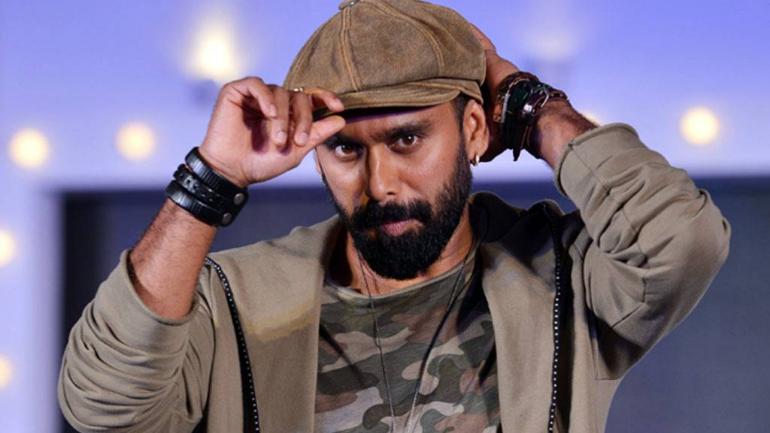
Renowned choreographer Bosco Martis has publicly voiced his disappointment over failing to receive proper recognition for his work on the chart-topping song “Chuttamalle” from the Telugu film Devara: Part 1, featuring Janhvi Kapoor and Jr NTR. In an exclusive conversation with India Today, Martis called for choreographers to be celebrated on par with actors, music directors, and singers.
A Missing Name in the Credits
While discussing the promotional events surrounding Devara: Part 1, Martis revealed that his name was noticeably absent when Janhvi Kapoor appeared to address the film’s dance sequences. He commented, “If it were another brand of choreographer, their name would have been taken… just don’t dilute that. Don’t dilute it, just don’t make it generic.” This statement underscores his broader concern: that choreographers are often invisible in the highly visible world of film promotion.
Systemic Erasure of Choreographers
Martis elaborated that this lack of visibility isn’t unique to this project. In his words: “It’s still very difficult… because the choreographer is forgotten after the song is over. Other people are celebrated. Other stars are given credit.” He noted that even PR firms frequently highlight the actors or singers, sidestepping choreographers entirely. His frustration reflects a reiteration of similar concerns he raised earlier this year, when he said: “The amount of hard work… when the song is released and becomes a superhit, the choreographer is forgotten.”
Calling for Cultural Change
Despite his established stature, spanning over 25 years in the industry, Martis emphasized that this demand for recognition is not about personal ego but about paving the way for future generations: “I can do that after 25 years… I have to be vocal about it so that the next generation enjoys the glory.”. In his view, the art of choreography will only evolve and grow if practitioners are publicly celebrated and respected.
Peer Recognition Matters
Martis contrasted his experience with the warmth of recognition he’s received from some actors. He recalled how Hrithik Roshan acknowledged a step he designed for Mission Kashmir, and how Vicky Kaushal publicly praised him for Tauba Tauba from Bad Newz. “When actors celebrate with you… it is how they respect you for what you have done,” he reflected. Such acknowledgment, he noted, not only validates the choreographer’s effort but also amplifies their visibility, sometimes even globally.
Chuttamalle: A Massive Hit with Unseen Choreography
Released originally on August 5, 2024, “Chuttamalle” (Telugu), composed by Anirudh Ravichander, with lyrics by Ramajogayya Sastry and vocals by Shilpa Rao, emerged as one of the most popular songs from Devara: Part 1. The full video, featuring dancing by Janhvi Kapoor and Jr NTR, dropped on YouTube on October 26, 2024, and quickly went viral. Critics and fans alike lauded the choreography, with India Today noting that Martis’ moves “enhance the song’s appeal, featuring dance moves that perfectly complement the song’s sensual vibe”.
Industry Momentum: Who Else Is Speaking Up?
Bosco Martis is not alone. His remarks echo a growing sentiment in Bollywood and regional cinema, one that demands recognition for off-screen creators. Several media outlets, including NDTV and Times of India, have highlighted his stance. NDTV quoted Martis expressing regret that Janhvi had not mentioned his contribution during promotions, while the Times of India emphasized his view that the industry frequently overlooks choreographers despite their central artistic role.
A Dance for Equity
Bosco Martis’s insistence on credit parity after “Chuttamalle” is more than a personal grievance; it’s a clarion call for industry-wide reform. By demanding recognition for choreographers, he spotlights a broader issue: behind every viral dance sequence is an artist whose name deserves to be known and celebrated. Only when all creative contributors receive their due spotlight can Indian cinema truly claim its collaborative excellence.
By – Sonali