


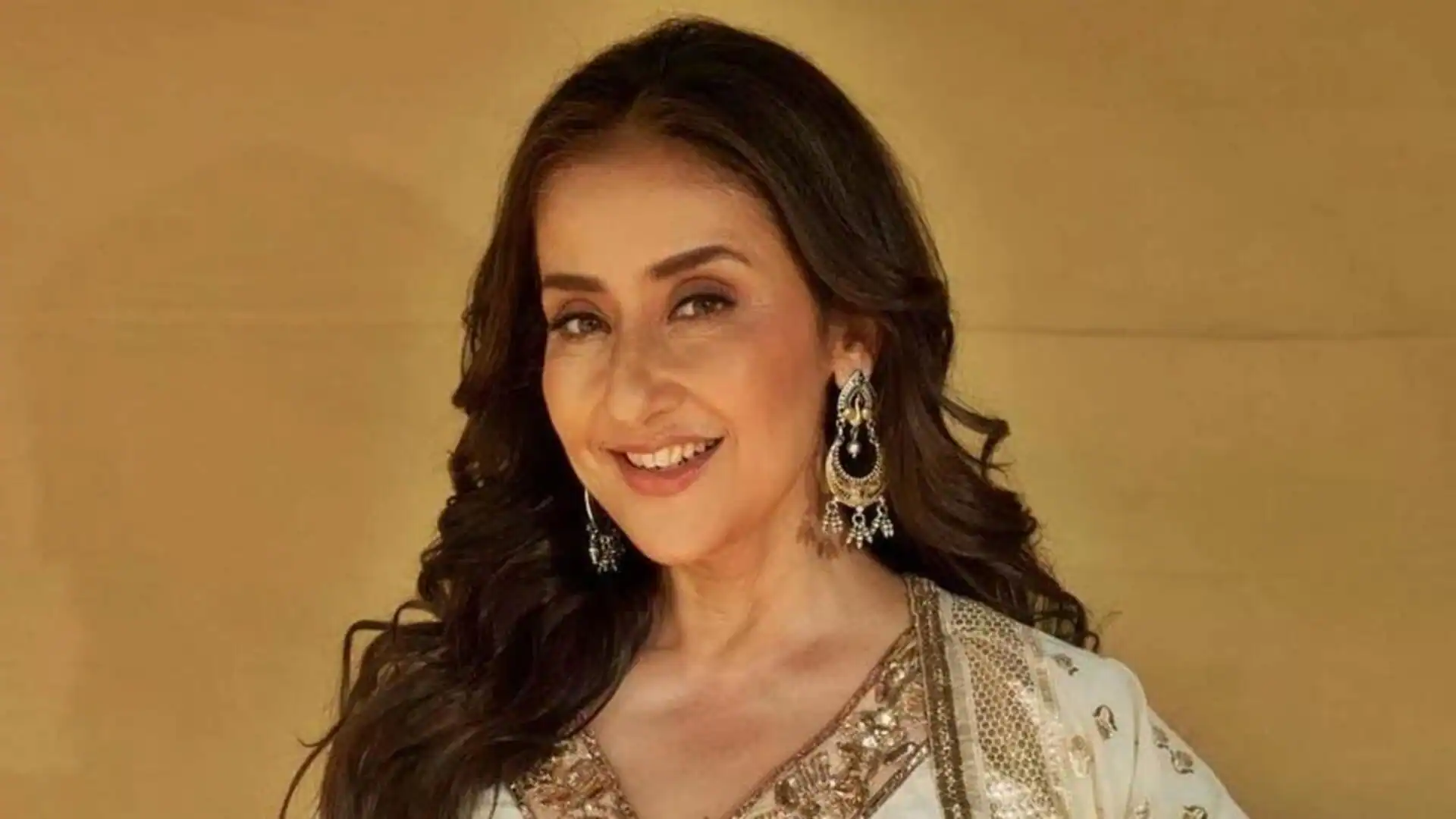
On September 8, 2025, Bollywood veteran Manisha Koirala unleashed a scathing reaction to the deadly protests erupting in Kathmandu and Pokhara, Nepal, triggered by the government’s abrupt social media ban imposed on September 5. The actress, known for her Nepali roots and films like 1942: A Love Story, condemned the move on Instagram, calling it a “draconian assault on free speech” amid clashes that left five dead and 200 injured. Koirala’s post, viewed by millions, urged the Nepali government to lift the ban, highlighting how the crackdown—enforced via internet shutdowns and arrests—escalated peaceful demonstrations into violence.
The Spark: Nepal’s Social Media Crackdown
The ban, justified by authorities as a response to “misinformation” during political unrest, blocked platforms like Facebook, Instagram, and TikTok, affecting 15 million users. Protests, led by youth and activists from the Nepali Congress and UML parties, began as sit-ins but turned chaotic when police used tear gas and batons, resulting in fatalities in Kathmandu’s Durbar Square. Koirala, who hails from a prominent Nepali family—her father is a former minister—shared a video of the clashes, writing, “My heart breaks seeing my homeland in turmoil. Social media isn’t the enemy; silencing voices is. #FreeNepal.” Her words amplified global attention, with fans on X echoing her call for democracy.
Koirala’s Personal Stake and Emotional Plea
Manisha’s reaction stems from deep ties to Nepal, where she grew up and often advocates for women’s rights and environmental causes. In an Instagram Live on September 9, she tearfully recounted her own experiences with censorship during Nepal’s 1990 democracy movement, saying, “I was a teenager then, and today, seeing history repeat itself fills me with rage and sorrow.” Her post garnered 2 million likes, drawing support from Bollywood peers like Aishwarya Rai and Nepali stars like Priyanka Karki, who joined protests in Kathmandu. Koirala also donated ₹10 lakh to relief efforts, emphasizing, “Unity, not division, is Nepal’s strength.”
Broader Implications and Backlash
The protests, now in their fifth day, have paralyzed Kathmandu, with demands for the ban’s repeal and PM Pushpa Kamal Dahal’s resignation. Critics argue the shutdown, reminiscent of India’s 2020 Kashmir blackout, stifles dissent amid economic woes like 8% inflation. Koirala’s outspokenness has faced backlash from pro-government voices on X, accusing her of “foreign interference,” but she stood firm: “As a Nepali, I have every right to speak.” Her advocacy aligns with India’s ₹101 billion entertainment sector’s growing role in activism, where stars like her bridge borders.
A Call for Change
Koirala’s strong stance not only highlights Nepal’s crisis but also questions digital freedoms in South Asia. As protests rage, her voice—a blend of Bollywood stardom and Nepali pride—could catalyze dialogue. In a region of 780 languages and shared histories, will her plea lead to reform or deepen divides? Nepal’s youth, much like Koirala’s generation, demand answers, proving that one voice can echo across mountains.
-By Manoj H