


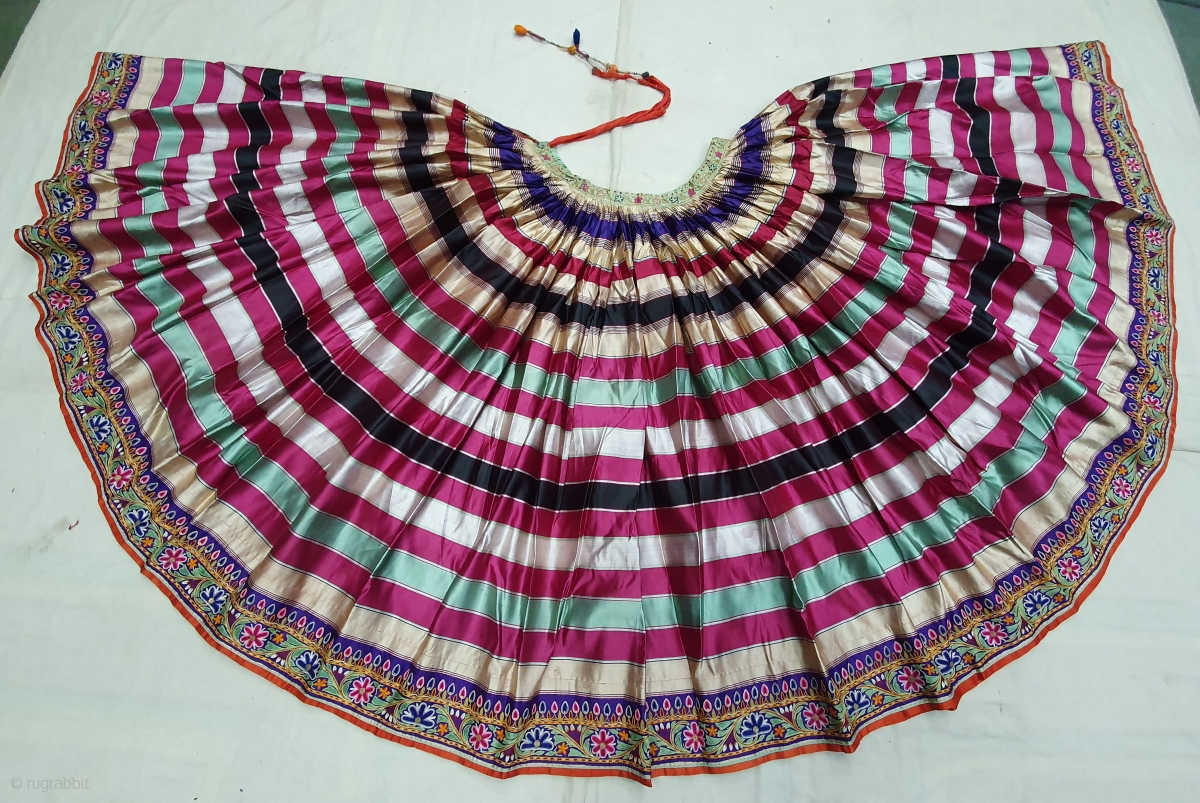
Nestled in the heart of Gujarat’s Kutch region lies an ancient textile treasure known as Mashru—a fabric that is not only rich in texture but also steeped in cultural, religious, and artistic significance. Meaning “permitted” in Arabic, Mashru was born out of a need to align faith with fashion, creating a unique blend of silk and cotton that has stood the test of time.
In This Article:
- What Is Mashru Fabric?
- The Kutch Connection
- Why Mashru Deserves Global Attention
- Mashru in the Contemporary Fashion Scene
- Final Thoughts
What Is Mashru Fabric?
Mashru is a handwoven textile traditionally made using a blend of silk on the outer side and cotton on the inside. This allowed Muslim men, who were prohibited from wearing pure silk according to religious teachings, to wear silk garments that did not touch their skin.
- Silk warps (vertical threads) give Mashru its rich, glossy surface.
- Cotton wefts (horizontal threads) make it breathable and comfortable for the wearer.
- The fabric is woven using a satin weave, which gives it its distinctive sheen and vibrant colour play.
The Kutch Connection
Although Mashru weaving was once widespread in parts of India such as Varanasi and South India, Kutch in Gujarat has preserved the most authentic and vibrant forms of this textile tradition. Villages like Mandvi and Mundra remain important centers for Mashru production.
Local weavers, known as Vankars, have passed this art down through generations. Each piece is woven on traditional pit looms, often using natural dyes and time-tested techniques.
Why Mashru Deserves Global Attention
In a world chasing fast fashion, Mashru offers a compelling alternative:
- Sustainable Craftsmanship: Handwoven and often naturally dyed.
- Cultural Symbolism: Represents harmony between religion and art.
- Modern Revival: Designers are incorporating Mashru in jackets, sarees, cushions, and accessories.
- Economic Empowerment: Supports rural artisans and preserves traditional skills.
Mashru in the Contemporary Fashion Scene
Thanks to conscious fashion movements, Mashru is experiencing a quiet but steady revival. Contemporary Indian designers like Gaurang Shah and Payal Khandwala have integrated Mashru into their collections, blending age-old techniques with modern silhouettes.
Boutiques and exhibitions across India and abroad are beginning to showcase Mashru for its timeless aesthetic and ethical appeal.
Final Thoughts
Mashru is more than just a fabric—it is a living story of faith, adaptation, and craftsmanship. As we move toward more meaningful consumption, reviving and supporting heritage crafts like Mashru isn’t just a fashion statement—it’s a cultural responsibility.
By – Nikita