


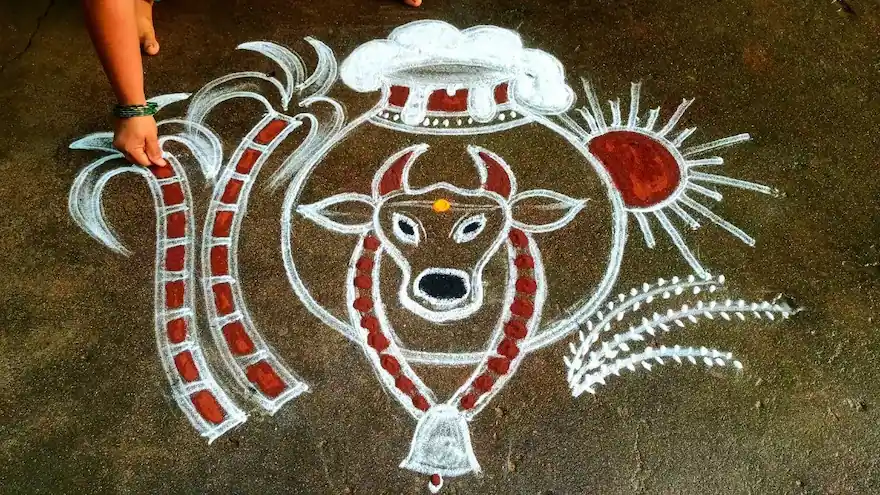
Mattu Pongal, the third day of Tamil Nadu’s four-day Pongal harvest festival, was observed on January 15, 2026, with communities across the state paying tribute to cattle—the backbone of agrarian life and a living symbol of prosperity. From village cattle sheds to neighbourhood streets, the day unfolded as a vibrant blend of tradition, colour and collective thanksgiving.
Where Mattu Pongal Fits in the Pongal Calendar
Mattu Pongal is traditionally celebrated after Bhogi and Thai Pongal. While Bhogi marks renewal and the discarding of the old, Thai Pongal focuses on gratitude to the Sun God for a bountiful harvest. Mattu Pongal shifts the spotlight to bovines—cows, bulls and oxen—honouring their role in ploughing fields, drawing carts and sustaining rural livelihoods.
Morning Rituals: Bath, Blessings and Beautiful Adornments
Across Tamil Nadu’s towns and villages, the day began early with festive preparations around cattle sheds. Families bathed their animals and decorated them with garlands, bells, turmeric marks and painted horns—a visual expression of reverence for the animals’ strength and service through the agricultural season.
These adornments are not merely ornamental. They are symbolic—an everyday relationship between farmer and cattle elevated into a public moment of gratitude.
Puja and Offerings: Reverence in Everyday Tradition
At the heart of the celebrations were rituals that blend spiritual devotion with rural customs. Many families performed small pujas seeking blessings for the health and well-being of their cattle. Offerings commonly included sakkarai pongal (sweet rice cooked with jaggery and milk), along with sugarcane, bananas and other harvest produce—shared with the divine and also given directly to the animals as a mark of respect.
Kolam Culture: Auspicious Art at Homes and Cattle Sheds
A striking feature of Mattu Pongal mornings is the making of kolam (rangoli) at the entrances of homes and near cattle sheds. These rice-flour designs are both decorative and symbolic—signalling auspiciousness, welcoming positivity, and reflecting the festival’s theme of harmony between people, animals and nature.
Community Spirit: Food, Fellowship and Shared Wishes
Beyond rituals, Mattu Pongal is also a day of community warmth. Neighbours visit each other, share meals and exchange greetings that echo the season’s spirit—goodwill, rural pride and respect for nature’s gifts. In many places, the celebrations extend from family spaces into shared community life, keeping the festival rooted in togetherness.
Celebrations Beyond the Puja
In several rural pockets, traditions go beyond decoration and prayer. Some communities organise bullock cart races and traditional games that highlight the strength and agility of bulls, while folk music and informal gatherings add to the festive atmosphere. The day, in many ways, becomes a living showcase of agrarian culture—where gratitude is expressed through both ritual and celebration.
Tradition Meets Today: A Reminder of Sustainable Living
Cultural observers often note that Mattu Pongal is more than ceremonial homage to livestock. It is also a reminder of the symbiotic relationship between humans and the environment—a connection modern life can sometimes weaken. The festival foregrounds ideas of sustainable living, mutual respect among species, and recognition of the toil behind every harvest—human and animal alike.
Looking Ahead: Kannum Pongal Next
With Mattu Pongal observed, Tamil households now prepare for Kannum Pongal, the fourth and final day of the festival. Traditionally associated with family gatherings, social outings and shared meals, it serves as a warm closing to the harvest celebrations.
By – Sonali