


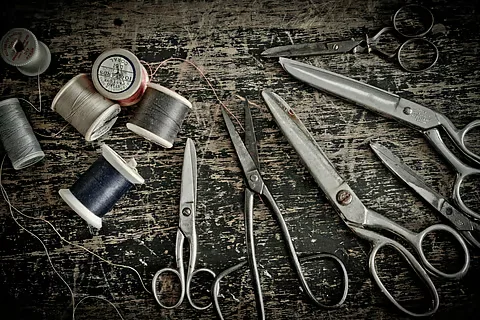
In the heart of Uttar Pradesh lies the city of Meerut, a place known not only for its role in India’s independence struggle but also for a lesser-known treasure—its hand-forged scissors. For over 350 years, the people of Meerut have crafted high-quality, durable scissors that are trusted by tailors, artisans, and households across the globe. These are not just ordinary tools; they are a symbol of heritage, precision, and timeless craftsmanship.
In This Article:
The Origin of the Craft
The tradition of scissor-making in Meerut dates back to the 17th century during the Mughal era. According to local legends, blacksmiths who once made weapons for Mughal soldiers turned their skills toward crafting tools for everyday use. Over time, the scissors became the city’s identity—leading to Meerut being affectionately called the “City of Scissors.”
How Meerut Scissors Are Made
What sets Meerut scissors apart is the completely handmade process that involves around 14 detailed steps and nearly 22 pairs of hands for a single pair of scissors. The process includes:
1. Recycling Steel
Old railway tracks, vehicle parts, and industrial scrap are repurposed to create high-carbon steel blades—making this a sustainable and eco-friendly practice.
2. Forging and Shaping
The steel is heated in coal-fired furnaces and beaten into shape by skilled craftsmen using traditional hammers and anvils.
3. Blade Hardening
The blades are then heat-treated and hardened to maintain a razor-sharp edge and long-lasting durability.
4. Attaching Brass Handles
The handles, often made of brass or iron, are cast separately and riveted firmly to the blades.
5. Grinding and Sharpening
This is a precise stage where blades are sharpened using traditional stone wheels and testing methods unique to Meerut artisans.
Varieties and Applications
Meerut scissors come in a wide range of sizes and purposes:
- Tailor scissors (often 10–14 inches)
- Embroidery scissors
- Industrial cutting scissors
- Multipurpose kitchen scissors
- Customized engraving scissors
Known for their strong grip, clean cuts, and smooth operation, these scissors are widely used in tailoring shops, schools, industries, homes, and by artists across India and abroad.
Meerut’s GI Tag Recognition
In 2013, Meerut Scissors received the Geographical Indication (GI) tag, a testament to their distinct origin and traditional value. This official recognition has helped bring global attention to the humble but iconic product, promoting the local economy and protecting artisan rights.
Challenges in a Changing World
Despite their reputation, the Meerut scissor industry faces stiff competition from cheap, mass-produced imports, especially from countries like China. These machine-made scissors are often priced lower but lack the longevity and precision of handmade ones. In response, local producers are:
- Adopting online marketplaces to reach new customers
- Participating in trade expos and craft fairs
- Working with NGOs and government schemes to modernize production tools
- Promoting “Make in India” craftsmanship to revive demand
Where to Buy Meerut Scissors
Today, Meerut scissors are available both offline in local Meerut bazaars like Sadar Bazaar and Sharda Road, and online through e-commerce platforms like Amazon, Flipkart, and handicraft-specific websites. Several popular brands like Shalimar Scissors, Unikkus, and HandyCut continue to uphold the city’s legacy with their high-grade offerings.
Moving Forward
Meerut’s scissors are not just tools; they are a story of skill, tradition, and perseverance. Each pair reflects centuries of craftsmanship passed down through generations. As the world rediscovers the value of handmade, sustainable products, Meerut’s handmade scissors shine as a perfect example of India’s rich artisanal heritage.
By – Nikita
Also Read – Banaras Tabla: A Deep Dive into the Banaras Gharana of Indian Classical Music