


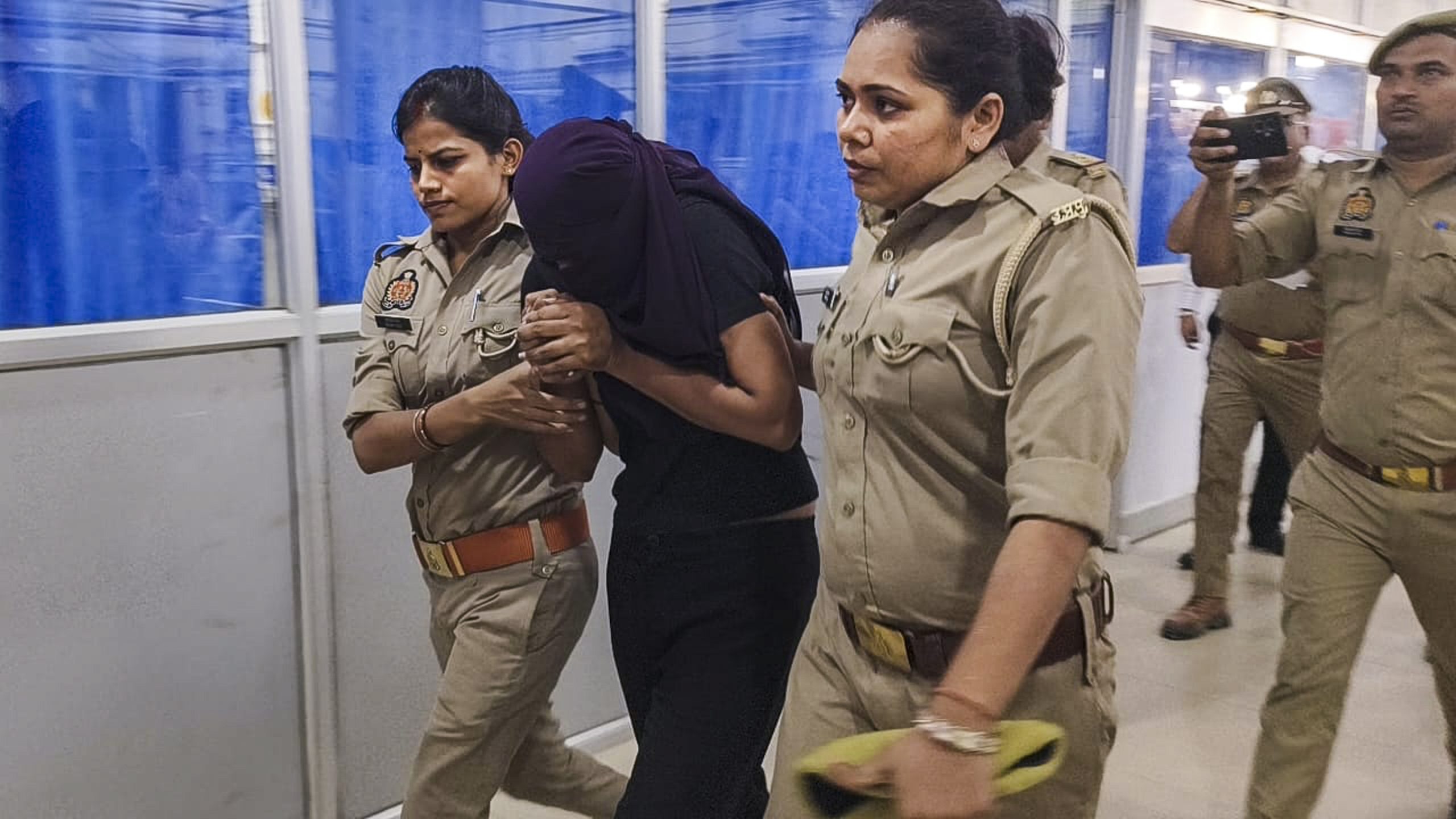
Raja Raghuvanshi, an Indore businessman, was brutally murdered during his honeymoon in Meghalaya, allegedly by his wife, Sonam Raghuvanshi, and her accomplices. The case has sparked debates about increasing cruelty against men, highlighting the need for gender-neutral laws to address such crimes.
In This Article:
The murder occurred in the Sohra region of Meghalaya’s East Khasi Hills, with arrests made in Uttar Pradesh and Madhya Pradesh. Raja’s body was found on June 2, 2025, with Sonam’s arrest and accomplices’ confessions reported on June 9, 2025. Sonam allegedly hired men to kill Raja, driven by an extramarital affair, prompting discussions on whether existing laws adequately protect men from domestic violence and betrayal.
The Meghalaya Murder Case: A Shocking Betrayal
The murder of Raja Raghuvanshi, a 28-year-old Indore businessman, during his honeymoon in Meghalaya has sent shockwaves across India. Married to Sonam Raghuvanshi on May 11, 2025, the couple embarked on their honeymoon on May 20, initially planning for Kashmir but switching to Meghalaya due to security concerns. On May 23, they went missing in the Sohra area.
On June 2, Raja’s body was discovered in a gorge near Weisawdong Falls, bearing machete wounds to the head. Sonam, initially reported missing, surrendered on June 8 at Nandganj police station in Ghazipur, Uttar Pradesh, after contacting her family from a dhaba. Meghalaya Police arrested three accomplices—Vishal Chauhan, Anand Kumri, and Akash Rajput—revealing a murder-for-hire plot orchestrated by Sonam and her alleged lover, Raj Kushwaha, who was also detained. Police sources claim Sonam offered ₹4 lakh, later raised to ₹20 lakh, to execute the murder, motivated by her affair with Kushwaha, an employee at her father’s plywood factory.
Rising Cruelty Against Men: A Growing Concern
The Meghalaya case has reignited discussions about cruelty against men, often overshadowed by the focus on violence against women. Raja’s sister expressed anguish, stating, “You could have eloped if you liked someone else. Why kill him?” Posts on X reflect public sentiment questioning, “Since when did killing a partner become easier than refusing to marry or divorcing?”
This case joins a disturbing trend of spousal betrayal, such as the 2023 Bengaluru case where a wife allegedly poisoned her husband over an affair. Men’s rights activists argue that cases like Raja’s highlight a gap in legal protections, as laws like Section 498A of the Indian Penal Code (IPC), which criminalizes cruelty against women by husbands or relatives, lack a gender-neutral equivalent. A 2012 National Crime Records Bureau report noted 5.9 per 100,000 cases of domestic cruelty against women, but no comparable data exists for men, underscoring the issue’s underreporting.
Legal Landscape and the Call for Reform
India’s domestic violence laws, including the Protection of Women from Domestic Violence Act 2005 (PWDVA) and IPC Section 498A, are designed to protect women, leaving men vulnerable to abuse without legal recourse. Men’s rights groups, like the Save the Family Foundation, argue that Section 498A is misused, though a 2012 government study found no disproportionate misuse compared to other laws.
The Supreme Court’s 2017 directive to refer 498A complaints to Family Welfare Committees before arrests reflects concerns about false cases, yet no parallel law addresses men as victims. The Meghalaya case, where Raja’s mother, Uma, questioned Sonam’s unscathed appearance post-incident, highlights the need for laws recognizing men’s vulnerability to premeditated violence. Activists advocate for gender-neutral laws to cover physical, emotional, and financial abuse against men, citing cases like Raja’s as evidence of escalating cruelty.
Should There Be Laws for Men’s Protection?
The argument for gender-neutral laws is compelling. Men face domestic violence, including physical assault, emotional manipulation, and, as in Raja’s case, extreme betrayal, yet societal stigma often silences male victims. A 2014 Lancet study noted that India’s large population amplifies the scale of violence against both genders, with men lacking legal avenues to seek justice.
Proponents of reform suggest amending the PWDVA to include men or introducing a new law addressing domestic cruelty universally. However, critics argue that women face disproportionately higher rates of violence (33.5% lifetime prevalence for women vs. underreported male cases), and expanding laws could dilute protections for women. A balanced approach, as seen in Meghalaya’s High Court rulings on adolescent consent, could involve judicial flexibility to recognize men’s victimization without undermining existing safeguards.
The Meghalaya murder case exposes a dark facet of spousal betrayal, with Raja Raghuvanshi’s killing underscoring the rising cruelty against men. While Sonam’s alleged plot with hired killers has shocked the nation, it also raises critical questions about legal protections for men. Gender-neutral laws could address this gap, ensuring justice for all victims of domestic violence, but implementation must balance societal realities. As investigations continue, Raja’s tragedy serves as a call for introspection and reform to prevent such horrors.
By- Manoj