


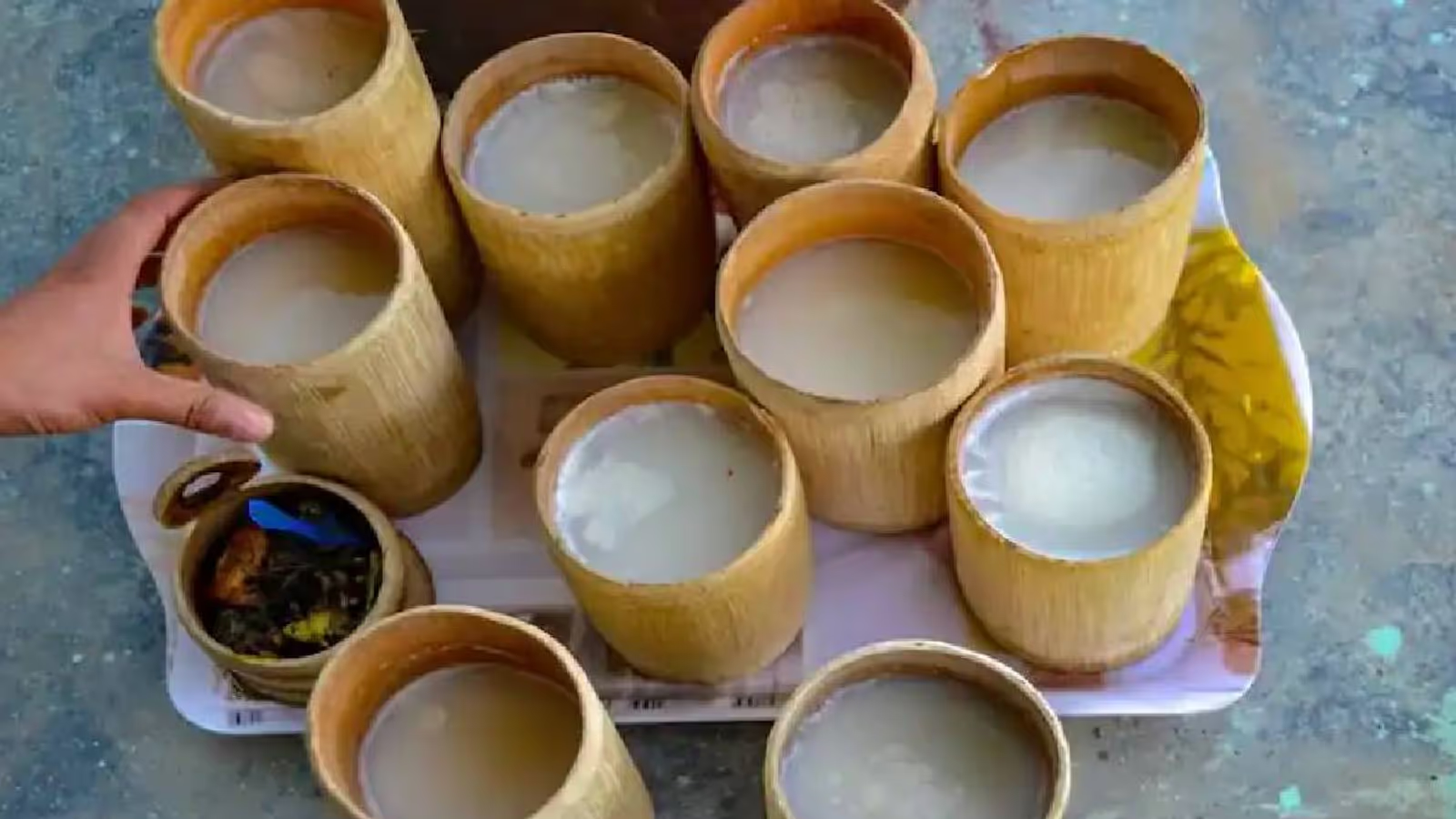
In Meghalaya’s Garo Hills, chubitchi isn’t just a drink—it’s a living tradition. Served at festivals, family milestones and community gatherings, the fermented rice brew has long functioned as a social glue in Garo life. Now, with formal recognition through a Geographical Indication (GI), chubitchi is stepping into a new phase—where heritage and livelihood can move together.
What is Chubitchi?
Chubitchi (also known locally as “bitchi”) is a traditional fermented rice beverage of the Garo community. It is closely tied to everyday food culture and is especially significant during ceremonies and seasonal celebrations.
A small but telling cultural detail:
- Chubitchi refers to the undiluted beverage
- Chubok is the version diluted with water
More than a brew: a ritual and community symbol
Among the Garos, the drink appears repeatedly in community life—especially during Wangala (the harvest festival) and other ceremonies. Traditional accounts also note offerings linked to faith practices around the festival cycle.
From kitchen pots to bottles: a new wave of local enterprise
What’s changing in 2026 is not the soul of chubitchi—but the ambition around it. Reports from Meghalaya show young entrepreneurs attempting to package and promote chubitchi/bitchi, trying to expand reach while keeping the cultural story intact.
If done responsibly—with community participation and benefit-sharing—this shift could turn a heritage brew into a community-led livelihood stream, instead of a trend that extracts value without returning it.
Why chubitchi matters right now
In an era of fast content and imported labels, chubitchi’s resurgence signals something deeper: identity that survives modernity. A GI tag, new branding experiments, and renewed cultural pride are all pointing to the same idea—Meghalaya’s local knowledge isn’t “old”; it’s alive, and ready to be respected on its own terms.
Note: This story documents a traditional alcoholic beverage. Please consume responsibly and avoid alcohol where legally restricted or medically advised.
By – Sonali